Introduction
Organizations that rely on business-to-business (B2B) sales often face a recurring operational challenge: identifying and reaching the right decision-makers within a large and constantly changing corporate landscape. Contact details shift, companies restructure, and regulations around data privacy evolve regularly. As a result, sales teams, recruiters, and marketing departments must continuously update their prospecting databases to remain effective.
Historically, businesses relied on manually built contact lists, trade events, and public directories to discover potential customers. These methods were time-consuming and frequently produced incomplete or outdated information. With the expansion of digital communication and global markets, the need for reliable data sources and automated prospecting tools increased significantly.
This demand contributed to the emergence of sales intelligence platforms—software systems designed to provide verified company information, professional contact details, and behavioral insights. Such platforms aim to help organizations identify relevant prospects more efficiently while supporting regulatory compliance and data management.
Cognism operates within this category. The platform focuses on providing B2B contact data, company intelligence, and workflow integrations intended to support prospecting activities. Understanding how tools like Cognism function can help organizations evaluate whether sales intelligence technology fits their operational needs.
Visit Cognism Official Website
What Is Cognism?
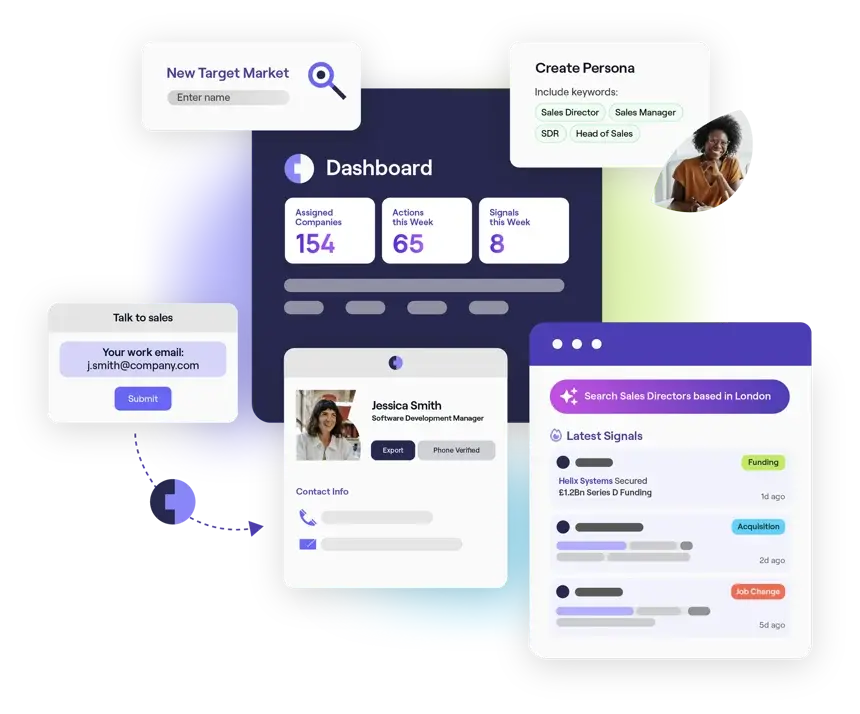
Cognism is a B2B sales intelligence and prospecting platform designed to help organizations locate business contacts and company information for outreach and market research purposes. The software aggregates and organizes professional data such as company profiles, job roles, verified email addresses, and phone numbers.
In practical terms, Cognism functions as a data discovery and enrichment system that integrates with existing sales workflows. The platform typically connects with customer relationship management (CRM) systems, sales engagement tools, and browser environments used by business development teams.
Within the broader software ecosystem, Cognism is commonly categorized under several related technology segments:
- B2B sales intelligence software
- Lead generation platforms
- Data enrichment tools
- Account-based marketing (ABM) support tools
- Contact database platforms
The platform collects data from multiple sources and applies verification processes to maintain accuracy. In addition to contact discovery, Cognism includes features designed to help users filter companies by industry, geography, company size, or other attributes.
The system is frequently used by sales operations teams, recruiters, and marketing professionals who require structured access to business contact information.
Key Features Explained
1. B2B Contact Data Database
A central component of Cognism is its global contact database, which stores information about companies and professionals across different industries and regions. Users can search this database to identify potential prospects.
Typical data points available in such systems may include:
- Professional names and job titles
- Company names and industry categories
- Corporate phone numbers
- Verified email addresses
- Company headquarters location
- Employee headcount ranges
- Technology usage indicators
This structured dataset allows users to locate individuals within target organizations who may hold relevant decision-making roles.
2. Advanced Prospect Filtering
Cognism includes search filters that help narrow down prospect lists according to specific business criteria. These filters enable users to define attributes such as:
- Company size or revenue bracket
- Geographic region or country
- Job department or seniority level
- Industry classification
- Technology stack or digital infrastructure
The filtering system supports targeted prospecting strategies, particularly within account-based marketing programs where precision targeting is often required.
3. Data Enrichment Capabilities
Another notable feature is data enrichment, which involves supplementing existing contact records with additional information. Businesses that already maintain internal CRM databases can enhance incomplete records by importing missing details from Cognism’s dataset.
Enrichment processes typically add fields such as:
- Updated phone numbers
- Professional email addresses
- Linked company profiles
- Organizational hierarchy information
This process helps maintain database completeness and can reduce manual data maintenance.
4. Compliance and Data Governance Support
Because contact data usage is closely regulated in many regions, sales intelligence platforms increasingly include data compliance frameworks. Cognism incorporates compliance-oriented features designed to align with privacy regulations such as the General Data Protection Regulation (GDPR).
Compliance functionality may include:
- Data verification processes
- Suppression lists for restricted contacts
- Transparent sourcing methods
- Regulatory documentation support
These measures aim to help organizations manage outreach activities within established legal guidelines.
5. CRM and Workflow Integrations
Cognism is designed to integrate with commonly used business systems. Integrations allow prospect data to flow between the platform and existing software environments such as:
- Customer relationship management (CRM) systems
- Sales engagement platforms
- recruitment management tools
- marketing automation software
Integration capabilities reduce the need for manual data transfers and support more streamlined workflows.
6. Browser-Based Prospecting Tools
Many sales intelligence tools provide browser extensions that allow users to capture prospect data directly while browsing professional networking sites or company pages. Cognism offers similar functionality, enabling users to extract relevant business contact details without leaving their browsing environment.
This approach can simplify prospect identification during online research.
Common Use Cases
Sales Prospecting
One of the most frequent applications of Cognism involves B2B sales prospecting. Sales representatives use the platform to locate professionals within organizations that match predefined targeting criteria.
For example, a technology company selling enterprise software may search for:
- IT directors
- Chief information officers
- procurement managers
The ability to locate these roles within companies can assist in building structured prospect lists.
Account-Based Marketing (ABM)
Account-based marketing strategies focus on engaging specific companies rather than broad audiences. Cognism’s company data and contact discovery tools can assist marketing teams in identifying individuals within targeted organizations.
By mapping contacts within key accounts, marketing teams can coordinate outreach campaigns that involve multiple stakeholders.
Recruitment and Talent Sourcing
Recruiters may use sales intelligence databases to locate professionals who possess specific job titles or experience levels. While dedicated recruitment tools exist, B2B contact platforms sometimes supplement sourcing efforts when identifying potential candidates within specific companies or industries.
Market Research
Business analysts and market researchers occasionally use company databases to better understand industry landscapes. Data on company size, sector distribution, and geographic presence can support research projects or competitive analysis.
CRM Data Maintenance
Maintaining accurate CRM records can be difficult as companies grow. Cognism’s data enrichment tools may help organizations update outdated records and fill in missing information.
Potential Advantages
Centralized Business Contact Information
Sales intelligence tools aim to consolidate large volumes of professional contact information into a searchable system. This centralized structure reduces the need to gather data manually from multiple directories or public records.
Improved Prospect Identification
Filtering capabilities allow users to narrow prospect lists according to precise business criteria. This can help organizations identify contacts that align more closely with their target market definitions.
Time Efficiency in Data Collection
Automated prospect discovery and enrichment processes can reduce the time required to locate contact details. Teams that previously spent hours compiling manual lists may find automated databases more efficient.
Workflow Integration
The ability to connect prospect data directly to CRM or outreach tools can support operational continuity. Instead of copying data between systems, users can move records directly into existing sales pipelines.
Compliance Awareness
Data privacy regulations have significantly influenced the design of modern contact databases. Platforms that incorporate compliance frameworks may help organizations manage outreach in a more structured manner.
Limitations & Considerations
Data Accuracy Variability
No contact database can guarantee complete accuracy. Job roles change frequently, companies restructure, and individuals switch employers. As a result, organizations using sales intelligence platforms may still need to verify data periodically.
Dependence on Data Coverage
The usefulness of any sales intelligence platform depends partly on the geographic and industry coverage of its dataset. Some platforms may provide stronger coverage in specific regions or sectors.
Organizations operating in niche industries may find that database coverage varies.
Regulatory Sensitivity
Because contact information relates to identifiable individuals, organizations must ensure their usage aligns with relevant privacy regulations. Even when platforms incorporate compliance features, businesses remain responsible for how they use the data.
Cost Considerations
Sales intelligence platforms typically operate on subscription models. Smaller organizations may need to evaluate whether the operational benefits justify the financial investment.
Integration Complexity
While integrations exist, implementing them within complex technology stacks may require technical configuration. Companies with heavily customized CRM environments may need additional setup.
Who Should Consider Cognism
Cognism may be relevant for organizations whose operations rely heavily on B2B prospect discovery and contact data. This includes:
B2B Sales Teams
Companies with outbound sales strategies often require reliable prospect databases. Sales development representatives (SDRs) and account executives may use such tools to build targeted outreach lists.
Marketing Departments Running ABM Programs
Account-based marketing initiatives require detailed knowledge of stakeholders within target companies. A structured database can support this process.
Recruitment Professionals
Recruiters seeking to identify professionals within specific companies or industries may find value in business contact databases as supplementary research tools.
Sales Operations and Data Teams
Organizations responsible for maintaining CRM accuracy may use enrichment tools to update incomplete or outdated records.
Who May Want to Avoid It
Sales intelligence platforms are not universally necessary. Certain organizations may find limited value depending on their business model.
Companies Focused on Consumer Markets
Businesses that primarily sell directly to consumers rather than other companies typically have little need for B2B contact databases.
Organizations With Inbound-Only Sales Models
Some businesses rely entirely on inbound marketing, customer referrals, or organic discovery. In these cases, prospecting databases may play a smaller role.
Small Businesses With Limited Outreach Volume
Organizations conducting minimal outbound outreach may not require a large prospecting platform.
Highly Regulated Industries With Strict Data Constraints
Certain sectors have particularly restrictive rules regarding the use of external contact data. Organizations in such environments may need to carefully evaluate compliance implications.
Comparison With Similar Tools
Cognism exists within a competitive ecosystem of B2B data and sales intelligence platforms. Several other tools offer comparable capabilities, though they may differ in areas such as dataset size, geographic focus, or feature sets.
Common points of comparison typically include:
Database Coverage
Some platforms emphasize larger global contact databases, while others concentrate on specific markets such as North America or Europe.
Data Verification Methods
Different providers apply varying approaches to verifying contact details. Verification frequency and sourcing transparency can influence perceived data quality.
Compliance Frameworks
Privacy regulations continue to shape the sales intelligence industry. Platforms may differ in how they manage consent tracking, suppression lists, and regulatory documentation.
Integration Ecosystems
Some tools integrate more extensively with CRM systems, marketing automation platforms, and sales engagement software.
Pricing Structures
Subscription models can vary significantly based on features, database access levels, and user licenses.
Organizations evaluating Cognism often compare these elements to determine how the platform aligns with their operational needs.
Final Educational Summary
Sales intelligence platforms have become an important component of modern B2B outreach strategies. As organizations expand into new markets and industries, locating relevant decision-makers can require structured access to reliable company and contact data.
Cognism operates as a platform within this category, offering a database of business contacts alongside filtering tools, enrichment features, and integrations designed to support prospecting workflows. Its functionality focuses primarily on enabling organizations to identify potential business contacts and maintain structured customer data.
Like many software solutions in the sales intelligence sector, Cognism offers potential efficiencies in prospect discovery and data organization. At the same time, users must consider factors such as data accuracy, regulatory compliance, integration requirements, and operational fit.
Understanding how these platforms function allows organizations to evaluate whether sales intelligence tools align with their broader sales, marketing, or recruitment processes.
Disclosure
Disclosure: This article is for educational and informational purposes only. Some links on this website may be affiliate links, but this does not influence our editorial content or evaluations.