Introduction
Businesses that rely on outbound communication—such as cold email, LinkedIn outreach, or follow-up sequences—often face operational challenges. Manually tracking conversations, scheduling follow-ups, and personalizing communication at scale can become time-consuming and inconsistent.
To address this, a category of tools known as sales engagement platforms or outreach automation tools has developed. These tools are designed to help users structure, automate, and monitor outbound communication workflows across multiple channels.
What Is Lemlist?
Lemlist is a cloud-based sales engagement and outreach automation platform. It is primarily used by:
- Sales development representatives (SDRs)
- Business founders
- Marketing teams
- Agencies conducting outreach for clients
The platform is designed to support structured outreach campaigns across multiple communication channels, including email and LinkedIn. Tools in this category typically allow users to:
Visit Lemlist Official Website
- Import or discover contact data
- Create automated message sequences
- Personalize communication at scale
- Track engagement metrics such as opens and replies
Lemlist combines these functions within a centralized dashboard environment.
Key Features Explained
Below is an objective explanation of core feature categories.
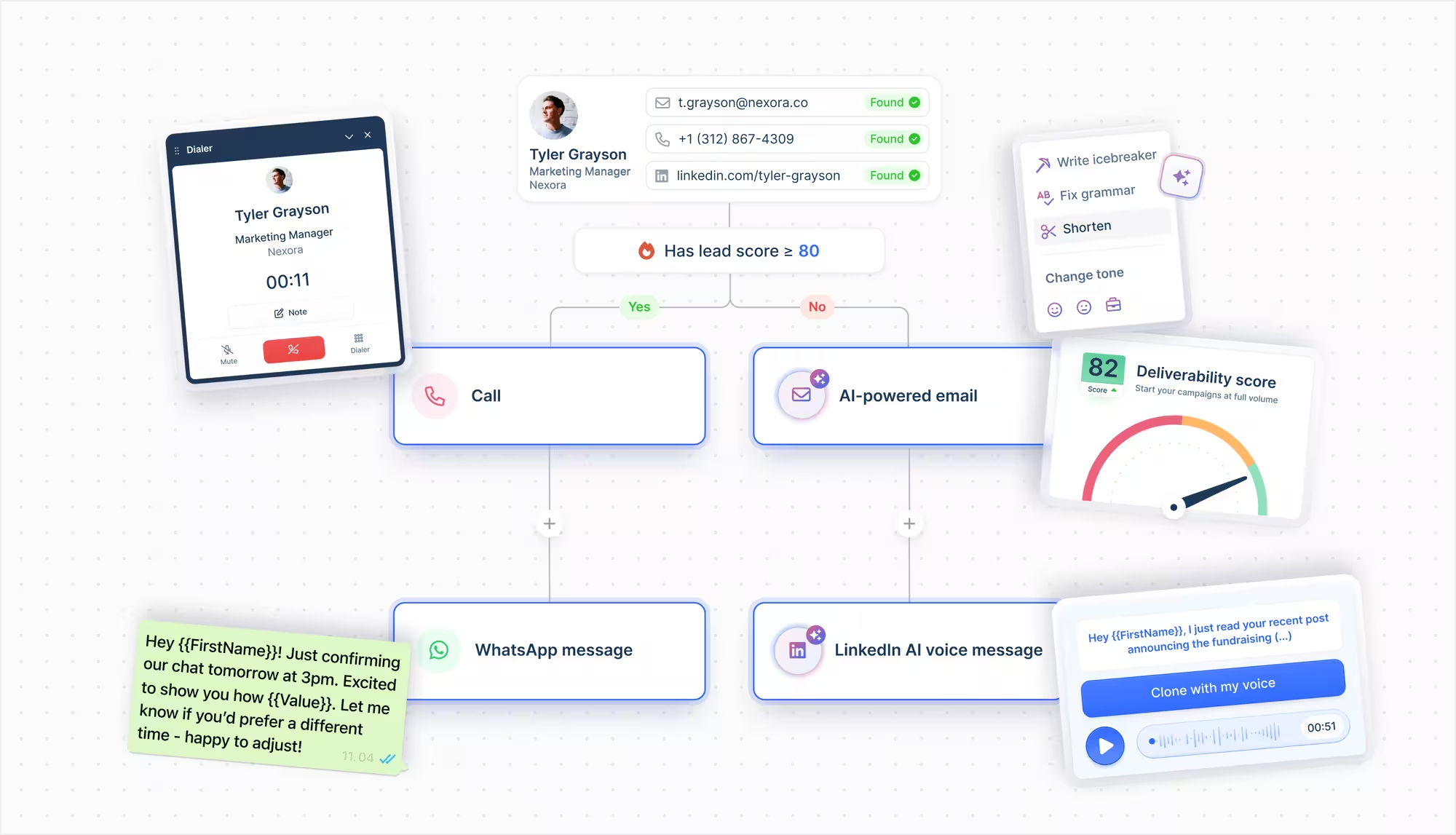
1. Multichannel Outreach Sequences
Users can build step-by-step communication workflows that include:
- Email messages
- LinkedIn connection steps
- Follow-up reminders
- Call tasks
Sequences are time-based or trigger-based, meaning actions occur automatically after a delay or user-defined condition.
2. Personalization Tools
The platform supports variable insertion (such as name, company, role) within message templates. Some features also allow dynamic content elements to make outreach appear individualized.
This function is designed to reduce repetitive manual editing.
3. Email Deliverability Tools
Lemlist includes features intended to support sender reputation management, such as:
- Email warm-up workflows
- Monitoring of sending behavior
- Deliverability-related insights
These features are common in modern outreach platforms due to increasing spam filtering standards.
4. Lead Discovery and Enrichment
The platform includes contact discovery capabilities and email verification tools. This allows users to:
- Search for business contacts
- Verify email validity
- Enrich records with additional data
This functionality overlaps with standalone lead database providers.
5. Integrations
Lemlist integrates with selected CRM systems and workflow tools. Integration depth varies depending on the connected platform.
Common Use Cases
Lemlist is typically used in the following scenarios:
- Structured cold outreach campaigns
- Automated follow-up after initial contact
- Multichannel prospect engagement (email + LinkedIn)
- Agency-based outreach for multiple client accounts
- Deliverability testing before scaling campaigns
It is generally applied in B2B contexts rather than consumer marketing.
Potential Advantages
The following are potential advantages, depending on the user’s needs:
- Centralized management of multichannel outreach
- Automation of repetitive follow-up steps
- Built-in email verification and warm-up tools
- Ability to personalize templates at scale
- Dashboard-based performance tracking
These benefits are typical of sales engagement platforms and may improve operational efficiency when used appropriately.
Limitations & Considerations
This section is critical when evaluating suitability.
1. Learning Curve
Advanced automation logic and personalization setups may require time to understand. New users may need onboarding time before full implementation.
2. Pricing Structure
Plans are generally structured per user. As teams scale, total cost increases proportionally. Organizations should evaluate whether this model aligns with their team size.
3. Deliverability Is Not Guaranteed
Although warm-up tools are provided, email deliverability depends on multiple external factors, including domain reputation and content quality. No platform can fully control inbox placement.
4. Feature Depth vs. Enterprise Platforms
Compared with larger enterprise tools such as Outreach or Salesloft, Lemlist may offer fewer enterprise-level analytics or workflow customizations.
5. CRM Dependency
Users with highly customized CRM requirements may find integration capabilities limited depending on their existing infrastructure.
Who Should Consider lemlist
Lemlist may be suitable for:
- Small to mid-sized sales teams
- Agencies managing outbound campaigns
- Founders conducting structured B2B outreach
- Teams seeking a combined lead + outreach workflow
It may be particularly relevant where email and LinkedIn outreach are primary channels.
Who May Want to Avoid It
It may be less appropriate for:
- Organizations requiring highly advanced enterprise analytics
- Teams that rely heavily on inbound marketing rather than outbound
- Individuals who prefer fully manual relationship-building approaches
- Companies with strict compliance restrictions around automated outreach
Users should evaluate legal and compliance considerations in their jurisdiction before conducting automated outreach.
Comparison With Similar Tools
Within the outreach automation category:
- GMass focuses more heavily on Gmail-based bulk sending workflows.
- Apollo.io combines lead database access with outreach tools.
- Smartlead emphasizes deliverability and scaling cold email infrastructure.
Each platform differs in database depth, pricing structure, integration ecosystem, and automation complexity. No single tool universally fits all business models.
Final Educational Summary
Lemlist is a sales engagement and outreach automation platform designed to help users structure and manage multichannel outbound communication. It combines personalization, automation, lead discovery, and deliverability support within a single interface.
Its suitability depends on factors such as team size, CRM environment, channel strategy, and compliance requirements. Readers should conduct independent evaluations and consider trial testing before implementing any outreach system.
Disclosure: This article is for educational and informational purposes only. Some links on this website may be affiliate links, but this does not influence our editorial content or evaluations.