
Introduction
Digital platforms today are built to support a wide range of organizational and operational needs. As businesses and teams grow, managing communication, workflows, and internal processes becomes more complex. Traditional methods such as manual coordination or disconnected tools can lead to inefficiencies, duplication of effort, and lack of visibility across tasks.
Platforms like Leader are designed to address these challenges by providing a centralized environment where users can interact with tools and systems that support structured workflows. These platforms often fall under the broader category of digital management or operational tools that help organize activities in a more systematic way.
Leader, based on its official presence, appears to function as a platform that supports structured interaction, coordination, or digital operations. While specific implementations may vary depending on how an organization uses it, the general idea is to provide a unified interface for managing tasks, users, or data.
What Is Leader?
Leader can be described as a digital platform that supports organized workflows, communication, or system-based operations. It is typically categorized within tools that help manage structured processes in an online environment.
Category and Purpose
Leader falls into the broader category of:
- Digital platforms
- Workflow or operations tools
- Organizational management systems
Its primary purpose is to provide a centralized space where users can access and manage specific functionalities depending on how the platform is configured. These may include handling data, coordinating tasks, or interacting with system modules.
Typical Users
Platforms like Leader are generally used by:
- Organizations managing internal processes
- Teams coordinating shared responsibilities
- Administrators overseeing system-level operations
- Users who require structured access to digital tools
The exact user base depends on the implementation and context in which the platform is deployed.
How Leader Works
Leader operates as a web-based or system-driven platform that organizes functionality into accessible modules. Users typically interact with the platform through an interface that allows them to perform specific actions based on permissions or roles.
Platform-Based Structure
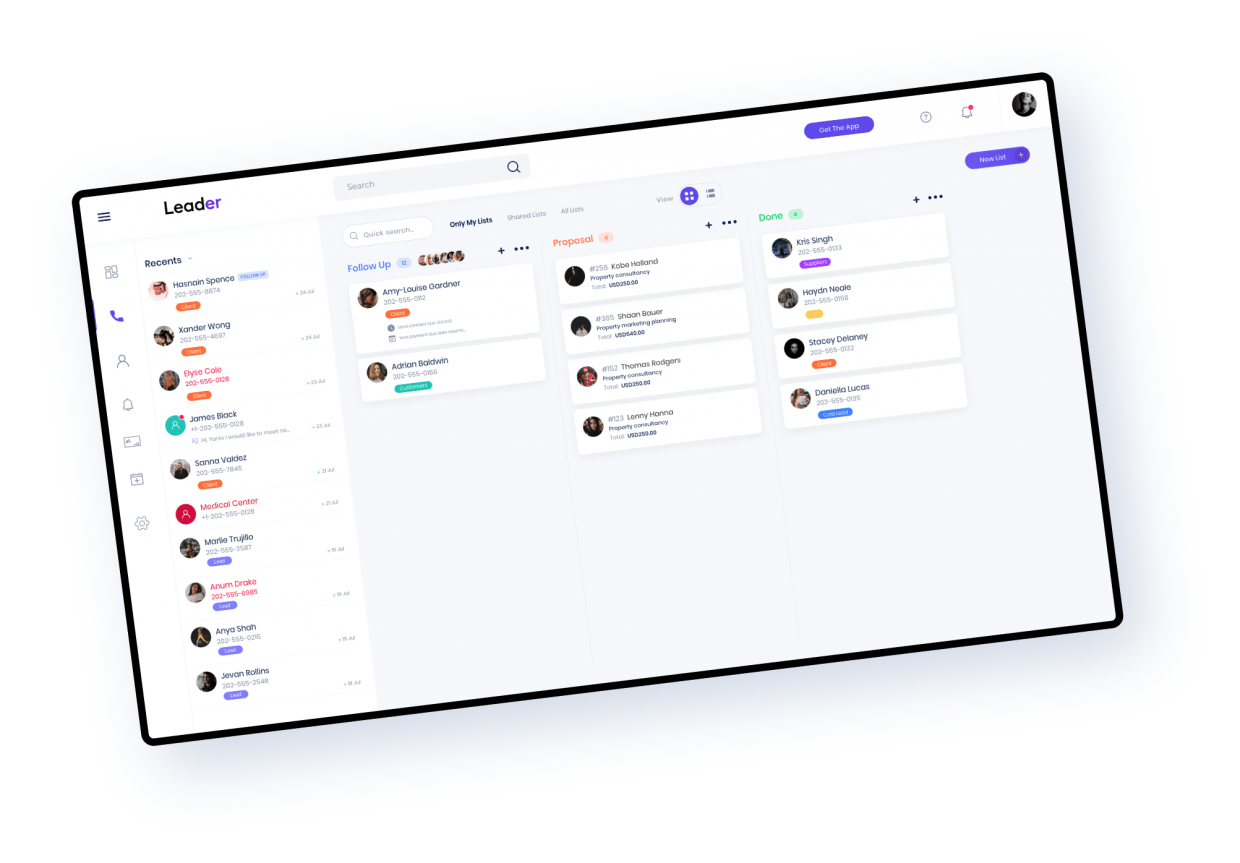
Leader is likely structured as a modular system, where different components handle different types of tasks. These modules may include dashboards, user management areas, or functional tools depending on the platform’s configuration.
The structure allows users to navigate between sections and perform actions relevant to their role. This modular design helps maintain organization and separation of responsibilities within the system.
User Interaction Model
Users interact with the platform through a login-based interface. Once authenticated, they may be granted access to features based on their role or permissions.
Interaction typically involves:
- Navigating dashboards or menus
- Accessing tools or modules
- Viewing or managing data
- Performing assigned tasks within the system
This model ensures that users only access the parts of the system relevant to them, which helps maintain order and control.
Key Features Explained
Core Platform Capabilities
Leader likely provides a set of core capabilities that allow users to interact with the system in a structured way. These may include data handling, task management, or system navigation features that support operational needs.
Communication and Workflow Tools
Depending on configuration, platforms like Leader may include tools that support communication between users or teams. These tools can help coordinate activities, share updates, or manage workflows within the system.
Integration and Accessibility
Leader may support integration with other systems or tools, allowing data to flow between platforms. Accessibility through web interfaces ensures that users can access the platform from different devices with an internet connection.
System Management Options
Administrative features may be available for managing users, permissions, and system settings. These controls allow administrators to configure how the platform is used within an organization.
Common Use Cases
Business Operations
Organizations may use platforms like Leader to organize internal operations. This can include managing structured workflows, handling user roles, or coordinating activities across teams.
Team Coordination
Teams working on shared projects can use the platform to maintain alignment. Centralized access to information helps reduce miscommunication and improves visibility into ongoing tasks.
Process Management
Leader can be used to support repeatable processes that require consistency. By structuring workflows within a platform, organizations can standardize how tasks are handled.
Potential Advantages
The following points describe potential advantages based on general platform behavior:
- Centralized environment for managing tasks or operations
- Structured access based on user roles and permissions
- Modular design that separates different functions
- إمكانية integration with other digital systems
- Improved visibility into workflows and activities
These aspects can help organizations maintain order and reduce reliance on scattered tools or manual coordination.
Limitations & Considerations
Dependence on Configuration
The functionality of Leader may vary depending on how it is configured or implemented within an organization. This means user experience can differ across environments.
Learning Curve
Users may need time to understand how to navigate the platform, especially if it includes multiple modules or role-based access controls.
Limited Public Information
Without detailed publicly available documentation, understanding the full capabilities of the platform may require direct access or onboarding within a specific organization.
Not a Standalone Solution for All Needs
Leader is likely part of a broader system ecosystem rather than a complete standalone solution for all operational requirements.
Who Should Consider Leader
Leader may be suitable for:
- Organizations needing structured digital workflows
- Teams managing coordinated tasks or operations
- Administrators overseeing user roles and system access
- Environments that require centralized platforms for internal processes
Who May Want to Avoid Leader
Leader may not be ideal for:
- Individuals looking for simple, single-purpose tools
- Users without a need for structured workflows or system management
- Small-scale tasks that do not require platform-based coordination
- Users seeking highly specialized standalone applications
Comparison With Similar Platforms
| Feature | Leader | Generic Workflow Tools | Basic Task Apps |
|---|---|---|---|
| Structure | Modular platform | Modular | Limited structure |
| User Roles | Supported | Supported | Minimal |
| Customization | Depends on setup | High | Low |
| Use Case Scope | Broad operations | Workflow management | Personal tasks |
Leader can be compared conceptually with workflow and operations platforms, although its exact positioning depends on implementation details.
Final Educational Summary
Leader represents a category of digital platforms designed to support structured workflows, system access, and organized operations. It is typically used in environments where coordination, role management, and centralized access to tools are important.
Rather than being a single-purpose application, it functions as a flexible platform that can adapt to different organizational needs. Its usefulness depends on how it is implemented and the context in which it is used.
Readers should evaluate platforms like Leader based on their own operational requirements, technical environment, and workflow complexity.
Disclosure: This article is for educational and informational purposes only. Some links on this website may be affiliate links, but this does not influence our editorial content or evaluations.
