Introduction
Finding accurate business contacts and verified professional information has become an important part of digital sales and outreach workflows. Many teams spend significant time searching for decision-makers, validating emails, and organizing prospect data before actual communication even begins. This process can slow productivity and create inconsistencies in lead quality.
Semaless is positioned as a platform designed to simplify how professionals discover, organize, and manage business contact information. Instead of relying on manual research across multiple sources, the platform focuses on consolidating data discovery and lead intelligence into a structured workflow environment.
What Is Semaless?
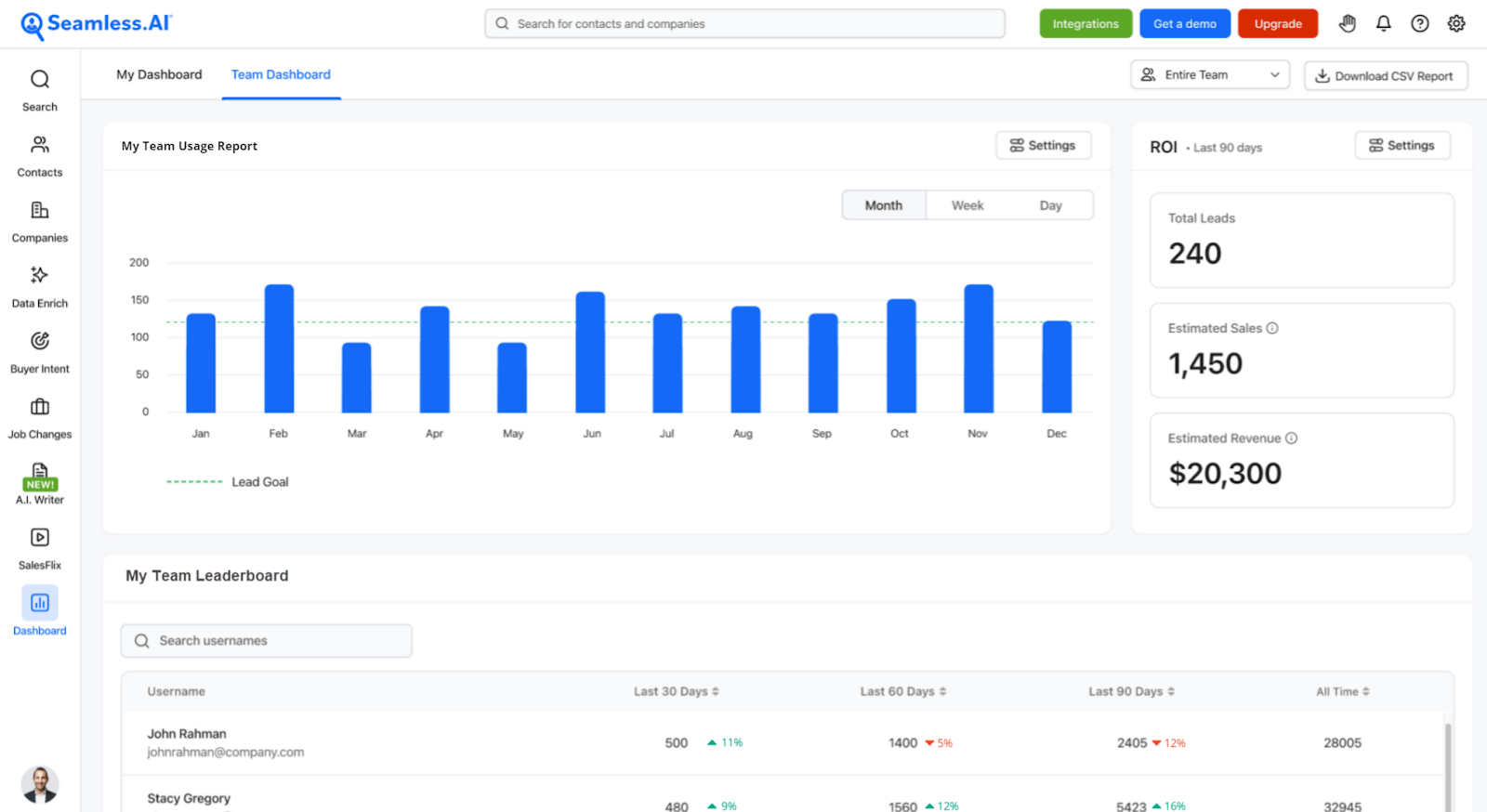
Semaless is a sales intelligence and contact discovery platform built to help users identify potential business leads and gather professional contact details. It aims to support sales teams, recruiters, founders, and marketers who need structured prospect information for outreach or relationship management.
The platform combines data search capabilities with workflow organization tools so users can move from research to lead preparation without switching between multiple applications. Rather than acting as a communication platform itself, Semaless primarily focuses on helping users locate and manage contact data efficiently.
Its main goal is reducing manual prospect research while improving consistency in lead collection.
Key Features Explained
Contact Discovery and Lead Search
Semaless provides search functionality that allows users to find professionals based on company, role, industry, or business category. Instead of browsing multiple websites individually, users can filter results using defined parameters to narrow down potential prospects.
This structured search approach helps teams focus on targeted audiences rather than broad, unorganized lists.
Data Enrichment Capabilities
The platform attempts to enhance basic contact records by attaching additional professional details such as company information or role context. Data enrichment helps users understand who a contact is before initiating communication, which may improve preparation quality.
Enriched data can also help maintain more organized databases for long-term outreach planning.
Lead Organization Workspace
Semaless includes tools for grouping and managing discovered contacts. Users can categorize leads into lists or segments depending on campaigns, industries, or project goals.
This organization layer reduces reliance on spreadsheets and supports a more centralized workflow for managing research outputs.
Browser-Based Workflow Integration
The platform supports workflows that allow users to capture or review lead information while browsing online sources. This approach aims to reduce interruptions between research and data collection tasks.
By keeping information accessible during browsing sessions, users can save time switching between research tools.
Basic CRM-Style Management
While not a full customer relationship management system, Semaless offers lightweight management functions that help users track collected contacts. This includes storing, reviewing, and maintaining lead records in one location.
These capabilities are generally intended for early-stage prospect organization rather than full sales pipeline management.
Common Use Cases
Semaless may be used in several professional scenarios depending on workflow needs.
Sales professionals often use platforms like this to build targeted prospect lists before outreach campaigns begin. Instead of collecting contacts manually, they can prepare structured datasets aligned with specific industries or company sizes.
Recruiters may use similar tools when searching for candidates with particular job titles or organizational backgrounds. The ability to filter by professional attributes can reduce sourcing time.
Startup founders and small teams sometimes rely on lead research platforms to identify potential partners, clients, or early adopters without hiring dedicated research staff.
Marketing researchers may also analyze industry segments using collected professional data to better understand audience structures.
Potential Advantages
One advantage of Semaless is workflow consolidation. Combining discovery and organization in one interface may reduce dependency on multiple disconnected tools.
Another benefit is structured searching. Filter-based discovery allows users to focus on relevant contacts instead of performing broad internet searches.
The platform can also improve research consistency because data is stored centrally rather than across scattered documents or spreadsheets.
For smaller teams, having lightweight lead management features may simplify early outreach preparation without requiring complex CRM systems.
Limitations & Considerations
Data accuracy can vary across sales intelligence platforms, and users may still need to verify contact details before outreach. Automated databases are not always fully updated in real time.
Semaless also focuses primarily on lead discovery rather than full relationship management. Organizations needing advanced pipeline tracking, automation workflows, or analytics may require additional tools.
Another consideration is learning workflow structure. Users transitioning from manual research may need time to adjust to filter systems and database organization methods.
Privacy regulations and responsible data usage practices should also be considered when working with professional contact information.
Who Should Consider Semaless
Semaless may be suitable for individuals or teams that frequently perform prospect research and want a more organized method of collecting professional contact data.
It can be relevant for early-stage sales teams, independent consultants, recruiters, or startups managing outreach preparation without complex infrastructure.
Users who prioritize structured lead discovery over advanced automation may find the platform aligned with their workflows.
Who May Want to Avoid It
Organizations already using advanced enterprise CRM ecosystems may find overlapping functionality. In such cases, integrated enterprise solutions might provide deeper analytics and automation features.
Teams that require built-in email marketing automation or full communication tracking may also need additional software beyond what Semaless provides.
Users seeking fully verified real-time datasets should approach expectations carefully and plan for manual validation processes.
Comparison With Similar Tools
Compared with traditional CRM platforms, Semaless focuses more heavily on discovery rather than relationship lifecycle management. CRM systems typically handle long-term customer tracking, whereas Semaless emphasizes early research stages.
Compared with manual research workflows, the platform offers improved efficiency through centralized filtering and organization. However, specialized enterprise intelligence platforms may offer broader datasets or advanced integrations.
The choice largely depends on whether a user’s primary need is lead discovery or complete sales operations management.
Final Educational Summary
Semaless represents a category of tools designed to simplify how professionals locate and organize business contact information. By combining search, enrichment, and lightweight management features, it attempts to streamline early-stage outreach preparation.
The platform may help reduce manual research time and create more structured prospect databases, especially for smaller teams or independent professionals. However, it should be viewed primarily as a research and lead organization solution rather than a full sales automation system.
Understanding its strengths and limitations allows users to evaluate whether such tools align with their workflow requirements and data management practices.
Disclosure
This article is written for educational and informational purposes only. It does not promote, endorse, or encourage the purchase or use of any specific platform. Readers should independently evaluate tools based on their own operational needs, data policies, and professional requirements.