Introduction
Organizations increasingly operate in a globalized environment, seeking talent beyond their national borders. Expanding internationally introduces complex challenges, such as navigating varied labor laws, managing payroll in multiple currencies, and ensuring benefits compliance across jurisdictions. Human resources departments are often tasked with addressing these multifaceted issues, which can overwhelm traditional HR infrastructures. The rise of Employer of Record (EOR) and global HR platforms reflects this need, offering structured solutions for cross-border employment. Oyster, a cloud-based HR tool, represents a leading example in this domain, designed to help companies manage international hiring and employment processes efficiently.
What Is Oyster?
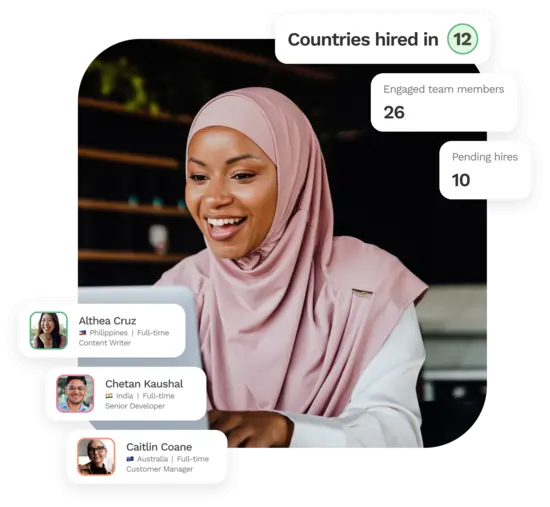
Oyster is a comprehensive human resources platform that primarily functions as an Employer of Record. By definition, an EOR acts as the legal employer for a company’s staff in foreign jurisdictions, handling payroll, benefits, tax compliance, and labor law adherence. Oyster enables organizations to employ staff in more than 180 countries without establishing local subsidiaries, classifying it as a hybrid solution that integrates global payroll management, contractor oversight, and employee benefits administration. It offers a cloud-based interface that centralizes these functions, providing organizations with transparency and operational control across regions.
View Oyster Features
Key Features Explained
Oyster incorporates several features to address the intricacies of international employment:
- Global Payroll Management: Handles salary distribution across multiple countries while automatically adjusting for local tax codes and social security requirements.
- Employer of Record Services: Oversees contracts, labor law compliance, and legal obligations in diverse jurisdictions.
- Contractor Management: Facilitates compliant engagement of freelance and temporary personnel across borders.
- Employee Benefits Administration: Provides localized benefits packages, including healthcare, retirement, and other statutory requirements.
- Compliance Oversight: Continuously monitors changing labor regulations, ensuring contracts, visas, and tax reporting meet local legal standards.
- Integration Capabilities: Connects with existing HR, accounting, and workflow systems to streamline processes and reduce operational silos.
- Guided HR Support: Offers advisory services to address complex people-related scenarios with localized expertise.
Common Use Cases
Organizations deploy Oyster in multiple scenarios:
- International Expansion: Enables rapid onboarding of employees in new markets without the legal overhead of establishing entities.
- Remote Workforce Management: Supports hiring employees across different time zones while maintaining compliance with local regulations.
- Contractor-to-Full-Time Transitions: Simplifies converting contractors into employees in a compliant manner.
- Centralized Payroll Administration: Streamlines payroll and benefits for international teams in a single platform.
- Compliance Assurance: Reduces the risk of regulatory violations when hiring across multiple jurisdictions.
Potential Advantages
Using Oyster offers distinct operational benefits:
- Centralized Control: Consolidates global HR functions into one platform, minimizing administrative fragmentation.
- Reduced Legal Risk: Maintains adherence to complex international labor regulations, lowering compliance exposure.
- Time Efficiency: Automates processes like payroll, contracts, and benefits administration, allowing HR teams to focus on strategic initiatives.
- Scalability: Supports organizations seeking to expand into multiple countries without requiring physical offices.
- Integration with Existing Systems: Facilitates connections with HRIS, ATS, and financial software to maintain consistent operational workflows.
Limitations & Considerations
Despite its comprehensive design, Oyster has certain limitations:
- Cost Implications: Fees vary based on employee count and country-specific complexities, which may impact smaller organizations disproportionately.
- Learning Curve: Organizations need time to adapt to the platform’s workflows and feature sets.
- Limited Customization: Certain local HR practices may not be fully adaptable within the platform’s standardized processes.
- Internet Dependence: As a cloud-based solution, functionality requires reliable internet access.
- Regulatory Updates: Rapidly changing local laws may require additional oversight outside the platform’s automated compliance checks.
Who Should Consider Oyster
Oyster is particularly suitable for organizations that:
- Are expanding globally and require structured compliance support.
- Lack legal entities in target countries but still intend to hire local staff.
- Need a centralized system for global payroll and benefits.
- Seek to integrate international HR management with existing organizational systems.
Who May Want to Avoid It
Organizations might reconsider using Oyster if they:
- Operate solely within a single country.
- Require highly customized local HR processes that the platform cannot accommodate.
- Prefer direct control over employment contracts, payroll, and tax reporting without intermediaries.
- Have small teams where the platform’s cost structure outweighs the operational benefits.
Comparison With Similar Tools
Oyster compares with other global HR and EOR platforms in several ways:
- Geographic Reach: Offers employment in over 180 countries, which is broader than many competitors.
- Comprehensive Integration: Combines payroll, compliance, and benefits in one platform, unlike solutions that require separate tools.
- User-Friendliness: Focuses on intuitive interfaces and dashboards that enhance operational transparency.
Other platforms may provide lower costs for small teams, more detailed analytics, or deeper regional customization. The choice often depends on organizational size, expansion strategy, and HR complexity.
Final Educational Summary
Oyster exemplifies a modern approach to managing global human resources, combining payroll, benefits, compliance, and contractor management in a single platform. Its centralized architecture reduces administrative friction and helps organizations navigate the complexities of international employment law. While not a complete substitute for internal HR expertise, Oyster provides a structured framework for organizations seeking to grow globally with reduced compliance risk. Decision-makers should weigh its operational advantages, limitations, and cost considerations against their organizational objectives and expansion strategy.
Disclosure
Disclosure: This article is for educational and informational purposes only. Some links on this website may be affiliate links, but this does not influence our editorial content or evaluations.