Introduction
In the modern digital landscape, organizations face a growing array of cybersecurity threats that target weaknesses in networks, applications, and infrastructure. Cyber risk is no longer a fringe concern; it affects firms of all sizes across industries. To navigate this complex environment, many institutions adopt vulnerability management tools designed to identify, assess, and help prioritize security gaps. Tools in this category exist because of the fundamental challenge of translating vast volumes of technical data into meaningful insights about an organization’s exposure to threats. The volume and diversity of digital assets—from cloud workloads to legacy systems—make manual assessment impractical. Consequently, automated platforms have emerged to support security teams in systematically monitoring and managing risk at scale.
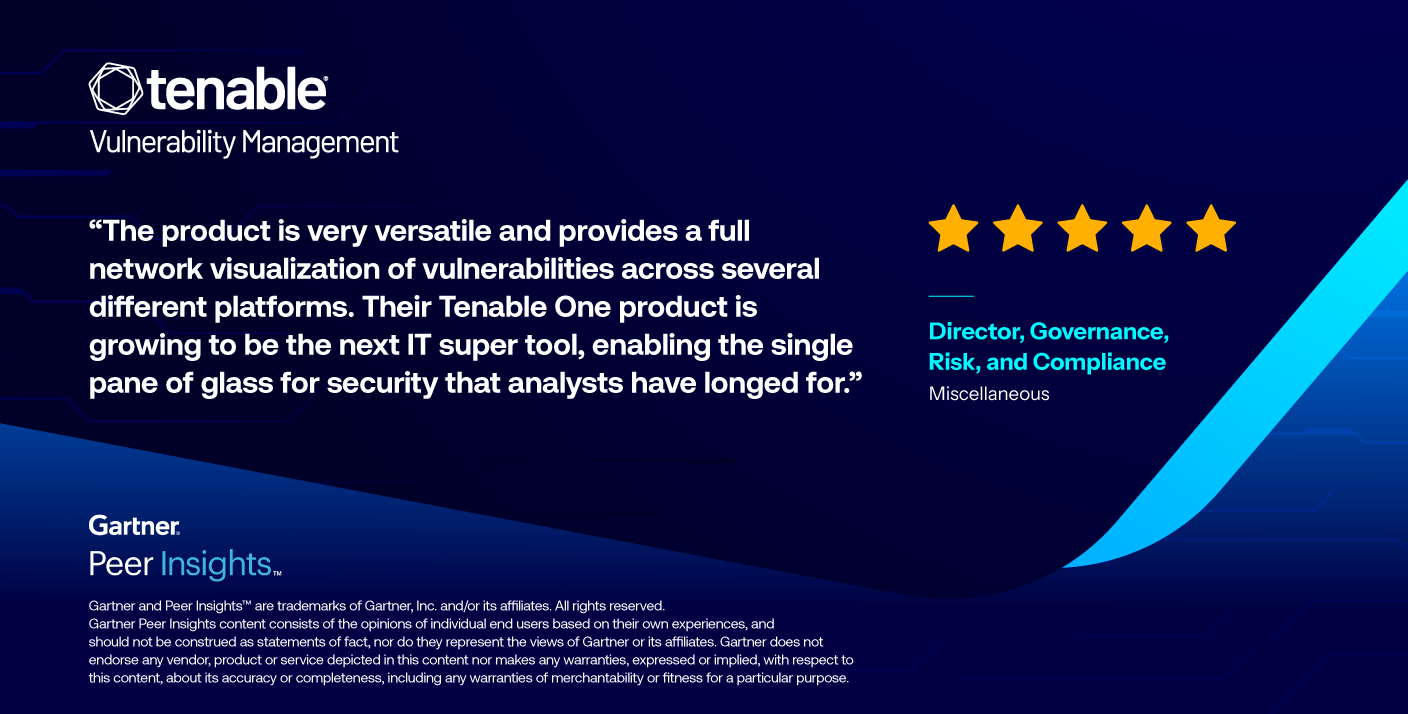
Within this context, Tenable.io is a widely referenced solution in the vulnerability management space. It exemplifies how modern cybersecurity tools seek to support visibility, measurement, and risk analysis across heterogeneous environments. Rather than focusing on a single data point, platforms like this aim to aggregate and contextualize information so that cybersecurity professionals can make informed decisions. This article delves into the nature, features, use cases, strengths, and limitations of Tenable.io, offering an objective reference for learners, analysts, and practitioners interested in how contemporary vulnerability management systems function.
What Is Tenable.io?
Tenable.io is a cloud-based vulnerability management platform developed by Tenable, Inc. It is designed to help organizations discover and assess vulnerabilities across digital environments. As a member of the broader class of vulnerability assessment and risk management tools, Tenable.io focuses on identifying security weaknesses in systems, software, cloud workloads, and network assets.
At its core, Tenable.io functions by scanning systems and aggregating vulnerability data. It then correlates this data against threat intelligence and known vulnerability databases to provide a structured view of risk. While closely related to traditional vulnerability scanners, Tenable.io distinguishes itself by offering continuous visibility, cloud-native deployment, and integration capabilities that align with agile and DevOps-oriented workflows.
Technically, it can be categorized under vulnerability management platforms, risk assessment software, and security posture management solutions. Its architecture leverages cloud infrastructure to provide scalability and accessibility without the need for extensive on-premises deployment management.
Key Features Explained
Understanding the practical value of Tenable.io requires a clear look at its component features. These features reflect the functional priorities of modern vulnerability management and cyber risk monitoring.
1. Asset Discovery and Inventory
One of the foundational capabilities of Tenable.io is automated asset discovery. The platform attempts to identify devices, applications, and workloads connected to the network. Asset discovery is essential because organizations can’t manage risks effectively if they lack a complete inventory of what exists within their attack surface.
This feature often involves passive network monitoring, active scanning, and integration with cloud APIs to detect ephemeral resources such as containers or virtual machines. Once assets are identified, they can be categorized and tracked over time.
2. Vulnerability Scanning
Vulnerability scanning in Tenable.io encompasses both credentialed and non‑credentialed scans. Credentialed scans have access to systems using valid authentication details, enabling deeper inspection of configuration settings and installed software. Non‑credentialed scans provide an external view of vulnerabilities visible without authentication.
Scans can be configured based on frequency and scope, allowing organizations to schedule regular assessments or perform on‑demand scans when necessary.
3. Threat Intelligence Integration
Raw vulnerability data has limited value without context. Tenable.io incorporates threat intelligence feeds and industry vulnerability databases to provide prioritization. For example, vulnerabilities associated with active exploitation in the wild may receive higher priority scores.
This integration supports risk‑based decision making by highlighting issues that present a more significant threat to the organization.
4. Dashboards and Reporting
Visualization is critical for translating technical findings into actionable insights. Tenable.io includes dashboards that display trends, top vulnerabilities, asset health scores, and progress over time. Reporting tools enable exportable summaries tailored to technical teams or executive stakeholders.
These dashboards emphasize clarity and support filtering by asset type, severity, or compliance frameworks.
5. Integration with DevOps and Security Workflows
Modern IT environments often include CI/CD pipelines and automated deployments. Tenable.io offers APIs and integrations that allow vulnerability scanning to be embedded within development and deployment workflows. This supports the concept of “shift‑left” security, where issues are identified earlier in the software lifecycle.
6. Cloud and Container Visibility
Unlike legacy scanners that focus primarily on traditional servers, Tenable.io includes functionality for identifying and assessing cloud workloads, container images, and orchestration platforms. This capability aligns with how many organizations now deploy applications across hybrid infrastructures.
Common Use Cases
The practical application of Tenable.io spans several scenarios where vulnerability visibility and risk assessment are necessary.
Enterprise Vulnerability Management
Large organizations often require centralized vulnerability management across diverse environments. Tenable.io can serve as a central repository where assets and vulnerabilities are tracked consistently. Security teams can use this for quarterly assessments, audit support, and ongoing risk monitoring.
Cloud Security Posture Assessment
As organizations migrate workloads to public cloud providers, they need visibility into misconfigurations, outdated software, and compliance issues in these environments. Tenable.io supports assessment of cloud assets through integrations with platforms like AWS, Azure, and others.
Compliance and Audit Reporting
Regulated industries may need to demonstrate adherence to standards such as PCI DSS, HIPAA, or ISO 27001. Tenable.io’s reporting and dashboard features can support documentation of vulnerability remediation efforts and risk trends required during compliance audits.
DevOps Integration for Secure Development
Development teams can integrate Tenable.io scans into build pipelines to catch vulnerabilities earlier. This can reduce costs associated with fixing issues later in the development lifecycle and improve overall code quality.
Prioritization of Remediation Activities
Risk prioritization is a recurring challenge. Tenable.io’s contextual scoring helps teams focus on vulnerabilities that pose the greatest threat based on severity, asset importance, and threat activity.
Potential Advantages
While educational in nature, examining the advantages of a platform like Tenable.io offers insight into what organizations may gain from adopting structured vulnerability management.
Continuous Visibility Across Assets
Rather than point‑in‑time assessments, Tenable.io supports ongoing monitoring. This continuity helps teams detect new vulnerabilities as they emerge and track remediation progress over time.
Cloud‑Native Deployment
Because it operates from the cloud, Tenable.io can scale with organizational needs without the administrative overhead associated with on‑premises infrastructure. This model also supports remote access for distributed teams.
Comprehensive Asset Coverage
By incorporating cloud APIs, container scanning, and traditional network scanning, Tenable.io attempts to provide coverage across an organization’s entire digital footprint, including dynamic and ephemeral resources.
Risk Prioritization
Prioritization mechanisms help differentiate between low‑impact issues and vulnerabilities that require immediate attention. This can be particularly important for teams with limited resources.
Limitations & Considerations
Objectively, it is also important to understand the limitations and practical considerations associated with Tenable.io.
Resource Requirements for Effective Use
Proper deployment and ongoing management of vulnerability scanning require dedicated resources. Security teams must invest time in configuring scans, interpreting results, and integrating the platform with existing workflows.
False Positives and Tuning Needs
Like many automated scanners, Tenable.io can generate false positives—results that appear to be vulnerabilities but do not represent genuine risks. Organizations must tune scan configurations and filters to minimize noise.
Cloud‑Only Deployment Considerations
While cloud deployment offers ease of scaling, some organizations with strict data residency requirements may face constraints. Decisions regarding where and how scan data is stored should align with internal policies and regulatory obligations.
Learning Curve
Teams new to vulnerability management may require time to understand terminologies, workflows, and best practices for interpreting and acting on scanning results. Training and onboarding are necessary investments.
Who Should Consider Tenable.io
Tenable.io is suited to a range of organizational contexts in need of structured vulnerability management. Academic institutions, governmental bodies, and private enterprises with heterogeneous IT environments may find the platform relevant as a centralized means of assessing cyber risk across assets.
Security teams seeking continuous visibility into vulnerabilities across both traditional infrastructure and cloud workloads can use the platform as part of a broader risk management strategy. Organizations aiming to integrate security assessments into development processes may also find utility in the platform’s API and automation capabilities.
Who May Want to Avoid It
Tenable.io may not be appropriate for every situation. Small organizations with limited or static infrastructure may not require the breadth of features offered by a cloud‑native vulnerability management platform. In such cases, simpler tools or services may offer sufficient visibility without the complexity associated with configuring and maintaining an enterprise‑grade solution.
Additionally, entities constrained by specific regulatory controls around where security data can be stored may need to explore alternative deployment models that permit on‑premises hosting rather than relying on cloud‑native services.
Comparison With Similar Tools
Placing Tenable.io in the context of related platforms helps clarify its position within the broader vulnerability management ecosystem.
Some tools focus primarily on on‑premises scanning without extensive cloud workload capabilities, while others emphasize compliance reporting or threat intelligence enrichment. Compared with traditional vulnerability scanners, cloud‑native platforms like Tenable.io extend visibility to modern environments such as containerized applications and integrated CI/CD pipelines.
Other SaaS vulnerability management solutions may emphasize automated patch suggestions or deeper integration with endpoint detection and response systems. Different products vary in how they prioritize vulnerabilities, report findings, and support mitigation workflows. Analysts evaluating these offerings should consider the specific needs of their environment, such as the diversity of assets, regulatory requirements, and existing security practices.
Final Educational Summary
In summary, Tenable.io represents a cloud-based approach to vulnerability management aimed at helping organizations identify and understand weaknesses in their digital environments. It incorporates asset discovery, scanning, threat context, and reporting to support structured risk assessment. While it provides broad visibility and integration capabilities, effective use requires organizational commitment to configuration, interpretation, and remediation follow‑through.
By situating vulnerability data within context and offering mechanisms for prioritization, platforms like Tenable.io contribute to the foundational practices of cybersecurity risk management. Awareness of both benefits and limitations enables learners and practitioners to evaluate how such tools fit into broader defense strategies.
Disclosure
This article is for educational and informational purposes only. Some links on this website may be affiliate links, but this does not influence our editorial content or evaluations.