Introduction
Selling products online has become increasingly accessible, but many creators and small business owners face challenges when trying to monetize their work effectively. Traditional e-commerce platforms often require coding knowledge, complex setup, and separate tools for marketing, payments, and product delivery. This has led to the development of all-in-one online store solutions that streamline the process, allowing users to sell digital products, physical goods, and subscription-based content from a single platform. Sellfy is one such tool designed to simplify online selling for individuals and small teams.
What Is Sellfy?
Sellfy is a cloud-based e-commerce platform categorized under business tools. It provides an online store builder specifically aimed at creators, entrepreneurs, and small businesses who want to sell digital and physical products without needing extensive technical knowledge. Typical users include independent artists, designers, authors, musicians, and small-scale merchandisers. The platform allows users to set up a store quickly, manage products, and integrate basic marketing tools to support sales.
Key Features Explained
Sellfy offers several core features that enable creators to manage their online sales:
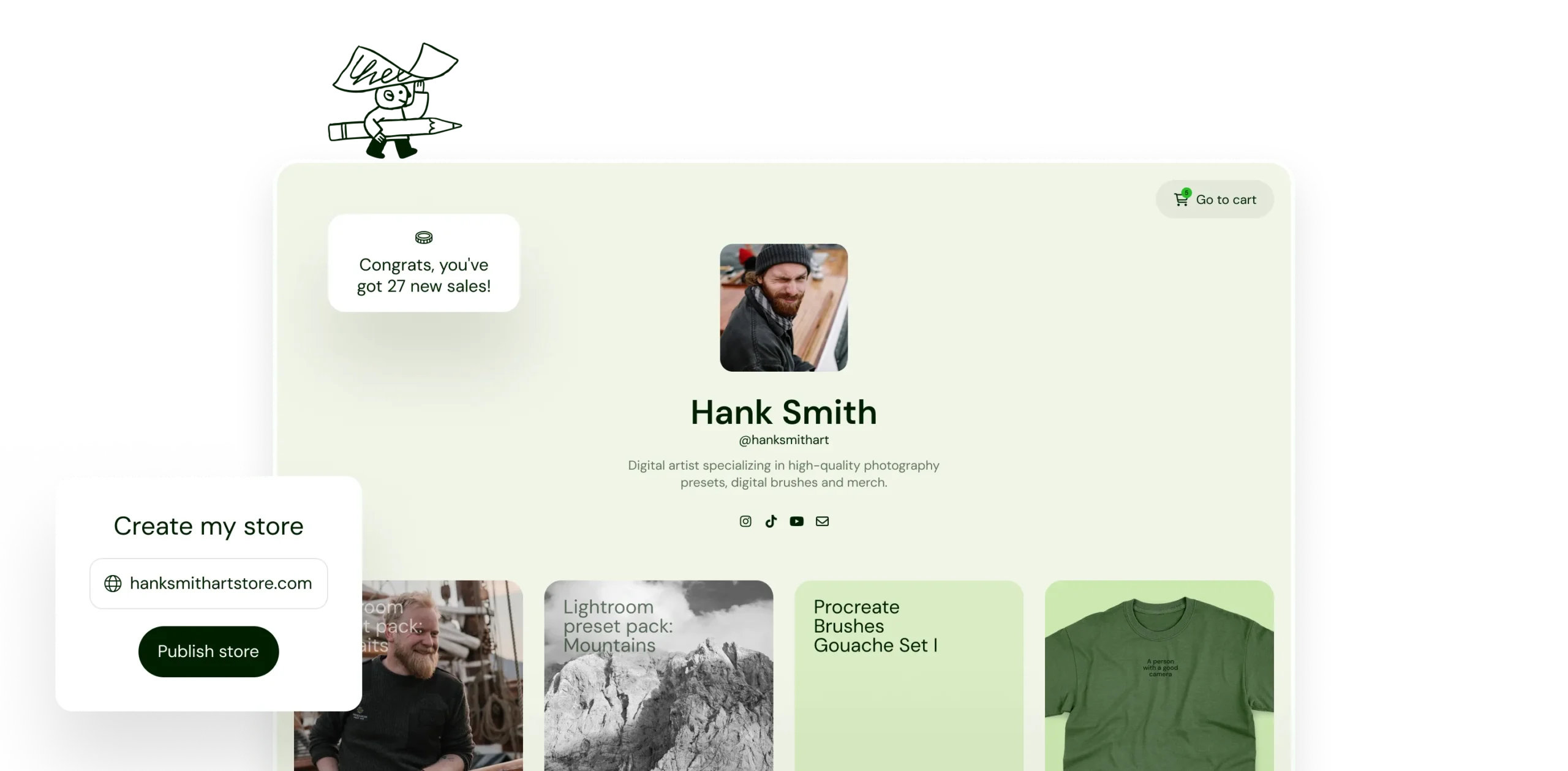
- Store Builder – A drag-and-drop interface lets users design their online store without coding. Templates provide a starting point, and users can customize layouts for web and mobile devices.
- Digital Product Sales – Supports the sale of eBooks, music, videos, design files, and other digital products up to 20GB per file. The platform manages file hosting and delivery automatically.
- Physical Product Management – Allows creators to sell tangible items like prints, books, or merchandise. Users can organize inventory, track orders, and set pricing.
- Print-on-Demand Integration – Facilitates on-demand printing of apparel and merchandise without upfront investment, using multiple fulfillment centers for shipping.
- Subscription Products – Enables recurring payments for content such as magazines, workout plans, or exclusive digital content. The system handles billing and subscriber management.
- Marketing Automation – Provides tools for email campaigns, affiliate programs, product upsells, and basic SEO to help creators reach customers and boost store visibility.
- Express Checkout – Streamlines the purchasing process with multiple payment options, including PayPal, Stripe, Apple Pay, Google Pay, and credit cards, aiming to reduce friction in the sales process.
Common Use Cases
Sellfy caters to a range of users and purposes:
- Freelance Designers and Artists – Sell digital artwork, templates, or stock assets to a global audience.
- Authors and Musicians – Distribute eBooks, music tracks, or video tutorials directly to fans.
- Small Merch Shops – Manage physical products or print-on-demand merchandise without maintaining inventory.
- Content Creators – Offer subscription-based content, such as tutorials, newsletters, or exclusive materials, generating recurring revenue.
- Entrepreneurs and Startups – Build a simple online store quickly without investing in custom development or extensive integrations.
Potential Advantages
Sellfy offers several neutral benefits worth considering:
- Quick setup for users without technical experience.
- Supports multiple product types: digital, physical, and subscription-based.
- Integrated payment processing with no transaction fees in standard plans.
- Built-in marketing tools reduce the need for additional software.
- Cloud-based hosting eliminates the need for separate web infrastructure.
Limitations & Considerations
Despite its strengths, Sellfy has some realistic limitations:
- Learning Curve – While basic setup is straightforward, fully leveraging marketing and subscription tools may require time and experimentation.
- Pricing – Monthly plans may not scale economically for very small operations or low-volume sellers.
- Limited Integrations – May not offer advanced connections with enterprise-level software or third-party services compared to larger e-commerce platforms.
- Dependence on Cloud – Users must rely on Sellfy’s servers; outages or platform changes can affect store operations.
- Customer Support – While support is available, response times and availability may vary depending on subscription tier.
Who Should Consider Sellfy
Sellfy is suitable for individuals and small teams looking to start selling products online quickly, especially creators of digital content, small merch sellers, or those interested in subscription-based models. Its simplicity makes it ideal for users who want minimal setup and integrated tools for marketing and payments.
Who May Want to Avoid Sellfy
Businesses with highly complex e-commerce needs, advanced inventory management requirements, or those seeking extensive third-party integrations may find Sellfy limiting. Large-scale retailers or enterprise users may require more robust features than Sellfy currently offers.
Comparison With Similar Tools
Sellfy can be compared with several other e-commerce platforms:
- Shopify – Provides more advanced e-commerce features, extensive app integrations, and scalable options but requires more setup and potentially higher costs.
- Gumroad – Focuses primarily on digital products, with fewer marketing tools and limited physical product support, making it simpler but less versatile.
- Printful – Specialized in print-on-demand, with no built-in store for broader digital sales; better for merchandise-focused sellers but not full-service e-commerce.
Final Educational Summary
Sellfy is a business tool designed for creators and small businesses who want to sell digital and physical products online without extensive technical knowledge. Its drag-and-drop store builder, product management, print-on-demand integration, and marketing tools make it a convenient all-in-one solution. While it has some limitations regarding integrations, scalability, and advanced features, it can serve as a practical starting point for many small-scale sellers. Evaluating the tool based on specific business needs, product types, and desired marketing capabilities is essential before committing.
Disclosure
This article is for educational and informational purposes only. Some links on this website may be affiliate links, but this does not influence our editorial content or evaluations.