Introduction
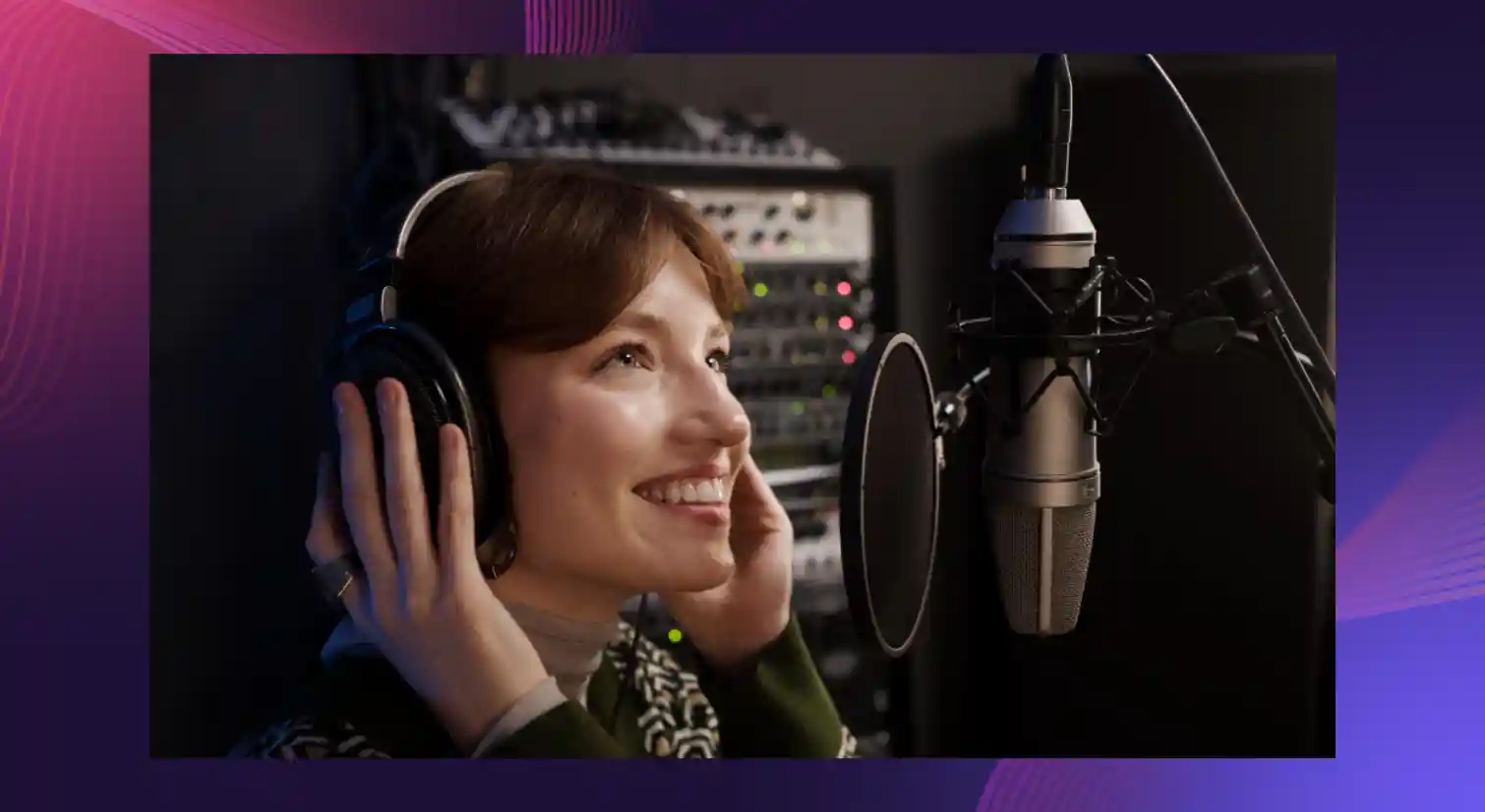
Converting written text into spoken audio is a common need in areas such as instructional content, video narration, accessibility interfaces, and automated responses. Traditionally, producing recorded speech involved hiring voice talent, scheduling studio time, and managing audio engineering. Text‑to‑speech (TTS) technologies aim to automate this process by taking input text and generating spoken output. AI‑powered TTS tools apply machine learning models to make synthetic voices resemble human speech more closely than basic rule‑based systems.
What Is Murf AI?
Murf AI is a web‑based software platform designed to transform text into synthesized spoken audio. It falls within the category of AI text‑to‑speech tools, which are used by people and teams that need to produce voice narrations or spoken content without manually recording audio. Users such as content creators, educators, and developers may use Murf AI to generate speech for videos, tutorials, presentations, or applications. The platform offers a selection of voices, language options, and controls for adjusting how the generated speech sounds.
Understanding Text‑to‑Speech Technology
Key Features Explained
This section describes the functionality Murf AI typically offers, without recommending it:
- Text Input and Speech Generation: Users input text, and the system outputs audio in a selected voice. A library of voices and language options is usually available.
- Voice Selection: A catalog of synthetic voices with different accents or languages allows users to choose how the speech should sound.
- Voice Customization Controls: Parameters such as speed, pitch, and emphasis can often be adjusted to modify prosody or delivery style.
- Video Dubbing: The platform may support synchronizing generated voice tracks with uploaded video files.
- Voice Cloning Options: Some tiers include tools to create a synthetic voice based on a sample of an individual’s speech, subject to ethical use.
- Integration Interface: An application programming interface (API) can enable programmatic access for use in software systems or workflows.
Common Use Cases
Text‑to‑speech tools like this are applied in various contexts. Examples include:
- Narration for Educational Content: Turning lesson text or presentation scripts into spoken audio for online courses.
- Voiceovers for Videos: Adding spoken narration to explain visuals in recorded demo or marketing content.
- Multilingual Spoken Content: Generating speech in different languages and dialects to reach broader audiences.
- Application Speech Interfaces: Providing synthesized responses in apps, chatbots, or automated systems via API connections.
Potential Advantages
The following points highlight potential attributes users might consider when evaluating Murf AI or similar tools:
- Reduces Manual Audio Production: Automating speech output can shorten the time needed to produce narration compared with arranging human recordings.
- Multiple Voice and Language Options: A diverse set of voices may support varied content requirements.
- Customization Controls: Adjustable speech parameters can help tailor audio to specific pacing or tone needs.
- Integration Support: API capabilities can allow TTS functions to be woven into broader content pipelines.
- Accessibility: Spoken audio can make written material more accessible to people with different reading preferences or visual impairments.
Limitations & Considerations
It is important to examine practical limitations and contextual factors:
- Naturalness and Expressivity: Synthetic voices may lack the natural rhythm and emotion of human speakers, especially for expressive content.
- Functional Restrictions on Free Access: Entry‑level or free access tiers typically have constraints on features, downloads, or voice choices.
- Cost Implications: Advanced features, higher usage limits, or commercial licensing may require paid plans, which readers should compare with alternatives.
- Editing Requirements: Generated speech may need manual adjustments for correct pronunciation or pacing, which adds process steps.
- Ethical and Legal Aspects of Voice Cloning: Reproducing specific individual voices raises consent and intellectual property considerations.
- Variation in Documentation and Support: The availability and quality of help resources can vary by plan or provider.
Who Should Consider Murf AI
Users or teams who may find an AI text‑to‑speech solution relevant include:
- Educators and instructional designers preparing narrated learning materials.
- Creators producing voiceovers for video content or presentations.
- Software developers integrating speech capabilities into interfaces.
- Teams seeking to generate spoken content in multiple languages.
Who May Want to Avoid Murf AI
An AI TTS platform may be less suitable for:
- Projects where high emotional nuance or performance quality is essential.
- Individuals or small groups with very limited budgets and no need for advanced options.
- Real‑time interactive speech systems requiring immediate conversational responsiveness.
Comparison With Similar Tools
Several other platforms operate in this space, each with differing emphasis:
- Amazon Polly: A cloud API service with broad language support and scalability within a larger cloud ecosystem.
- Google Cloud Text‑to‑Speech: Offers various voices and neural models within Google’s cloud infrastructure.
- ElevenLabs: Another AI voice platform with its own pricing and voice customization approach.
These tools differ in pricing models, interface styles, voice libraries, and integration options. The choice among them typically reflects project needs rather than an absolute ranking.
Final Educational Summary
Text‑to‑speech technologies like Murf AI represent a class of software that translates written content into spoken audio using trained machine learning models. Such tools can streamline the process of generating narration, support accessibility goals, and provide flexible voice options. However, synthetic speech may not fully match the nuance of human performance, and users should consider factors such as naturalness, feature limits, cost, and ethical implications. There is no single solution for all scenarios; evaluating several platforms against specific requirements can help clarify suitability.
Disclosure
This article is for educational and informational purposes only. Some links on this website may be affiliate links, but this does not influence our editorial content or evaluations.