Introduction
Social media growth today depends less on random posting and more on structured planning. Many creators and businesses struggle because content creation, posting time, and performance tracking happen separately. This often leads to inconsistent uploads and reduced engagement.
Later is a social media management platform built to solve this workflow problem. Instead of posting manually every day, users can organize content visually, schedule posts in advance, and monitor performance from a single dashboard. The platform focuses mainly on simplifying content planning rather than complex marketing automation.
What Is Later?
Later is a cloud-based social media scheduling and planning tool designed to help individuals and teams manage multiple social platforms in one place. It allows users to prepare posts ahead of time, arrange them on a calendar, and publish content automatically or through reminders.
The platform originally focused on Instagram scheduling but has expanded to support several major social networks. Its core purpose is to make social media management more organized and predictable.
How Later Works
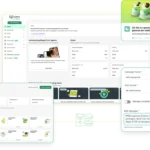
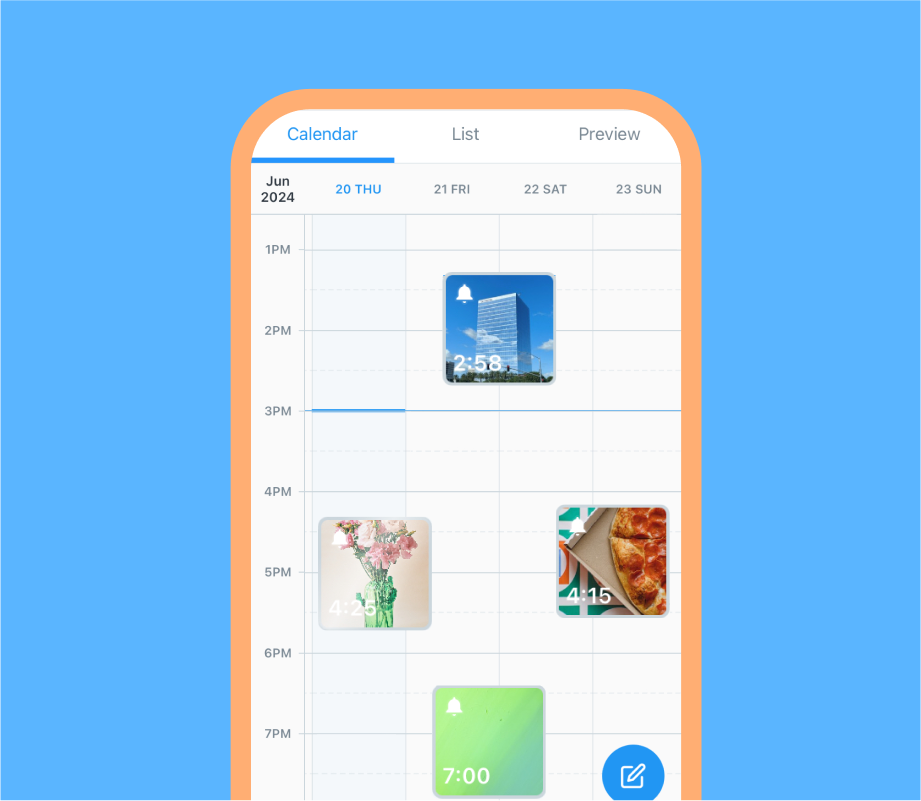
Later works through a structured content workflow. Users first upload images or videos into a media library where all assets remain organized. After uploading, posts can be dragged directly onto a visual calendar to choose publishing dates and times.
Once scheduled, posts either publish automatically or notify the user when manual posting is required depending on platform rules. Performance data then becomes available inside analytics dashboards, allowing users to evaluate results and adjust future content planning.
This process converts daily posting into a planned monthly workflow.
Key Features Explained
Visual Social Media Calendar
The visual planner is the main working area inside Later. Instead of a text-based scheduler, users see their content layout exactly as it will appear on social feeds. This helps maintain design consistency, color balance, and branding style across posts.
Creators who depend on aesthetic feeds find this feature especially useful because it reduces guesswork before publishing.
Multi-Platform Publishing
Later supports scheduling across multiple social platforms from one interface. Users can manage different accounts without switching apps repeatedly. This centralized approach reduces time spent logging into each platform separately and helps maintain consistent posting schedules.
Media Library Organization
All images and videos remain stored in a content library. Files can be reused, labeled, or organized into categories, making it easier to plan campaigns or recurring content themes. Over time, this becomes a structured archive of marketing assets.
Caption and Hashtag Management
Users can save caption templates and hashtag groups for repeated use. This helps maintain posting speed while keeping messaging consistent. Instead of rewriting captions each time, creators can adapt saved versions quickly.
Analytics Insights
Later provides engagement insights that show how posts perform over time. Analytics help users understand when audiences are active, which content receives interaction, and how engagement changes across posting schedules.
These insights support data-based content decisions rather than guessing what works.
Link in Bio Integration
The platform includes a customizable bio link page that allows multiple destinations to be shared through a single social profile link. This helps creators direct audiences toward different content without constantly updating profile links.
Collaboration and Workflow Tools
Teams can assign roles, review posts before publishing, and manage approvals within the same workspace. This reduces communication confusion when multiple people handle social media accounts.
Common Use Cases
Later is commonly used by content creators who want to maintain regular posting without daily manual effort. Small businesses use it to plan promotional campaigns ahead of time, while marketing teams rely on scheduling calendars to coordinate launches or seasonal content.
It is particularly useful when consistency matters more than instant posting.
Potential Advantages
One of Later’s main advantages is workflow simplicity. The platform reduces repetitive tasks by allowing users to prepare weeks of content in advance. Visual planning helps maintain brand identity, while centralized scheduling saves time across platforms.
Users also benefit from having analytics and publishing tools combined inside one environment instead of using separate services.
Limitations & Considerations
Later focuses strongly on planning rather than advanced marketing automation. Some platform restrictions mean certain posts still require manual confirmation. Advanced analytics and collaboration options may also depend on higher-tier plans.
Users looking for deep social listening or enterprise-level monitoring tools may find the platform limited compared to larger marketing suites.
Who Should Consider Later
Later can be suitable for creators, freelancers, startups, and small marketing teams that want a structured posting system. It works best for visually driven content strategies where planning and consistency are priorities.
People managing several social accounts simultaneously may find the organized dashboard helpful for reducing workload.
Who May Want to Avoid It
Users who mainly post spontaneous or real-time updates might not benefit fully from scheduled workflows. Large enterprises requiring extensive analytics or customer interaction tracking may prefer broader marketing platforms.
Comparison With Similar Tools
Compared with simpler schedulers, Later emphasizes visual planning and feed design. Some tools focus mainly on quick posting, while others prioritize analytics depth. Later sits between these approaches by combining scheduling, organization, and moderate analytics in a single interface.
Final Educational Summary
Later is a social media planning platform designed to bring structure to content management. Its visual calendar, scheduling tools, and analytics features help users shift from daily posting stress to long-term content organization.
The platform works best as a planning system that supports consistency and workflow clarity rather than as a full marketing automation solution. Its effectiveness depends on how structured a user’s social media strategy is.
Disclosure
This article is created for informational and educational purposes only. The content presents an independent overview intended to explain how the platform functions without promoting or recommending any service.