Introduction
Digital communication has become a core component of modern organizational operations. Businesses, educational institutions, nonprofit organizations, and public-sector bodies increasingly rely on direct digital channels to distribute information, maintain relationships with audiences, and manage outreach at scale. Among these channels, email remains one of the most persistent and widely used forms of communication.
However, managing large-scale email outreach presents several operational challenges. Sending messages manually becomes inefficient when audiences reach thousands or millions of recipients. Organizations also need tools to structure subscriber lists, schedule campaigns, monitor engagement metrics, and comply with data protection and consent requirements.
These operational needs led to the development of email marketing platforms. Such systems centralize contact management, automate campaign delivery, and provide analytical insights about audience engagement. Over time, these platforms have expanded to include automation workflows, segmentation tools, and integrations with other digital systems.
iContact is one such platform operating in this category. It focuses on helping organizations manage email communication campaigns and maintain structured contact databases while tracking engagement metrics.
This article examines iContact from an educational perspective, explaining how it functions, what features it typically provides, and where it fits within the broader email marketing software landscape.
What Is iContact?
iContact is a cloud-based email marketing platform designed to help organizations create, manage, and analyze email campaigns. It belongs to the broader category of digital marketing automation tools, with a primary emphasis on email-based communication.
The platform allows users to build email messages, organize subscriber lists, and send campaigns to defined groups of contacts. It also includes reporting tools that track metrics such as email delivery rates, open rates, and engagement statistics.
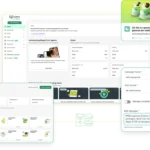
Platforms like iContact typically operate through a web-based dashboard. Users log in through a browser and manage campaigns using graphical interfaces rather than requiring specialized technical knowledge. This structure makes such systems accessible to marketing teams, small business owners, nonprofit staff, and communications professionals.
Another important element of email marketing platforms is compliance management. Email campaigns must follow regulations related to permission-based marketing, unsubscribe options, and privacy standards. Tools in this category often include built-in systems that help maintain compliance with such requirements.
In practical terms, iContact functions as a centralized environment where organizations manage subscriber lists, design email campaigns, and monitor the performance of their communication efforts.
Key Features Explained
Email marketing software typically includes a range of tools designed to streamline communication processes. iContact incorporates several features common to platforms in this category.
Email Campaign Builder
One of the central functions of iContact is the ability to design and distribute email campaigns. Users can create messages using visual editors that allow them to combine text, images, headers, and layout elements without requiring coding knowledge.
Campaign builders usually include customizable templates. These templates provide pre-designed structures that can be adapted to different communication needs, such as newsletters, event announcements, product updates, or informational bulletins.
Contact List Management
Managing subscriber databases is another essential component of email marketing platforms. iContact allows users to organize contacts into lists or segments based on specific attributes.
For example, organizations may group contacts according to:
- Geographic region
- Subscription preferences
- Engagement history
- Customer lifecycle stage
Segmenting contacts helps ensure that messages reach relevant audiences rather than being distributed indiscriminately.
Email Automation Tools
Automation features allow users to create workflows that send emails automatically based on defined triggers or schedules. For instance, automated messages may be sent when a user subscribes to a mailing list, downloads a resource, or reaches a milestone event.
Automation systems can reduce manual workload while ensuring consistent communication with subscribers.
Performance Analytics and Reporting
Analytics tools help organizations understand how recipients interact with their emails. iContact typically provides reporting dashboards that display data such as:
- Email open rates
- Click-through rates
- Bounce rates
- Unsubscribe activity
These metrics allow organizations to evaluate whether their communication strategies are effective and to adjust future campaigns accordingly.
Integration With Other Systems
Many organizations use multiple digital tools simultaneously. Email platforms therefore often integrate with other systems such as customer relationship management software, website forms, and e-commerce platforms.
iContact supports integrations that enable contact data to be synchronized across platforms, helping maintain consistent records.
Subscriber Management and Compliance Tools
Compliance features are particularly important in email communication systems. Email platforms typically provide tools for managing unsubscribe requests, handling permission-based mailing lists, and maintaining records of subscriber consent.
These features help organizations align with international email communication regulations and privacy requirements.
Common Use Cases
Email marketing platforms serve a wide range of communication needs across different industries. iContact is commonly used in several contexts.
Small Business Communication
Small and medium-sized businesses often use email platforms to maintain contact with customers. Newsletters, product updates, seasonal promotions, and service announcements are frequently distributed through email campaigns.
Centralized tools like iContact allow small teams to manage these communications without requiring specialized technical staff.
Nonprofit Organization Outreach
Nonprofit organizations frequently rely on email communication to share updates with supporters, volunteers, and donors. Email campaigns can be used to distribute event invitations, fundraising announcements, and informational newsletters.
Platforms that support contact segmentation and automated messaging are particularly useful in these settings.
Educational Institutions
Schools, training centers, and educational organizations often maintain mailing lists for students, alumni, or program participants. Email campaigns may distribute announcements about events, course offerings, or institutional updates.
Email marketing systems provide a structured environment for managing these communications.
Content Distribution
Organizations that publish newsletters, research updates, or informational articles may use email platforms to deliver content to subscribers on a regular schedule.
Email remains one of the most widely used channels for distributing recurring content to engaged audiences.
Event Promotion
Events such as webinars, conferences, or workshops often rely on email outreach for promotion and registration reminders. Automated workflows can help send confirmations and follow-up messages to participants.
Potential Advantages
Email marketing platforms offer several operational advantages when compared to manual communication methods.
Scalable Communication
Platforms like iContact allow organizations to send messages to large numbers of subscribers simultaneously. This scalability is particularly important for organizations managing large mailing lists.
Structured Data Management
Centralized contact databases make it easier to maintain organized subscriber records. Segmentation features help ensure that messages reach appropriate audiences.
Performance Insights
Analytics dashboards provide measurable insights into how audiences interact with email content. Organizations can use this data to refine communication strategies.
Workflow Automation
Automation tools reduce repetitive manual tasks. Once workflows are configured, routine communications can occur automatically.
Consistency in Communication
Using templates and scheduling tools helps maintain consistent formatting and timing for outgoing messages.
Limitations & Considerations
While email marketing platforms provide useful functionality, there are also limitations that organizations should consider before adopting such systems.
Learning Curve
Although platforms are designed to be user-friendly, new users may still require time to understand features such as segmentation, automation workflows, and analytics reporting.
Dependence on Email Engagement
The effectiveness of email campaigns depends on whether recipients open and engage with messages. If subscriber interest declines or inbox filtering increases, engagement metrics may drop.
Data Management Responsibilities
Organizations must maintain accurate and compliant contact lists. Improper handling of subscriber data can lead to deliverability issues or regulatory concerns.
Cost Structure
Many email marketing platforms operate on subscription pricing models based on list size or usage levels. Organizations must evaluate whether these costs align with their communication needs.
Deliverability Challenges
Email delivery depends on factors such as sender reputation, content formatting, and recipient email provider policies. Even well-designed campaigns may encounter filtering or spam classification.
Who Should Consider iContact
iContact may be suitable for organizations that need structured email communication capabilities.
Potential users may include:
- Small and medium-sized businesses managing customer newsletters
- Nonprofit organizations distributing informational updates
- Educational institutions communicating with students or alumni
- Marketing teams responsible for regular email campaigns
- Organizations that need automation features for subscriber engagement
These groups often require centralized tools for managing contact lists and scheduling campaigns efficiently.
Who May Want to Avoid It
Not every organization requires a dedicated email marketing platform. In certain situations, alternatives may be more appropriate.
Examples include:
- Individuals sending occasional emails to small groups
- Organizations with extremely limited communication needs
- Teams that rely primarily on other channels such as messaging apps or social media
- Businesses requiring highly complex marketing automation beyond email
In these scenarios, simpler communication tools or broader marketing platforms may be more suitable.
Comparison With Similar Tools
iContact operates within a competitive ecosystem of email marketing software platforms. While many tools share similar capabilities, they often differ in interface design, pricing structures, automation features, and integration options.
Some platforms emphasize advanced marketing automation workflows, while others focus on ease of use for smaller organizations. Certain tools may offer deeper integration with e-commerce systems or customer relationship management software.
iContact generally occupies a position among mid-range email marketing solutions that aim to balance usability with core functionality. Organizations evaluating tools in this category often compare aspects such as:
- Campaign creation interfaces
- Automation capabilities
- Analytics reporting features
- Integration options
- Pricing models
Selecting an email marketing platform typically involves reviewing these factors alongside the organization’s communication goals and technical requirements.
Final Educational Summary
Email marketing platforms emerged as organizations sought scalable methods to communicate with growing digital audiences. These systems address the logistical challenges of managing subscriber lists, sending campaigns, and tracking engagement metrics.
iContact represents one example within this category of software. The platform provides tools for designing email campaigns, managing contact databases, automating communication workflows, and analyzing engagement data.
Like many email marketing systems, it is used across industries including small business operations, nonprofit outreach, educational communication, and event promotion. Its functionality focuses on simplifying the management of email-based outreach while providing insights into audience interaction.
At the same time, organizations evaluating such platforms must consider practical factors such as learning curves, deliverability challenges, and ongoing data management responsibilities.
Understanding how platforms like iContact operate helps organizations determine whether structured email marketing tools align with their broader communication strategies.
Disclosure: This article is for educational and informational purposes only. Some links on this website may be affiliate links, but this does not influence our editorial content or evaluations.