
Introduction
The digital economy has transformed the way businesses handle payments, creating a need for systems that can process transactions efficiently, securely, and transparently. Traditional banking and payment networks often involve multi-layered fees, slow settlements, and complex reconciliation procedures. For small and medium-sized businesses, these challenges can create operational inefficiencies, making it difficult to manage cash flow and track expenses accurately.
To address these issues, a new class of tools has emerged in the financial technology space. These platforms aim to simplify the payment process, streamline reporting, and provide predictable pricing. One such tool is Flatpay, which sits at the intersection of business operations and fintech innovation. Understanding its functionality, strengths, and limitations helps businesses evaluate whether it is appropriate for their specific needs.
What Is Flatpay?
Flatpay is a payment processing platform designed to facilitate digital and in-person transactions for businesses. It allows merchants to accept card payments, contactless transactions, and integrate with point-of-sale systems. From a technical standpoint, it is classified as a fintech platform, but its primary purpose is operational: helping businesses efficiently manage the acceptance and settlement of payments.
Unlike traditional processors that often rely on tiered or variable fee structures, Flatpay is known for a simplified, flat-rate pricing model. This approach aims to provide predictable transaction costs, making it easier for businesses to forecast expenses and plan budgets. Its core functionality positions it as a business tool supported by fintech infrastructure.
Key Features Explained
Flat-Rate Transaction Fees
Flatpay emphasizes a predictable pricing model where fees are consistent across transactions. This approach contrasts with traditional interchange-plus or tiered models, which can vary based on card type, payment method, and transaction amount. The flat-rate model reduces complexity, helping businesses understand their payment processing costs without extensive calculations.
Multi-Channel Payment Support
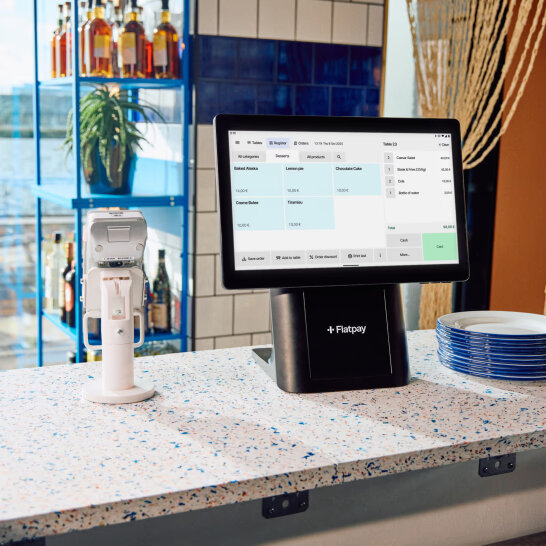
Flatpay supports a variety of payment types, including credit and debit cards, as well as mobile and contactless payments. This enables merchants to accept payments both in physical stores and through mobile or remote channels, accommodating the diverse preferences of modern consumers.
Point-of-Sale System Integration
The platform often integrates with point-of-sale (POS) systems, allowing businesses to manage sales, inventory, and transaction tracking in a unified interface. This integration reduces the administrative burden of juggling multiple platforms for accounting and reporting purposes.
Reporting and Analytics Tools
Flatpay provides dashboards that display transaction history, fees, and settlement timelines. These reporting tools enhance transparency and can help businesses reconcile accounts, identify trends, and monitor cash flow more effectively.
Structured Settlement Options
The platform offers predictable settlement timelines, transferring funds to the merchant according to scheduled intervals. This reliability supports better cash flow management, particularly for businesses that rely on consistent income to cover operational expenses.
Common Use Cases
Retail Stores
Small and medium-sized retailers often require payment solutions that are easy to set up and manage. Flatpay’s simple pricing model and broad payment support make it suitable for shops, boutiques, and cafes.
Mobile and Service-Based Businesses
Service providers, freelancers, and technicians who operate in the field benefit from portable payment processing options. Flatpay allows these users to accept payments on-site using mobile devices or compatible terminals.
Restaurants and Hospitality
High-transaction environments like restaurants and cafés can benefit from Flatpay’s predictable fees and quick settlement schedules. The platform can help maintain operational efficiency during busy periods.
Temporary or Event-Based Businesses
Pop-up stores, market stalls, and exhibition booths often need flexible payment solutions that can be set up quickly. Flatpay accommodates these scenarios, allowing for temporary deployment without complex infrastructure.
Small and Growing Enterprises
Businesses expanding from cash-only models to digital payments often seek simple, easy-to-understand tools. Flatpay’s usability and straightforward pricing align well with these needs.
Potential Advantages
Predictable Costs
Flatpay’s flat-rate fee model reduces uncertainty in transaction expenses. Businesses can estimate costs accurately, making budgeting and financial planning easier.
Ease of Use
The platform is designed for accessibility, enabling users without technical expertise to operate it effectively. Minimal setup and intuitive interfaces reduce onboarding time.
Streamlined Operations
Integration with POS systems and reporting tools allows businesses to centralize financial data, reducing the need for manual reconciliation and improving operational efficiency.
Flexibility in Payment Acceptance
By supporting multiple payment types, Flatpay helps businesses cater to customer preferences, improving the overall transaction experience.
Administrative Simplicity
Simplified reporting and consistent fees reduce the workload associated with accounting and payment management.
Limitations & Considerations
Not Always Cost-Optimal for High Volume
While flat-rate fees are straightforward, businesses with very high transaction volumes may find other pricing models, like interchange-plus, more cost-efficient.
Limited Advanced Features
Flatpay focuses on core payment processing rather than advanced functionalities. Enterprises requiring subscription billing, international payments, or detailed financial analytics may need additional tools.
Regional Constraints
Payment processors must comply with local regulations. Flatpay’s availability may be limited depending on the country or region.
Hardware Requirements
In-person transactions may require compatible terminals or devices. Businesses must ensure existing hardware aligns with Flatpay’s specifications.
Customization Limitations
Compared with enterprise-grade platforms, Flatpay may offer fewer options for specialized workflows or integrations.
Who Should Consider Flatpay
Flatpay is suitable for:
- Small and medium-sized businesses
- Retailers seeking transparent payment processing
- Service providers needing mobile payment solutions
- Entrepreneurs adopting digital payments for the first time
- Businesses prioritizing operational simplicity over advanced customization
Who May Want to Avoid It
Flatpay may not meet the needs of:
- Large enterprises with complex payment requirements
- Businesses with extremely high transaction volumes seeking optimized fee structures
- Companies operating across multiple countries
- Organizations needing detailed analytics or advanced integrations
- Businesses requiring extensive customization for specialized workflows
Comparison With Similar Tools
Traditional Merchant Services vs. Flatpay
Traditional processors often involve tiered or variable pricing with multiple hidden fees. Flatpay simplifies this, prioritizing predictability over potential cost optimization for large transactions.
Fintech Platforms vs. Flatpay
Many fintech platforms combine payments with invoicing, subscription management, and analytics. Flatpay focuses on core transaction processing, making it simpler but less feature-rich.
Mobile Payment Apps vs. Flatpay
Mobile payment apps prioritize portability and convenience. Flatpay shares these characteristics but often integrates more fully with POS systems, providing additional operational support.
Enterprise Payment Systems vs. Flatpay
Enterprise solutions offer extensive customization, international capabilities, and advanced analytics. Flatpay is streamlined and better suited for small to medium-sized businesses with standard payment requirements.
Final Educational Summary
Flatpay occupies a unique space at the intersection of business operations and financial technology. While technically a fintech platform, its value is primarily realized through practical business use—processing payments, managing cash flow, and simplifying administrative work.
Its flat-rate pricing, multi-channel support, and integration capabilities make it accessible for small to medium-sized businesses. However, its simplicity may be limiting for enterprises with complex workflows, international operations, or high-volume transactions. Recognizing this distinction clarifies Flatpay’s role as a business tool powered by technology, rather than as a purely technical solution.
Disclosure: This article is for educational and informational purposes only. Some links on this website may be affiliate links, but this does not influence our editorial content or evaluations.
