Introduction
Businesses today rely heavily on accurate information when identifying potential clients, partners, or professional connections. However, collecting reliable contact details and organizing prospect data can be time-consuming when done manually. Many professionals still depend on spreadsheets, online searches, and scattered sources, which often leads to incomplete or outdated information.
Semaless is designed to simplify this early stage of business outreach by helping users discover and organize professional contact data within a structured digital environment. Instead of replacing customer management systems, the platform focuses on improving how leads are researched and prepared before communication begins.
What Is Semaless?
Semaless is a sales intelligence and lead research platform created to help professionals locate business contacts and manage prospect information efficiently. The platform gathers professional data into a searchable system, allowing users to identify individuals based on company roles, industries, or organizational characteristics.
Rather than functioning as a communication or marketing automation tool, Semaless primarily supports the research phase of outreach workflows. Its purpose is to reduce manual effort involved in finding decision-makers and organizing potential leads.
Key Features Explained
Advanced Lead Discovery System
Semaless allows users to search for professionals using filters such as job titles, company types, and industries. This structured filtering helps narrow results to more relevant prospects instead of broad, unfocused searches across multiple websites.
The discovery process aims to make lead identification faster while maintaining organized datasets for future use.
Contact Data Enrichment
Basic contact information can be enhanced through enrichment features that add contextual business details. These additions may include company background information or professional positioning, helping users better understand potential contacts before outreach.
Enriched data supports more informed decision-making during lead selection.
Centralized Lead Organization
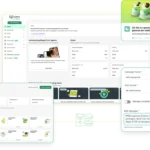
Semaless provides a workspace where discovered contacts can be grouped into lists or categories. Users can organize leads based on campaigns, research goals, or industry segments.
This centralized approach reduces dependency on manual tracking methods such as spreadsheets and helps maintain consistency across projects.
Browser-Based Research Workflow
The platform integrates research workflows directly into browsing activities, allowing users to capture and review contact information while exploring professional websites or directories.
This reduces interruptions between research and data storage, improving overall workflow efficiency.
Lightweight Contact Management
Although not a full CRM system, Semaless includes simple management features for reviewing and maintaining collected leads. Users can revisit stored contacts and manage research outputs without needing separate organizational tools.
These features are designed primarily for preparation stages rather than long-term customer tracking.
Common Use Cases
Semaless can support multiple professional scenarios depending on how outreach or research workflows are structured.
Sales teams may use the platform to build targeted prospect lists before launching communication campaigns. Structured filtering helps them focus on relevant industries or company sizes aligned with business goals.
Recruiters can apply similar workflows when sourcing candidates by professional role or company background. Organized search results reduce sourcing time and improve candidate tracking.
Startup founders and independent professionals may use lead discovery tools to identify early customers, collaborators, or partners without building complex systems.
Market researchers may also analyze industry segments by reviewing grouped professional data collected through structured searches.
Potential Advantages
One of the main advantages of Semaless is workflow simplification. Bringing discovery and organization into a single interface can reduce the need for multiple research tools.
The filtering system helps users maintain focused prospect lists, which may improve efficiency during early outreach preparation.
Centralized storage also improves data consistency, allowing teams to revisit and reuse research instead of repeating manual searches.
For smaller organizations, lightweight management features may provide enough structure without requiring advanced enterprise software.
Limitations & Considerations
Like most sales intelligence platforms, data accuracy depends on available sources, meaning users may still need to verify information before communication.
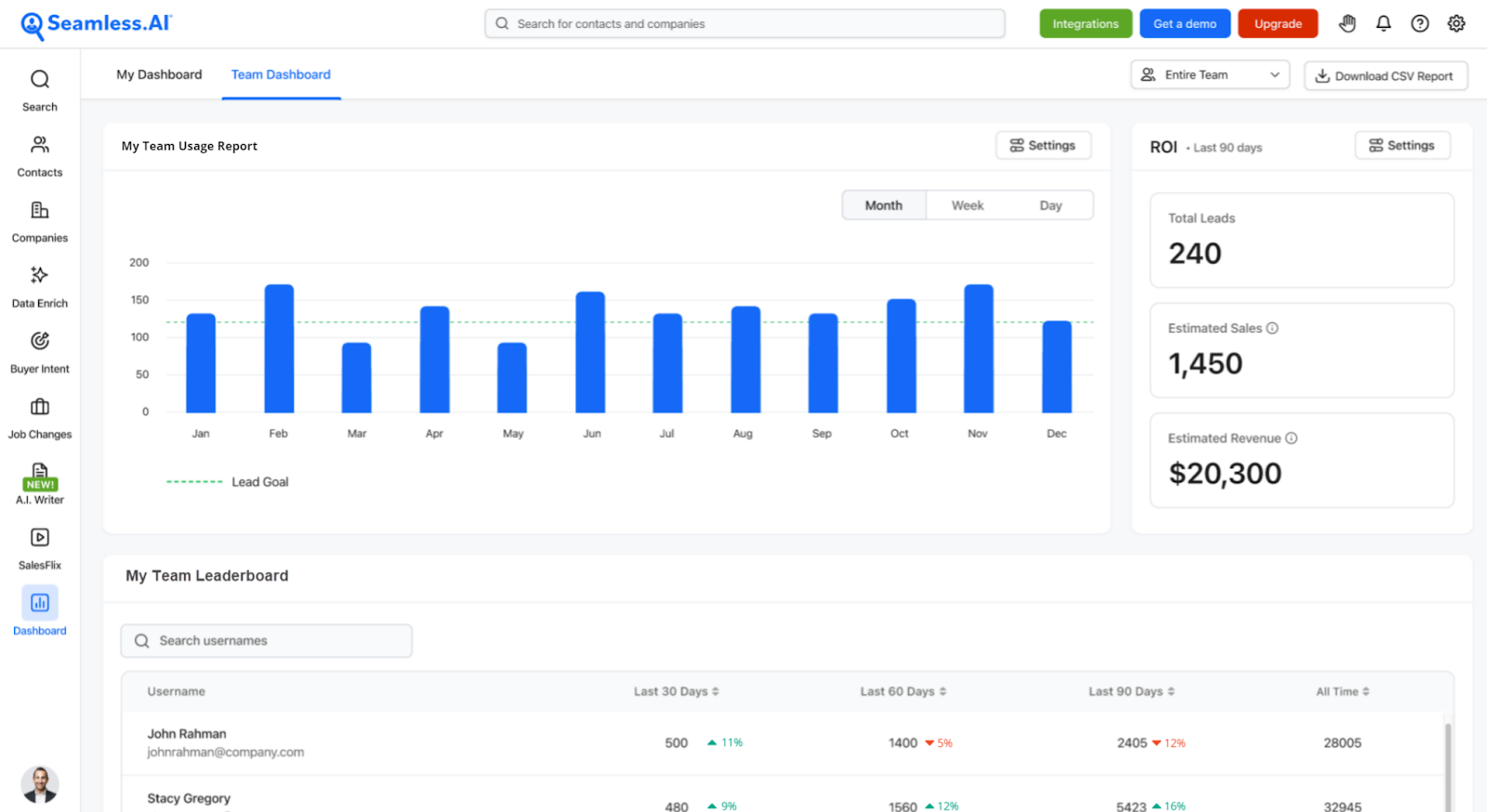
Semaless focuses mainly on lead discovery rather than complete sales pipeline management. Organizations requiring automation workflows, analytics dashboards, or communication tracking may need additional tools.
New users may also require time to understand filtering systems and organizational methods, especially if transitioning from manual research processes.
Additionally, professionals should remain aware of privacy regulations and responsible data usage practices when working with contact information.
Who Should Consider Semaless
Semaless may be suitable for professionals who regularly perform prospect research and want a structured environment for collecting business contact data.
Small sales teams, consultants, recruiters, and startups preparing outreach strategies may benefit from simplified research workflows.
Users who prioritize organized lead discovery over complex automation systems may find the platform aligned with their needs.
Who May Want to Avoid It
Organizations already using advanced CRM ecosystems may experience overlapping functionality, making additional discovery tools less necessary.
Teams looking for built-in marketing automation or full relationship lifecycle tracking may require more comprehensive platforms.
Users expecting fully verified real-time databases should also plan for independent validation processes.
Comparison With Similar Tools
Compared with traditional CRM platforms, Semaless emphasizes early research rather than ongoing customer management. CRM systems typically focus on tracking relationships after communication begins.
Compared with manual prospect research, the platform offers structured searching and centralized organization, which may reduce time spent gathering information.
Enterprise intelligence solutions may provide deeper integrations or analytics, but they often introduce additional complexity beyond basic research needs.
Final Educational Summary
Semaless represents a category of digital tools focused on improving how professionals discover and organize business contacts. By combining searchable databases with lightweight management features, the platform attempts to streamline the preparation stage of outreach workflows.
It may help reduce manual research effort and create more structured prospect datasets, particularly for individuals or smaller teams. However, it should be understood primarily as a research support platform rather than a complete sales management system.
Evaluating both benefits and limitations allows users to determine whether tools like Semaless fit their workflow requirements and data practices.
Disclosure
This content is created strictly for educational and informational purposes. It does not promote, recommend, or encourage the purchase or use of any specific software or service. Readers should independently evaluate tools according to their operational requirements and professional standards.