
Introduction
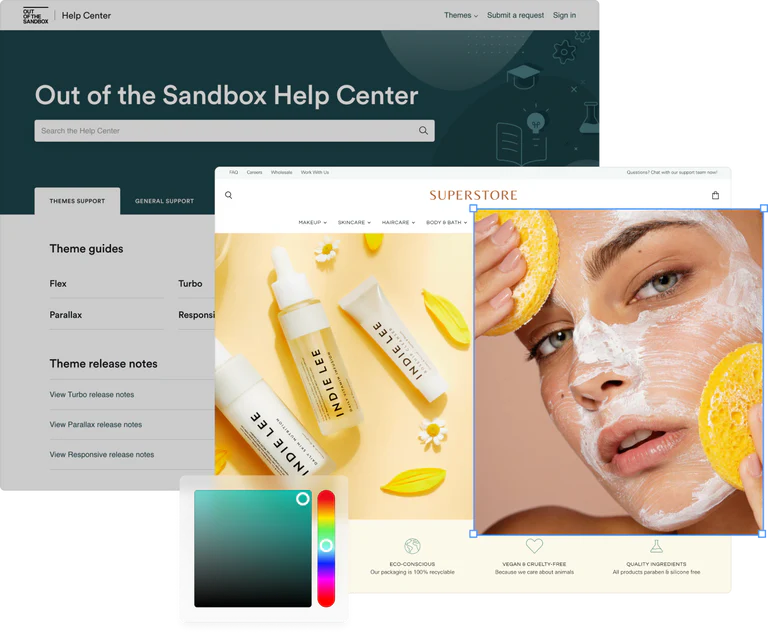
Building an eCommerce store on platforms like Shopify often requires choosing a theme that controls layout, speed, and user experience. Theme providers offer pre-designed templates that reduce the need for custom development, but they vary in flexibility, performance, and maintenance requirements.
One such provider is Out of the Sandbox, which focuses on premium Shopify themes and related tools. This article explains how it works, what it offers, and where it may or may not be suitable.
What Is Out of the Sandbox?
Out of the Sandbox is a company that designs and distributes themes specifically for Shopify stores. These themes are used to control the visual structure and functionality of online shops.
The company offers themes directly through its official website and the Shopify Theme Store. It does not operate a reseller network, and themes are licensed for individual store use.
It also provides a supporting tool called “Theme Updater & Backups,” which helps users manage updates and maintain theme versions.
Explore Out Of The Sandbox Features
Key Features Explained
1. Pre-Built Shopify Themes
The platform offers multiple themes such as Turbo, Flex, Retina, and Parallax. Each theme is designed for different types of stores, including high-volume catalogs or niche industries.
2. Customization Controls
Themes include built-in settings for layout, navigation, headers, and footers. Users can modify elements like menus, logos, and page structures without coding in many cases.
3. Theme Updater Tool
A dedicated updater tool allows users to:
- Receive update notifications
- Apply new versions
- Transfer some existing settings (in advanced plans)
4. Shopify Compatibility
Themes are built to work with Shopify’s system features such as:
- Product media handling
- Dynamic checkout buttons
- Filtering and navigation tools
5. Licensing Model
Each theme license typically applies to one store. Transferring a theme may require conditions such as closing the original store.
Common Use Cases
Out of the Sandbox themes are typically used in:
- Shopify-based online stores
- Businesses needing pre-built store layouts
- Agencies or developers building stores for clients
- Stores with medium to large product catalogs
Potential Advantages
One advantage is access to multiple theme styles tailored to different business types, which can reduce development time.
Another benefit is structured customization options, allowing users to adjust layouts without modifying code extensively.
The presence of a theme updater tool can also help maintain compatibility with Shopify updates, especially for users managing long-term stores.
Limitations & Considerations
Theme licensing is restrictive, as each purchase is generally tied to a single store. This can limit reuse across multiple projects.
Some users report challenges related to updates, support responsiveness, or technical limitations depending on customization level.
Additionally, heavily customized stores may face difficulty when upgrading themes, since updates can overwrite previous changes.
Who Should Consider Out Of The Sandbox
- Shopify users looking for structured, pre-designed themes
- Developers or agencies working within Shopify ecosystem
- Stores that prefer ready-made layouts instead of custom coding
Who May Want to Avoid Out Of The Sandbox
- Users needing multi-store licensing flexibility
- Businesses requiring fully custom design control
- Stores with complex customizations that require frequent updates
Comparison With Similar Tools
Compared to other Shopify theme providers:
- Some alternatives focus on simplicity and lower cost
- Others prioritize performance optimization or minimal design
- Out of the Sandbox tends to offer feature-rich themes with more configuration depth
The choice depends on whether flexibility or simplicity is more important for the store.
Final Educational Summary
Out of the Sandbox provides a collection of Shopify-specific themes designed to help businesses structure their online stores without building from scratch.
It offers customization features, update tools, and multiple theme options, but also comes with considerations around licensing, updates, and support expectations.
Understanding these factors can help users decide whether a pre-built theme solution fits their store requirements.
Disclosure
This article is written for educational and informational purposes only. It does not promote or recommend any product or service. The goal is to provide a neutral overview based on publicly available information so readers can make independent decisions.
