
Introduction
Starting a company in the United States can be confusing, especially for international founders. The process includes selecting a state, filing formation documents, applying for an EIN, opening a bank account, managing bookkeeping, and staying compliant with federal and state tax rules.
Many entrepreneurs use separate providers for legal formation, accounting, and tax filing. This increases cost and coordination effort. Doola positions itself as a unified solution that combines company formation with ongoing financial and compliance support in one system.
What Is Doola
Doola is a business services platform designed to help entrepreneurs form and manage a US company. Its services generally include:
- LLC or C-Corporation formation
- EIN (Employer Identification Number) application support
- Registered agent services
- Bookkeeping and financial reporting
- Tax filing assistance
- Compliance monitoring
The platform is commonly used by non-US founders who want to establish a US business entity without navigating the entire process independently.
Key Features Explained
1. US Company Formation
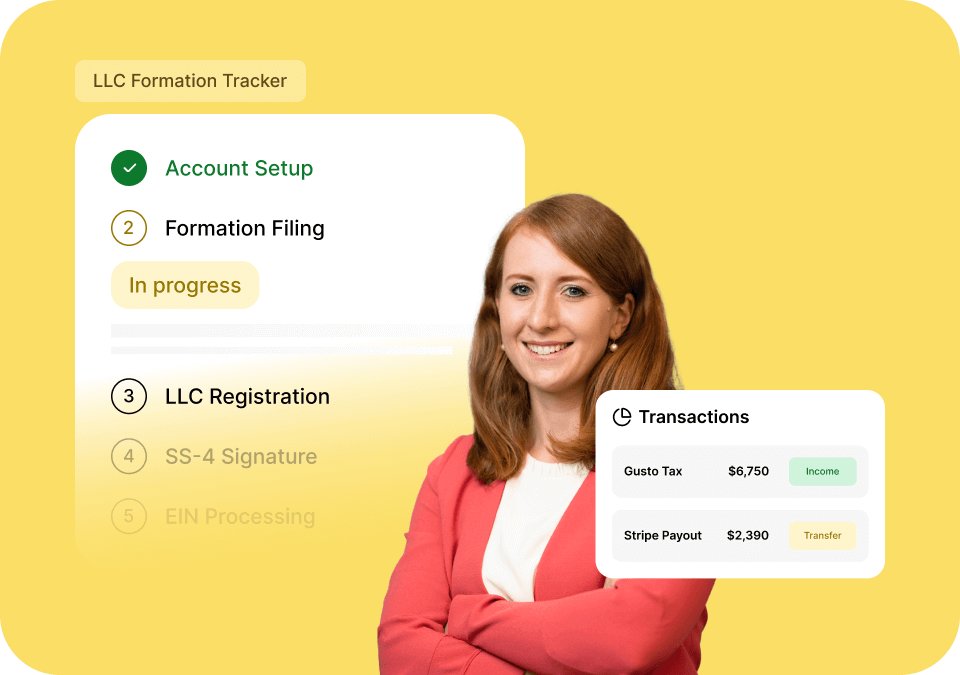
Doola assists with forming an LLC or corporation in selected US states. The service typically includes document preparation and filing with the relevant state authority.
For first-time founders, this reduces the need to manually interpret state-specific filing requirements.
2. EIN Application Support
An EIN is required for tax reporting, opening business bank accounts, and hiring employees. The platform helps users apply for an EIN through the IRS process, particularly useful for non-US founders who may not have a Social Security Number.
3. Registered Agent Service
Most US states require businesses to appoint a registered agent with a physical US address. Doola provides this service so companies can legally receive official notices and compliance documents.
4. Bookkeeping System
The platform includes bookkeeping tools that allow business owners to:
- Track income and expenses
- Connect financial accounts
- Categorize transactions
- Generate financial summaries
This can help founders maintain organized records throughout the year instead of preparing documents only at tax time.
5. Tax Filing Assistance
Doola offers support for annual federal and state tax filings. Depending on the subscription plan, users may receive guidance or full preparation support from accounting professionals.
6. Compliance Monitoring
Businesses in the US must file annual reports and meet ongoing compliance deadlines. The system provides reminders and assistance to reduce the risk of missed filings.
Common Use Cases
Doola is commonly considered in the following scenarios:
- International founders launching a US-based SaaS or e-commerce company
- Digital entrepreneurs who want a US LLC for payment processing access
- Amazon, Shopify, or online marketplace sellers needing bookkeeping support
- Early-stage startups that prefer a bundled back-office system
It is generally more relevant for small to mid-size businesses rather than large enterprises.
Potential Advantages
Simplified Process
Combining formation, bookkeeping, and tax services under one platform reduces the need to coordinate multiple providers.
International Founder Accessibility
Non-US entrepreneurs may find it easier to navigate EIN applications and state filings with guided support.
Centralized Dashboard
Financial tracking, compliance reminders, and document storage are typically organized in one place.
Reduced Administrative Burden
Instead of hiring separate accountants and formation services, some founders may prefer a bundled subscription model.
Limitations & Considerations
Cost Compared to DIY Filing
Filing directly with a US state government is often less expensive than using a service platform. Entrepreneurs comfortable handling paperwork independently may find DIY options more cost-effective.
Ongoing Subscription Structure
Some services are subscription-based. Founders should carefully review recurring costs, included features, and cancellation policies.
State-Specific Legal Complexity
Certain states have additional tax and compliance rules. In complex cases, independent legal or tax professionals may still be necessary.
Not a Replacement for Custom Legal Advice
For venture-backed startups or companies with complex ownership structures, a traditional law firm may provide more tailored guidance.
Who Should Consider Doola
- Non-US founders seeking US entity formation
- First-time entrepreneurs unfamiliar with US compliance requirements
- Online business owners needing integrated bookkeeping support
- Small startups preferring a single provider for back-office tasks
Who May Want to Avoid It
- Entrepreneurs comfortable filing directly with state authorities
- Businesses requiring advanced corporate structuring
- Companies needing specialized tax planning beyond standard filings
- Founders seeking the lowest possible formation cost
Comparison With Similar Tools
Below is a neutral comparison with other common business formation providers:
| Provider | Core Focus | Typical Strength |
|---|---|---|
| Doola | Formation + bookkeeping + compliance | Integrated back-office system |
| LegalZoom | Legal documents & entity formation | Broad legal service catalog |
| Firstbase | Startup formation for global founders | Structured onboarding process |
| Northwest Registered Agent | Registered agent & formation services | Strong registered agent specialization |
Each platform differs in pricing structure, support depth, and included services. Founders should evaluate:
- Whether bookkeeping is included
- Whether tax filing is bundled or separate
- Ongoing compliance costs
- Customer support responsiveness
Final Educational Summary
Doola is designed to simplify US company formation and back-office management by combining multiple administrative services into a single platform. For international entrepreneurs or first-time founders, the bundled model may reduce complexity and centralize essential tasks such as EIN application, bookkeeping, and compliance tracking.
However, cost structure, subscription commitments, and the level of support required should be evaluated carefully. Businesses with complex legal needs may still require external advisors.
As with any formation platform, the best choice depends on business size, growth plans, compliance needs, and budget.
Disclosure
This article is for educational and informational purposes only. Some links on this website may be affiliate links, but this does not influence our editorial content or evaluations.
