In the digital age, a website is more than just an online presence—it is a business tool, a brand identity, and a marketing engine. To stand out in a competitive online world, websites must be fast, visually appealing, mobile-friendly, and search-engine optimized. Webflow is a modern website design and development platform created to meet all these needs in one place.
Webflow allows users to design, build, and launch professional websites without depending on traditional coding or multiple tools. It combines design freedom, performance, and content management into a single powerful system, making it a preferred choice for designers, businesses, and marketers worldwide.
What Is Webflow?
Webflow is an all-in-one no-code website builder that gives users complete control over design and layout. Unlike basic website builders that rely on fixed templates, Webflow allows you to build fully custom websites visually while automatically generating clean and optimized code in the background.
This means you get the flexibility of professional development with the simplicity of a visual editor. From simple landing pages to large business websites, Webflow can handle projects of any size.
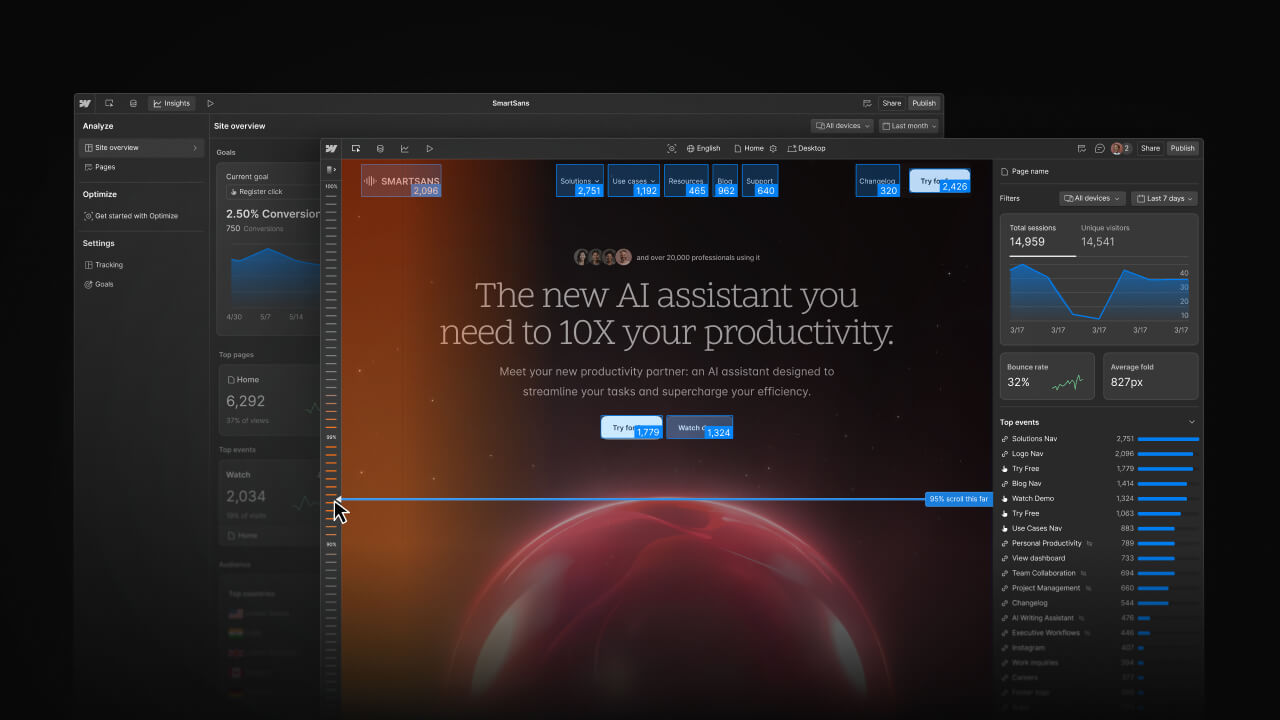
Discover Powerful Webflow Tools
Why Webflow Is a Smart Choice for Website Creation
Webflow is built for people who want creative freedom without technical limitations. It removes the gap between designers and developers by offering a visual interface that reflects real web standards.
What Makes Webflow Unique:
- Design without layout restrictions
- Pixel-perfect control over elements
- Real-time visual editing
- Automatic clean code generation
- Built-in performance optimization
This approach allows users to create websites that look custom-built rather than template-based.
Webflow Design Capabilities
Webflow’s design system is one of its strongest features. You can customize every detail of your website, including typography, spacing, colors, grids, and animations.
The visual editor works like a professional design tool, allowing you to:
- Build layouts from scratch
- Create reusable components
- Design responsive pages
- Apply advanced styling options
This makes Webflow ideal for users who want full creative control without sacrificing usability.
Responsive Design Made Easy
Today, most users browse websites on mobile devices. Webflow ensures that every website is fully responsive by default.
You can adjust designs separately for:
- Desktop screens
- Tablets
- Mobile devices
This guarantees a consistent and smooth user experience across all screen sizes, which also improves search engine rankings.
Webflow CMS for Easy Content Management
Webflow includes a powerful and flexible Content Management System (CMS). It allows users to manage blogs, portfolios, case studies, products, and dynamic pages easily.
With Webflow CMS, you can:
- Add and edit content without affecting design
- Create dynamic collections
- Update pages without technical skills
- Maintain content consistency
This makes it perfect for businesses that update content regularly.
Built-In Hosting and Performance
Webflow removes the need for third-party hosting services. It provides fast, secure, and reliable hosting built directly into the platform.
Hosting Benefits:
- High website speed
- Automatic SSL security
- Global content delivery
- Regular backups
Fast loading speed improves user experience and helps websites rank higher on Google.
SEO Advantages of Webflow
Webflow is designed with SEO best practices in mind. It allows complete control over technical SEO elements, which is essential for organic growth.
SEO-Friendly Features:
- Clean and structured code
- Custom meta titles and descriptions
- Optimized URLs
- Image alt text control
- Mobile-friendly structure
These features help websites get indexed faster and perform better in search engine results.
Webflow for Businesses and Professionals
Webflow is suitable for a wide range of users, from individuals to large companies.
Ideal Users:
- Small and medium businesses
- Freelancers and designers
- Marketing agencies
- Startups and entrepreneurs
- Content creators and bloggers
Businesses use Webflow to create conversion-focused websites that look professional and perform well.
Webflow vs Traditional Website Development
Traditional website development often requires designers, developers, hosting providers, and maintenance teams. This process can be slow and expensive.
Webflow simplifies everything by offering:
- Faster website creation
- Lower development costs
- Easy updates and changes
- No dependency on developers
This makes Webflow a modern alternative to traditional development methods.
Common Uses of Webflow
Webflow can be used to build many types of websites, including:
- Business and corporate websites
- Landing pages for marketing campaigns
- Personal portfolios
- Blogs and content websites
- E-commerce stores
Its flexibility allows users to grow and scale their websites as needed.
Reliability and Security
Webflow provides enterprise-level security features, ensuring that websites remain protected and stable. With built-in security measures and continuous updates, users don’t need to worry about maintenance or vulnerabilities.
This reliability makes Webflow a trusted platform for long-term projects.
Final Conclusion
Webflow is a complete website design and development solution for modern users. It combines visual creativity, performance, SEO, and ease of use into a single platform. Whether you are launching a new business, redesigning an existing website, or building a professional online presence, Webflow offers the tools needed to succeed.
If you want a fast, scalable, and visually stunning website without coding complexity, Webflow is a smart and future-ready choice.