Introduction
Organizations increasingly rely on digital systems to manage communication, scheduling, customer interactions, and internal workflows. As the volume of digital tasks grows, teams often face challenges related to efficiency, coordination, and information management. Many routine activities—such as responding to emails, organizing meetings, extracting data from documents, or updating internal tools—require repeated manual effort.
To address these operational challenges, a category of software known as AI automation platforms has emerged. These systems use artificial intelligence to automate repetitive digital tasks, integrate with existing tools, and assist with workflow management. Instead of performing every step manually, users can delegate certain processes to AI-driven agents that operate based on predefined instructions.
One example within this category is Lindy AI, a platform designed to help individuals and organizations automate tasks using AI-powered agents. By combining artificial intelligence with workflow automation principles, the platform attempts to streamline common digital operations such as communication management, task execution, and data handling.
Understanding how such platforms function is important for evaluating their role in modern digital workflows. This article examines the structure, functionality, and potential applications of Lindy AI from an educational perspective.
What Is Lindy AI?
Lindy AI is an artificial intelligence automation platform that enables users to create AI-powered agents capable of performing digital tasks. These agents can interact with various tools, process information, and execute actions based on defined workflows.
At its core, Lindy AI belongs to the broader field of AI workflow automation. Platforms in this category aim to reduce manual intervention in routine digital activities by combining machine learning, natural language processing, and task automation.
Lindy AI focuses particularly on creating customizable AI assistants—sometimes referred to as AI agents—that can carry out sequences of tasks. These agents may interact with external services such as email systems, calendars, document storage platforms, or customer management software.
The concept behind such platforms reflects a broader trend in digital operations: the transition from simple automation scripts toward intelligent systems capable of interpreting instructions and adapting to different contexts.
From a classification standpoint, Lindy AI can be described as a combination of:
- AI agent creation platform
- Workflow automation software
- Business productivity tool
- AI-powered task management system
Its functionality centers on building automated processes that operate through integrations with existing digital tools.
Key Features Explained
AI Agent Creation
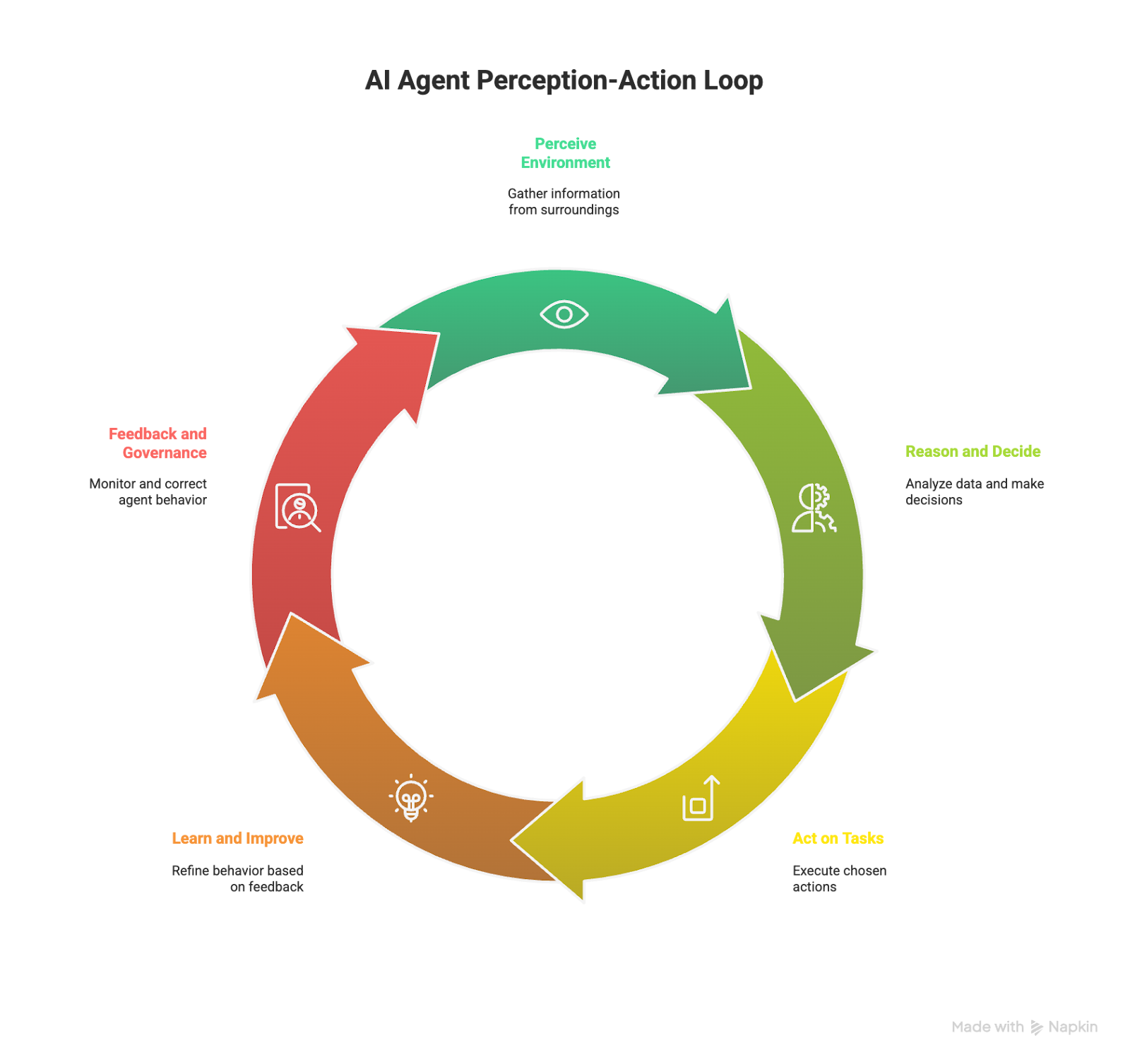
One of the core functions of Lindy AI is the ability to create automated agents that perform specific tasks. Users define instructions, conditions, and triggers, allowing the agent to operate within a digital workflow.
These agents may perform tasks such as reading messages, extracting relevant information, or sending responses based on predefined logic.
Workflow Automation
Automation workflows allow multiple actions to occur sequentially. For example, a workflow could involve receiving an email, extracting key information, updating a database entry, and notifying a team member.
Within Lindy AI, workflows are typically structured using step-by-step logic. Each step determines how the AI should respond to new data or events.
Integration With External Tools
AI automation platforms generally operate within broader software ecosystems. Lindy AI integrates with common digital tools used for communication, productivity, and collaboration.
These integrations enable automated agents to access information and perform actions across multiple systems without requiring manual data transfers.
Natural Language Processing
Natural language processing allows the platform to interpret written or spoken instructions and process textual information. This capability enables AI agents to analyze emails, documents, and messages.
For example, an AI agent might identify meeting requests within email content or extract structured data from unstructured text.
Task Scheduling and Trigger Systems
Automation typically relies on triggers that activate workflows. These triggers may include:
- Receiving a new email
- Calendar events
- Form submissions
- Database updates
Once triggered, the AI agent performs the tasks defined within the workflow.
Document and Data Processing
Many organizations work with large volumes of documents, messages, and digital records. Lindy AI includes capabilities for analyzing textual data and extracting relevant information.
This function may support workflows that involve summarization, classification, or routing of information within an organization.
Multi-Step AI Decision Logic
More advanced workflows may involve conditional logic. For instance, an agent might evaluate the content of a message and decide which action to take based on specific criteria.
This type of logic allows automation processes to adapt to different situations rather than following a rigid script.
Common Use Cases
AI workflow automation platforms serve a variety of operational contexts. Lindy AI is often applied in environments where repetitive digital tasks occur frequently.
Email and Communication Management
One potential application involves handling routine communication tasks. AI agents may assist with sorting messages, generating draft responses, or identifying important requests.
This approach can help manage high volumes of email correspondence.
Meeting Coordination
Scheduling meetings often involves multiple steps such as reviewing availability, confirming times, and sending calendar invitations.
AI automation systems may streamline these processes by managing scheduling interactions automatically.
Customer Support Assistance
Organizations with customer service operations may use automation platforms to handle initial responses, route inquiries to appropriate departments, or summarize customer interactions.
Such systems may support support teams by managing repetitive aspects of communication.
Data Extraction and Organization
Businesses frequently receive documents containing structured information such as invoices, reports, or application forms. AI automation tools can analyze these documents and extract relevant data fields.
The extracted data may then be stored in databases or internal systems.
Internal Workflow Coordination
Teams often rely on multiple tools for project management, communication, and documentation. AI automation can connect these tools and ensure information flows between them.
For example, updates in one system may automatically trigger notifications or updates in another.
Research and Information Gathering
Some workflows involve collecting data from multiple sources and organizing it for review. AI agents can assist by gathering information, summarizing content, and compiling reports.
Potential Advantages
Automation platforms such as Lindy AI offer several potential operational benefits when used in appropriate contexts.
Reduction of Repetitive Tasks
One of the primary motivations for adopting workflow automation is the reduction of repetitive manual work. By automating routine processes, teams may focus more on tasks requiring human judgment.
Improved Workflow Consistency
Automated workflows execute tasks according to predefined instructions. This can reduce variability in how processes are performed and may support standardized operational procedures.
Integration Across Digital Tools
Many organizations use multiple software platforms simultaneously. Automation systems help connect these tools and facilitate information exchange between them.
Time Management Efficiency
Routine processes such as scheduling meetings or organizing communication can consume significant time. Automating these activities may improve efficiency within digital workflows.
Scalability of Routine Operations
When communication volume or document processing needs increase, manual workflows can become difficult to manage. Automated systems may handle larger workloads without requiring proportional increases in manual labor.
Limitations & Considerations
Despite their capabilities, AI automation platforms also present certain limitations and practical considerations.
Dependence on Workflow Design
Automation systems rely heavily on the structure of workflows defined by users. Poorly designed workflows may produce unintended results or fail to handle exceptions.
Careful planning is therefore necessary when building automation processes.
Integration Constraints
Although platforms like Lindy AI support integrations with various tools, compatibility may depend on available APIs or system configurations. Some workflows may require additional configuration to operate effectively.
Data Privacy Concerns
Automation platforms often interact with sensitive information such as emails, documents, or customer records. Organizations must evaluate how data is processed, stored, and protected within the platform.
Learning Curve
While many automation tools aim to simplify workflow creation, users may still require time to understand how triggers, conditions, and integrations operate.
This learning process can influence how quickly teams adopt the platform.
AI Interpretation Limitations
Artificial intelligence systems may occasionally misinterpret text or context, particularly when dealing with ambiguous language or complex documents.
Human oversight may therefore remain necessary in some workflows.
Who Should Consider Lindy AI
AI workflow automation platforms are generally relevant for organizations and professionals dealing with high volumes of digital tasks.
Examples include:
- Operations teams managing repetitive processes
- Customer support departments handling large message volumes
- Administrative staff coordinating schedules and communications
- Digital businesses relying on multiple integrated software tools
- Research teams working with large amounts of textual information
Individuals who regularly manage digital workflows across several platforms may find automation tools useful for reducing manual coordination tasks.
Who May Want to Avoid It
Automation platforms may not be necessary in every environment. Some situations where Lindy AI may be less relevant include:
- Very small workflows with minimal repetitive tasks
- Organizations that rely heavily on manual oversight for sensitive operations
- Teams without technical resources for configuring integrations
- Work environments where automation policies restrict AI access to internal systems
In such cases, traditional workflow management approaches may remain more appropriate.
Comparison With Similar Lindy AI
Lindy AI operates within a broader ecosystem of automation and AI productivity platforms. Several other systems offer related capabilities, though their design priorities may differ.
For example, Zapier focuses on connecting thousands of web applications through automation triggers and actions. While Zapier primarily uses rule-based workflows, some AI features have been introduced in recent versions.
Another widely recognized platform is Make, which provides visual workflow automation with detailed customization options for complex processes.
Additionally, AutoGPT represents a different approach, emphasizing autonomous AI agents capable of carrying out broader tasks with less structured workflow design.
Compared with these tools, Lindy AI places particular emphasis on AI-driven task execution and communication management. Its structure revolves around creating AI agents that can interpret instructions and operate across integrated digital tools.
Each platform reflects different philosophies regarding automation—some prioritizing structured workflows, others focusing on AI decision-making.
Final Educational Summary
The increasing complexity of digital workflows has led to the development of software platforms designed to automate routine tasks and coordinate information across multiple systems. AI-powered automation platforms represent a newer generation of tools that combine machine learning with workflow management.
Lindy AI functions as an AI automation platform that enables users to create agents capable of handling communication tasks, organizing information, and executing multi-step workflows. Through integrations with external tools and the use of natural language processing, these agents can assist with various operational processes.
Like many AI productivity tools, Lindy AI offers potential advantages in terms of efficiency, workflow consistency, and scalability. At the same time, its effectiveness depends heavily on workflow design, integration compatibility, and responsible data management practices.
Understanding how such platforms operate helps organizations evaluate whether automation aligns with their operational needs. As AI continues to influence digital work environments, platforms that combine automation with intelligent processing are likely to remain an area of active development and research.
Disclosure:
Disclosure: This article is for educational and informational purposes only. Some links on this website may be affiliate links, but this does not influence our editorial content or evaluations