Introduction
Small and medium-sized businesses often face operational challenges when managing payments to vendors, contractors, and suppliers. Traditional accounts payable processes frequently rely on manual data entry, paper invoices, mailed checks, and fragmented tracking systems. These workflows can create delays, reduce visibility into outgoing cash flow, and increase the likelihood of human error.
As businesses increasingly adopt cloud-based financial tools, a category of software known as digital accounts payable platforms has emerged to address these issues. These systems aim to streamline how businesses schedule, send, and track payments while integrating with accounting software and financial records.
Within this category, Melio represents a platform designed to simplify the process of paying business bills electronically while maintaining compatibility with traditional payment methods such as checks. Rather than replacing existing accounting systems entirely, tools like Melio typically operate as a complementary layer that focuses specifically on payment management.
Understanding how platforms in this category function can help organizations evaluate whether they align with their operational needs, accounting practices, and financial workflows.
What Is Melio?
Melio is a digital accounts payable platform designed to help businesses manage and process vendor payments. It is generally categorized within the broader field of payment automation software and accounts payable management tools.
The platform focuses on simplifying how businesses handle outgoing payments while allowing flexibility in payment methods. Organizations can manage bills, schedule payments, and track transaction activity through a centralized interface. Melio is often used by small businesses, accounting professionals, and finance teams seeking a more organized approach to bill payments.
Unlike full accounting platforms, Melio typically functions as a payment management layer that integrates with bookkeeping systems. Businesses continue maintaining their accounting records in external accounting software while using Melio to execute payments and manage vendor transactions.
A notable aspect of Melio’s approach is the ability to send payments in different formats—even if the receiving party prefers traditional payment methods. In some cases, a payer can use one method (such as a digital transfer) while the recipient receives funds in another format, such as a check.
This design reflects a broader trend in financial technology aimed at bridging modern digital payments with legacy payment practices still used by many suppliers and service providers.
Key Features Explained
Accounts payable platforms often include a range of tools that address invoice management, payment scheduling, and financial oversight. Melio incorporates several functional components that support these workflows.
Bill Payment Management
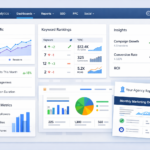
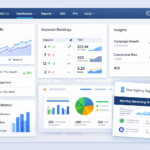
One of the central functions of Melio is managing business bills. Users can input invoice details, attach supporting documentation, and track payment status in a unified dashboard.
This centralized view helps organizations maintain visibility over upcoming obligations and previously processed payments.
Multiple Payment Methods
Melio supports various payment options, which may include:
- Bank transfers
- Debit or credit card payments
- Paper check delivery
The ability to support multiple payment channels can be important for businesses working with vendors who have differing payment preferences.
Payment Scheduling
Scheduling payments in advance allows businesses to coordinate outgoing cash flow more effectively. Finance teams can set specific payment dates based on invoice terms, vendor agreements, or internal budgeting strategies.
Automated scheduling also reduces the need for manual payment processing on the exact due date.
Vendor Management
Vendor management features allow businesses to maintain organized records of suppliers, contractors, and service providers. Contact information, payment preferences, and transaction history may be stored in a structured format.
This organization can be useful when businesses work with numerous vendors or recurring billing relationships.
Accounting Software Integration
Many businesses rely on accounting platforms for bookkeeping, tax reporting, and financial statements. Melio is designed to integrate with common accounting systems so that payment data can synchronize with financial records.
This integration helps maintain consistency between accounts payable activity and accounting ledgers.
Payment Approval Workflows
Organizations that require financial oversight may benefit from approval workflows. These workflows allow designated team members to review or authorize payments before they are finalized.
Such processes are often used in companies with multiple departments or shared financial responsibilities.
International Payments
Some accounts payable tools include options for sending payments internationally. For businesses that work with global suppliers, cross-border payment capabilities can reduce reliance on separate banking systems.
Common Use Cases
Accounts payable platforms like Melio serve various operational contexts. Their usefulness often depends on the scale of the business and the complexity of its payment processes.
Small Business Bill Management
Many small businesses handle vendor payments manually using bank transfers or physical checks. Melio can serve as a centralized location to track invoices, payment deadlines, and vendor details.
Accounting Firm Client Management
Accounting professionals who manage finances for multiple clients may use payment platforms to coordinate vendor payments across different accounts. Tools that support multi-client management can simplify oversight.
Contractor and Freelancer Payments
Businesses that regularly pay contractors or freelance workers may use digital payment tools to streamline recurring payments while maintaining transaction records.
Vendor Payment Coordination
Organizations with numerous vendors can benefit from structured payment tracking. A platform that organizes invoices, due dates, and transaction history may reduce administrative overhead.
Cash Flow Planning
Payment scheduling tools allow businesses to align outgoing payments with expected revenue or budget timelines. This can support more predictable financial management.
Potential Advantages
Accounts payable platforms offer several operational benefits when compared to manual payment workflows. While outcomes vary depending on business structure, certain advantages are commonly discussed.
Reduced Administrative Work
Automated payment scheduling and centralized bill tracking can reduce the amount of manual data entry required for routine financial tasks.
Improved Payment Visibility
Digital dashboards typically provide real-time information about pending, scheduled, and completed payments. This visibility can help finance teams monitor obligations and financial commitments.
Flexible Payment Methods
Supporting multiple payment formats allows businesses to accommodate vendors with different preferences without maintaining separate payment processes.
Organized Vendor Records
Maintaining structured vendor profiles and payment histories can simplify recordkeeping and assist with financial reviews.
Integration With Accounting Systems
When payment data synchronizes with bookkeeping software, it may reduce discrepancies between financial records and actual payment activity.
Limitations & Considerations
Although payment automation tools can improve operational efficiency, they may also present limitations depending on the specific business environment.
Dependence on Integration
Businesses that rely heavily on accounting software may need to ensure compatibility between platforms. Integration issues can create duplicate work if data synchronization fails.
Transaction Fees
Certain payment methods within digital payment platforms may involve processing fees. Businesses often evaluate these costs when deciding which payment channels to use.
Learning Curve
Teams transitioning from manual payment processes may require time to adjust to new software interfaces and workflows.
Vendor Adoption
Some suppliers prefer traditional payment methods such as checks or direct bank transfers. While hybrid payment systems attempt to address this issue, vendor preferences can still influence platform effectiveness.
Security and Compliance Requirements
Handling financial data and payment information requires adherence to security practices and regulatory standards. Organizations must review whether a platform aligns with their compliance needs.
Who Should Consider Melio
Accounts payable management tools tend to benefit organizations that experience frequent vendor payments or administrative workload related to financial processing.
Businesses that may find value in using Melio include:
- Small and medium-sized businesses managing recurring vendor payments
- Accounting firms handling accounts payable for multiple clients
- Organizations seeking to automate bill payment scheduling
- Businesses that want centralized visibility into payment activity
- Companies working with vendors who use both digital and traditional payment methods
In these scenarios, a payment management platform may support more structured workflows and financial organization.
Who May Want to Avoid It
Not every organization requires a dedicated payment platform. Certain business environments may find limited benefit from such tools.
Examples include:
- Businesses with very few monthly vendor payments
- Organizations that already rely on integrated enterprise accounting systems with built-in payment capabilities
- Companies with strict internal financial infrastructures that require customized enterprise software
- Teams that prefer manual banking workflows without additional software layers
For these businesses, adopting a specialized accounts payable platform may introduce unnecessary complexity.
Comparison With Similar Tools
The financial technology landscape includes numerous platforms designed to simplify accounts payable processes. While these systems share similar goals, their feature sets and target audiences may differ.
Accounts Payable Automation Platforms
Some platforms focus heavily on invoice capture, automated data extraction, and approval workflows. These tools are often used by mid-sized or enterprise companies with complex approval hierarchies.
Payment-Focused Platforms
Other solutions prioritize payment execution and vendor transactions, offering flexible payment methods and scheduling tools. Melio generally aligns more closely with this category.
Accounting Software With Built-In Payments
Several accounting systems include built-in payment processing features. In these cases, businesses may rely on their primary accounting platform rather than adopting a separate payment management tool.
Enterprise Financial Management Systems
Large organizations sometimes rely on comprehensive financial systems that integrate procurement, invoicing, and payment processing into a single environment. These platforms typically serve larger operational structures.
When evaluating tools in this category, businesses often consider factors such as:
- integration with existing accounting systems
- vendor payment flexibility
- approval workflows
- international payment capabilities
- transaction costs
Different platforms emphasize different aspects of accounts payable management.
Final Educational Summary
Digital accounts payable platforms represent a growing segment of financial technology aimed at simplifying how businesses manage outgoing payments. These tools attempt to reduce manual administrative work, provide greater visibility into payment activity, and support various payment methods.
Melio functions within this ecosystem as a payment-focused accounts payable platform designed to help businesses coordinate vendor payments while integrating with existing accounting workflows. Its approach emphasizes centralized bill management, flexible payment options, and compatibility with traditional payment formats.
However, the usefulness of any financial tool depends on an organization’s operational structure, vendor relationships, and internal financial processes. Businesses with complex payment needs may benefit from automated systems, while others may continue relying on simpler workflows.
Evaluating digital payment tools often requires considering both operational efficiency and broader financial management practices.
Disclosure: This article is for educational and informational purposes only. Some links on this website may be affiliate links, but this does not influence our editorial content or evaluations.