Introduction
Managing employee schedules is one of the most time-consuming tasks in service-based businesses. Restaurants, retail stores, healthcare centers, and event venues often deal with rotating shifts, last-minute changes, staff availability conflicts, and attendance tracking issues.
Many businesses still rely on spreadsheets, messaging apps, or paper-based systems. These methods can lead to errors, missed shifts, payroll inconsistencies, and communication gaps between managers and staff.
Shiftie is designed to address these operational challenges by centralizing scheduling, time tracking, and workforce management into one digital system.
What Is Shiftie
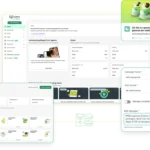
Shiftie is a cloud-based workforce scheduling and employee management platform. It helps businesses create staff rotas, track working hours, manage availability, and organize employee records within a single interface.
The platform is primarily focused on simplifying shift planning and improving visibility into team operations. It is built for businesses that manage hourly workers or rotating schedules and need a structured way to coordinate teams.
Shiftie operates through a web-based system, allowing managers and staff to access schedules and updates from desktop or mobile devices.
Key Features Explained
1. Shift Scheduling Tools
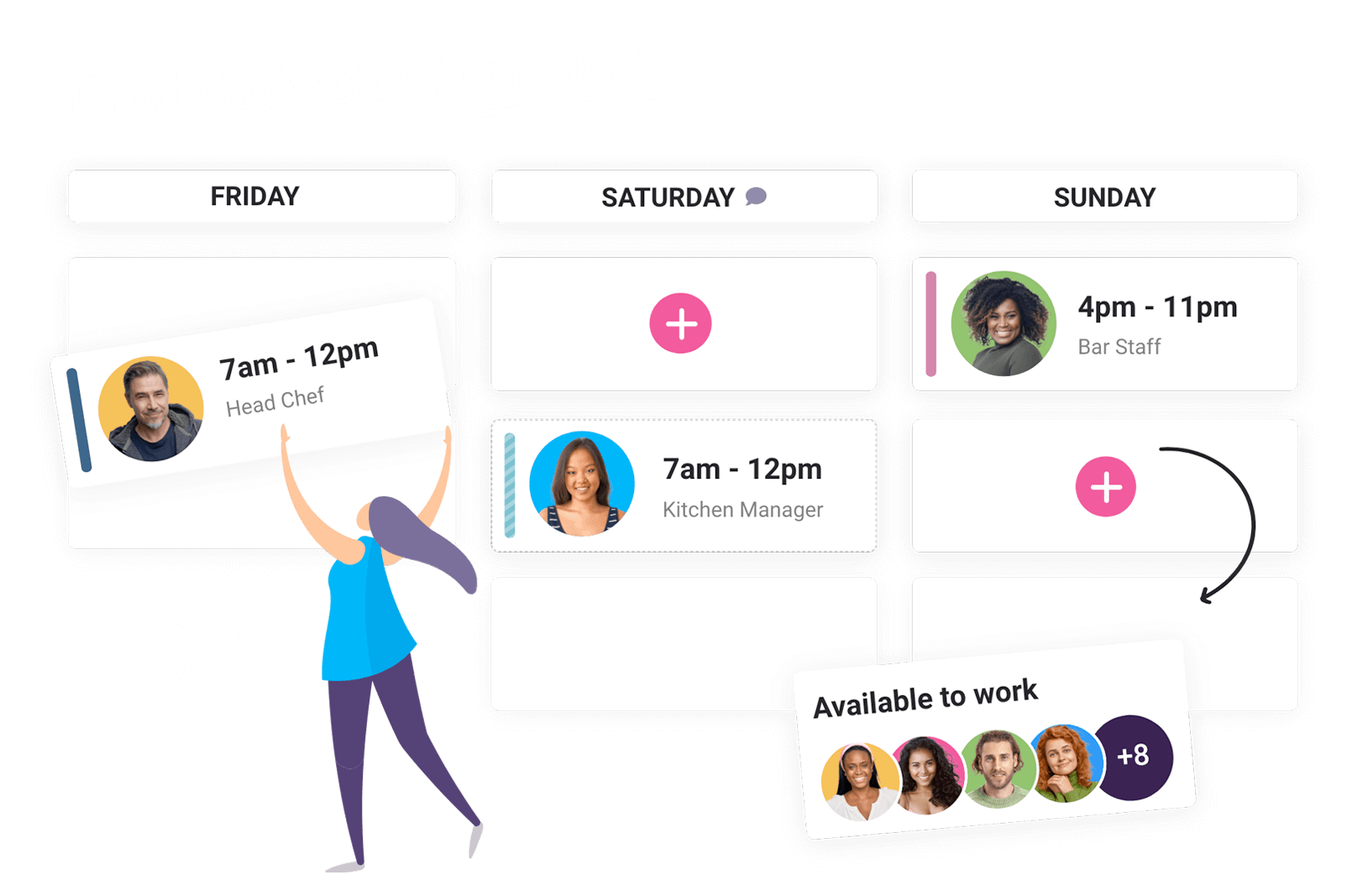
Shiftie allows managers to create and edit schedules using a visual calendar layout. Shifts can be assigned, adjusted, or duplicated using templates. This reduces the need to rebuild schedules every week.
Managers can also view employee availability before assigning shifts, which helps prevent scheduling conflicts.
2. Employee Availability Management
Staff members can submit their availability and request leave directly within the system. This information becomes visible to managers during schedule creation, improving planning accuracy.
3. Time and Attendance Tracking
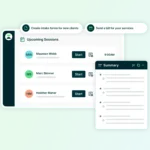
Employees can clock in and out digitally. This creates a record of actual working hours, helping reduce manual timesheet entries. Some systems also include location-based restrictions to confirm on-site attendance.
4. Digital Timesheets
Shiftie automatically generates timesheets based on clock-in and clock-out data. This simplifies payroll preparation and reduces calculation errors.
5. Centralized Employee Records
The platform stores employee information, including contact details, roles, leave records, and other HR-related data. Keeping these details in one place improves organization and reduces dependency on multiple systems.
6. Reporting and Operational Insights
Basic reporting tools provide insights into working hours, staffing levels, and schedule patterns. While not designed for advanced analytics, these reports support operational review.
Common Use Cases
Shiftie is commonly used in industries where shift-based work is standard:
- Restaurants, cafes, and hospitality venues
- Retail stores with part-time staff
- Healthcare clinics with rotating shifts
- Event management teams
- Visitor attractions and leisure businesses
In these environments, workforce coordination and real-time schedule visibility are essential for smooth operations.
Potential Advantages
Reduced Administrative Work
By automating scheduling and timesheet generation, Shiftie may reduce the manual workload for managers.
Improved Communication
Since schedules and updates are stored in one system, employees can view changes without relying on separate messaging platforms.
Better Attendance Visibility
Digital clock-in systems create clearer attendance records compared to paper logs.
Structured Workforce Organization
Centralizing employee data, availability, and scheduling information improves operational clarity.
Accessibility
Being web-based, the system can be accessed from different devices without complex installation processes.
Limitations & Considerations
Limited Advanced Analytics
Businesses that require deep labor cost forecasting or advanced reporting may find the reporting features relatively basic.
Fewer Integrations
Compared to larger HR ecosystems, Shiftie may offer fewer integrations with payroll, accounting, or enterprise software systems.
Not a Full HR Suite
Shiftie focuses mainly on scheduling and time tracking. Companies needing complete HR automation, recruitment tools, or compliance management may require additional software.
Suitability for Large Enterprises
Large organizations with multi-location complexity and detailed compliance requirements might prefer enterprise-grade workforce systems.
Who Should Consider Shiftie
Shiftie may be suitable for:
- Small to medium-sized businesses
- Companies with hourly employees
- Teams with frequent shift changes
- Managers seeking to replace spreadsheets with structured scheduling software
- Organizations wanting simple workforce coordination without enterprise-level complexity
Businesses that prioritize operational clarity over advanced HR automation may find it aligned with their needs.
Who May Want to Avoid
Shiftie may not be ideal for:
- Large enterprises needing complex workforce analytics
- Companies requiring deep payroll integration
- Organizations looking for full HR lifecycle management
- Businesses operating across multiple countries with heavy compliance requirements
In such cases, broader HR platforms may offer more extensive functionality.
Comparison With Similar Tools
Shiftie operates within the workforce scheduling category, where several established platforms also exist.
For example, Deputy offers scheduling, time tracking, and broader compliance features with more advanced reporting tools. It may suit businesses needing expanded workforce management capabilities.
Similarly, When I Work focuses on shift planning and team messaging, with emphasis on ease of use and communication features.
Compared to these tools, Shiftie maintains a more focused approach. It emphasizes core scheduling, availability tracking, and digital timesheets rather than building a large HR ecosystem. This narrower focus can make it simpler for smaller teams but less comprehensive for complex organizations.
Final Educational Summary
Shiftie is a workforce scheduling platform built to simplify employee rota management, attendance tracking, and team coordination. It addresses common operational challenges faced by businesses that manage hourly staff or rotating shifts.
By centralizing scheduling, availability, and timesheet data, the platform reduces reliance on manual systems such as spreadsheets and paper logs. Its strengths lie in simplicity, accessibility, and structured shift management.
However, organizations requiring advanced analytics, deep integrations, or full HR automation may need broader enterprise solutions.
Overall, Shiftie serves as a practical scheduling-focused tool for businesses that prioritize operational organization over extensive HR features.
Disclosure
This article is written for educational and informational purposes. It provides an independent overview based on publicly available information about the platform. It does not represent sponsorship, endorsement, or promotional intent.