Introduction
Digital education has undergone a rapid transformation over the past two decades. Universities, independent educators, training organizations, and businesses increasingly rely on online systems to distribute knowledge, manage learners, and track educational progress. This shift has led to the development of specialized software platforms known as Learning Management Systems (LMS) and online course platforms.
Traditional classroom-based education often faces logistical challenges such as geographic limitations, fixed schedules, and high operational costs. As internet access expanded globally, educators and organizations began searching for structured ways to deliver instructional material online. Early digital LearnWorlds tools primarily focused on file sharing or basic video hosting, but they lacked structured learning pathways, assessment systems, and learner engagement features.
Modern course platforms aim to address these limitations by combining content hosting, course management, student analytics, and community interaction in a single environment. Platforms in this category are often used by universities, corporate training departments, coaching businesses, and independent subject-matter experts.
Among these platforms is LearnWorlds, a cloud-based system designed to help educators create, organize, and manage online learning experiences. Understanding how such platforms operate—and where they fit within the broader digital education ecosystem—helps educators and organizations determine whether they align with their instructional needs.
What Is LearnWorlds?
LearnWorlds is an online course platform and learning management system that enables users to build, host, and distribute digital courses. It functions as a centralized environment where educators can upload course materials, structure lessons, manage learners, and analyze engagement data.
Unlike simple content hosting tools, LearnWorlds is designed to support a structured learning process. This includes course modules, assessments, interactive media, and student progress tracking. The platform belongs to a broader category of cloud-based LMS software, which removes the need for organizations to maintain their own technical infrastructure.
Within the online education technology landscape, LearnWorlds sits alongside other platforms focused on digital course delivery, such as creator-focused course platforms and enterprise training systems. These systems typically combine elements of content management systems (CMS), educational technology tools, and digital community platforms.
In practical terms, LearnWorlds allows educators to design courses composed of video lectures, text-based lessons, quizzes, downloadable resources, and interactive activities. Students access this material through a web interface designed to guide them through a learning sequence.
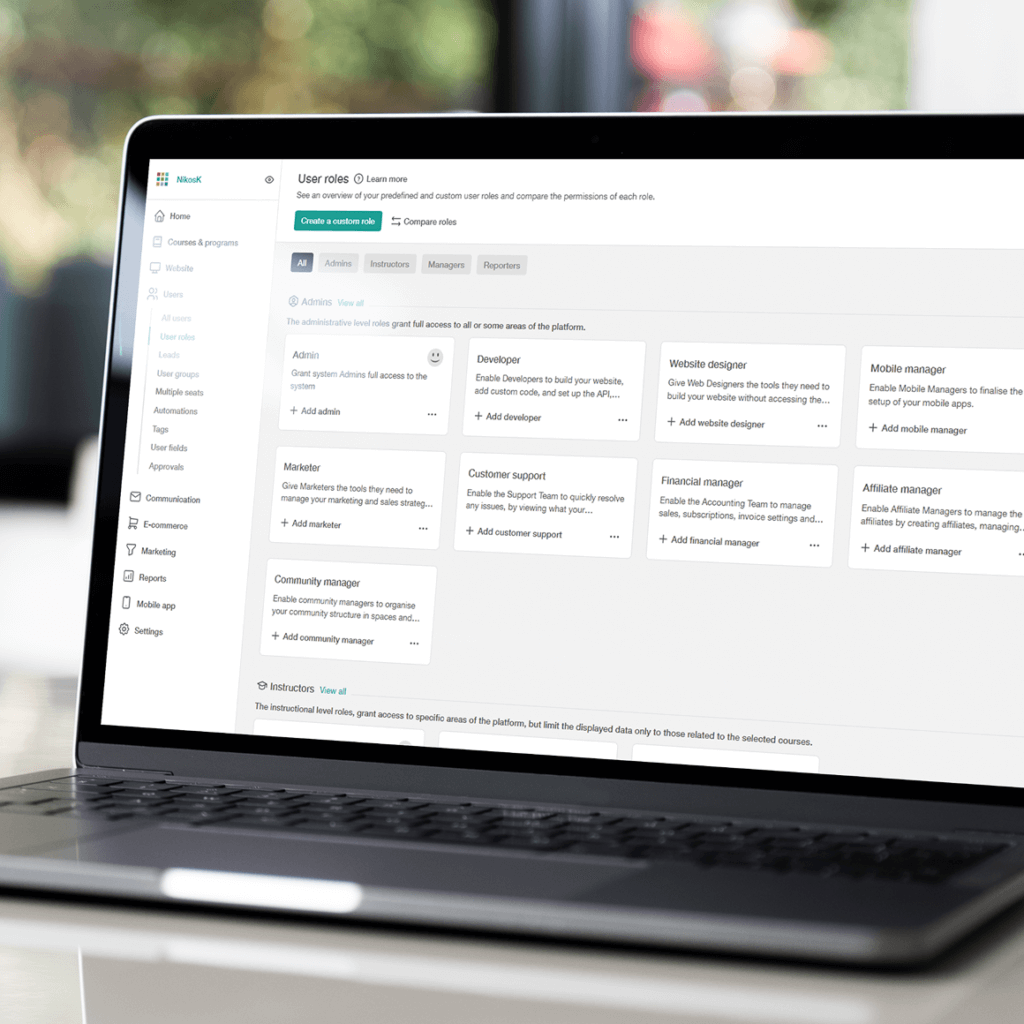
Because the platform is hosted online, administrators can manage course content and student activity from a centralized dashboard without installing local software.
Key Features Explained
Online course platforms typically provide a wide range of capabilities intended to support both educators and learners. LearnWorlds includes several categories of functionality that reflect common features within modern LMS software.
Course Creation Tools
One of the core components of LearnWorlds is its course-building system. Educators can structure courses using modules, lessons, and multimedia resources. Video content, written material, quizzes, and downloadable files can be organized into a sequential learning path.
Course builders in LMS platforms often include drag-and-drop interfaces or structured editing tools that allow instructors to assemble learning units without advanced technical skills.
Interactive Learning Elements
A distinguishing feature of many modern online course platforms is the inclusion of interactive learning components. LearnWorlds supports activities such as quizzes, assessments, and embedded interactions within video lessons.
Interactive features can help educators measure comprehension and maintain learner engagement, which is particularly important in asynchronous online learning environments.
Student Progress Tracking
Learning management systems typically provide analytics that allow educators to monitor student progress. LearnWorlds includes tracking features that display completion rates, lesson activity, and assessment performance.
These analytics are commonly used by course creators to evaluate how learners interact with course material and to identify areas where content may require improvement.
Content Hosting and Management
LearnWorlds functions as a content management environment for digital learning materials. Users can upload videos, documents, and other resources that are then stored within the platform’s infrastructure.
This type of centralized hosting allows educators to maintain organized course libraries while ensuring that students access materials through a controlled interface.
Customization and Branding Options
Some online course platforms allow organizations to modify the visual appearance of their course portals. LearnWorlds includes tools for customizing layouts, themes, and course presentation styles.
These features are often used by educational businesses that want their course environment to reflect a specific brand identity or institutional design.
Community and Interaction Tools
Learning platforms increasingly incorporate community elements that enable discussion and collaboration. LearnWorlds includes features designed to support learner interaction, such as discussion areas or engagement tools embedded within courses.
These features aim to replicate some aspects of classroom interaction within a digital environment.
Common Use Cases
Online course platforms serve a wide range of educational contexts. LearnWorlds is used in several types of learning environments.
Independent Online Course Creators
Many independent educators and subject-matter experts use course platforms to publish educational material on topics ranging from professional skills to creative disciplines. These instructors often build structured courses that students can complete at their own pace.
Corporate Training Programs
Businesses frequently rely on LMS platforms to deliver internal training. Topics may include onboarding processes, compliance education, professional development, or technical skills training. In such cases, platforms like LearnWorlds provide tools for tracking employee progress and completion.
Educational Institutions
Some academic organizations use online course platforms as supplementary learning environments alongside traditional classroom instruction. Digital course portals allow instructors to distribute materials, provide assignments, and host recorded lectures.
Coaching and Professional Development
Coaches, consultants, and professional trainers often use online course platforms to organize structured learning programs. These programs may include lesson modules, assessments, and downloadable resources.
Membership-Based Learning Communities
Certain educational businesses operate membership models in which learners gain access to a library of courses or learning resources. Course platforms help manage these content collections and track learner activity.
Potential Advantages
Platforms like LearnWorlds exist because they address several challenges associated with digital education delivery.
Centralized Learning Environment
A dedicated LMS consolidates course materials, student management tools, and analytics into one platform. This reduces the need to combine multiple software tools for hosting content, distributing lessons, and tracking engagement.
Structured Course Delivery
Online course platforms provide frameworks that help educators organize content into logical learning sequences. Modules, lessons, and assessments can guide learners through topics step by step.
Accessibility for Global Learners
Digital course platforms allow learners to access educational material regardless of geographic location. Students typically need only an internet connection and a compatible device.
Data and Learning Analytics
Platforms like LearnWorlds collect engagement data that can help instructors evaluate how students interact with course content. This information may assist educators in refining course design.
Scalability
Once course content is developed, it can often be delivered to large numbers of learners simultaneously. This scalability makes online education platforms particularly useful for organizations with distributed audiences.
Limitations & Considerations
While online course platforms provide many capabilities, they also present certain limitations that educators should consider.
Learning Curve for New Users
Although modern LMS platforms attempt to simplify course creation, there may still be a learning period for instructors who are unfamiliar with digital course design tools.
Content Development Effort
The effectiveness of any online course platform depends largely on the quality of the educational material. Creating structured, engaging course content can require significant time and planning.
Platform Dependence
Using a hosted LMS means that course content and student management rely on the infrastructure provided by the platform operator. Organizations must consider long-term platform stability and data portability.
Limited Classroom Interaction
While discussion tools and interactive features exist, online learning environments may not fully replicate the immediacy of in-person classroom interactions.
Technical Constraints
Multimedia courses often rely on video, interactive elements, and other digital components. This can require stable internet access for both educators and learners.
Who Should Consider LearnWorlds
LearnWorlds may be relevant for individuals and organizations seeking a structured system for digital course delivery.
Independent educators who want to publish multi-lesson courses may find LMS platforms useful for organizing instructional material. Similarly, businesses with recurring training needs often use centralized course systems to maintain consistent educational programs.
Organizations that manage large learner groups may benefit from the reporting tools and administrative dashboards typically included in learning management platforms.
Additionally, professionals who offer coaching or educational services online may use such systems to distribute structured learning programs to clients.
Who May Want to Avoid It
Despite its capabilities, LearnWorlds may not suit every type of educational project.
Educators who only need to distribute occasional learning materials may find simpler solutions—such as document sharing or video platforms—sufficient for their needs.
Small projects that do not require structured course pathways or learner analytics may not benefit from a full LMS environment.
Additionally, instructors who prefer entirely live teaching formats might find that an asynchronous course platform does not align with their instructional style.
Organizations with complex enterprise training requirements may also evaluate whether specialized corporate LMS systems better match their administrative and compliance needs.
Comparison With Similar Tools
The online course platform market includes a wide variety of solutions designed for different audiences.
Some platforms prioritize course creators and independent instructors, offering simplified interfaces for publishing educational content. Others focus on enterprise training environments, which emphasize compliance tracking, large-scale user management, and integration with corporate systems.
Compared with some alternatives, LearnWorlds combines course creation tools with interactive learning features and customizable course environments. This places it within a segment of LMS platforms aimed at professional educators and digital learning businesses.
Certain competing platforms focus heavily on marketplace distribution, where courses are sold within a centralized catalog. LearnWorlds instead emphasizes hosted course environments where creators manage their own learning portals.
Different platforms also vary in their approach to customization, analytics capabilities, and integration with external tools. As a result, educators often evaluate several systems before choosing the one that aligns with their technical and instructional requirements.
Final Educational Summary
Online education platforms have become a central component of modern digital learning infrastructure. As educators and organizations increasingly rely on internet-based instruction, the need for structured course management systems continues to grow.
LearnWorlds represents one example of a cloud-based learning management system designed to help educators build and manage online courses. By combining course creation tools, interactive learning elements, content hosting, and student analytics, platforms in this category aim to support structured digital education environments.
However, like any educational technology tool, the effectiveness of an LMS depends heavily on how it is used. Course quality, instructional design, and learner engagement strategies play significant roles in determining educational outcomes.
For educators exploring online course platforms, understanding the capabilities and limitations of systems like LearnWorlds can help inform decisions about digital learning infrastructure and instructional design.
Disclosure: This article is for educational and informational purposes only. Some links on this website may be affiliate links, but this does not influence our editorial content or evaluations.