Introduction
Modern communication systems have undergone significant transformation as businesses shift away from traditional telephony infrastructure toward internet-based solutions. Conventional phone systems, often tied to physical hardware and limited geographic flexibility, present challenges in scalability, cost management, and remote accessibility. As distributed workforces and global customer bases become more common, organizations increasingly rely on cloud telephony platforms to manage communication workflows efficiently.
Cloud-based communication tools aim to centralize voice, messaging, and customer interaction data within a digital environment that can be accessed from multiple devices and locations. These systems often integrate with existing business software, allowing teams to streamline operations without maintaining complex hardware setups.
Within this evolving ecosystem, KrispCall Communications Inc. offers a platform known as KrispCall, designed to address various aspects of business communication using cloud infrastructure.
What Is KrispCall?
KrispCall is a cloud telephony platform that enables businesses to manage voice calls, SMS messaging, and virtual phone numbers through an internet-based system. It falls under the category of VoIP (Voice over Internet Protocol) communication tools, which convert voice signals into digital data transmitted over the internet.
The platform is structured to replace or supplement traditional phone systems by providing virtual numbers from multiple countries, allowing organizations to establish a local presence without physical offices. KrispCall also integrates communication channels into a unified interface, making it possible to handle calls, messages, and contact data in one place.
From a technical standpoint, KrispCall operates as a Software-as-a-Service (SaaS) solution, meaning users typically access it through web applications or mobile apps rather than installing on-premise infrastructure.
Key Features Explained
Virtual Phone Numbers
KrispCall provides access to international virtual phone numbers, enabling businesses to create localized contact points in different regions. These numbers can be used for inbound and outbound communication without requiring physical SIM cards or telecom hardware.
Call Management System
The platform includes call routing features such as call forwarding, call recording, voicemail, and automated responses. These tools are commonly used to manage high call volumes and ensure that customer inquiries are directed appropriately.
Unified Communication Dashboard
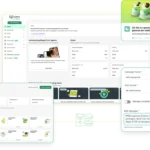
A centralized dashboard allows users to monitor calls, messages, and contact interactions. This interface is designed to reduce fragmentation by consolidating communication data into a single system.
SMS and Messaging Capabilities
In addition to voice communication, KrispCall supports SMS messaging, which can be used for notifications, customer support, and transactional updates. Messaging features often complement voice services in modern communication workflows.
CRM Integration
KrispCall integrates with various Customer Relationship Management (CRM) systems. This allows businesses to link communication data with customer profiles, enabling more organized tracking of interactions and histories.
Multi-Device Accessibility
The platform can be accessed from desktops, laptops, and mobile devices. This flexibility supports remote teams and ensures continuity of communication regardless of location.
Analytics and Reporting
KrispCall includes reporting tools that provide insights into call activity, response times, and communication trends. These analytics can help organizations evaluate performance and identify operational patterns.
Common Use Cases
Customer Support Operations
Businesses often use KrispCall to manage inbound customer support calls. Features like call routing and voicemail help ensure that inquiries are handled efficiently, even during peak hours.
Remote Team Communication
With distributed teams becoming more prevalent, KrispCall enables employees to communicate using a centralized system without relying on personal phone numbers. This separation of personal and professional communication is a common requirement in remote work environments.
Sales and Outreach
Sales teams may use virtual numbers to conduct outreach campaigns across different regions. Call tracking and recording features can assist in monitoring performance and maintaining quality standards.
International Business Expansion
Organizations entering new markets often use virtual phone numbers to establish a local presence. KrispCall allows businesses to operate in multiple countries without setting up physical offices.
Appointment Scheduling and Notifications
Healthcare providers, service businesses, and consultants can use SMS and call features to send reminders and confirmations to clients, reducing missed appointments.
Potential Advantages
Reduced Infrastructure Dependency
By operating in the cloud, KrispCall eliminates the need for traditional telephony hardware. This can simplify setup and maintenance requirements compared to legacy systems.
Geographic Flexibility
Virtual phone numbers enable businesses to operate across regions without being physically present. This can be particularly relevant for companies with international clients.
Centralized Communication
The unified dashboard consolidates multiple communication channels, which may improve organization and reduce the need for switching between tools.
Scalability
Cloud-based systems like KrispCall can typically scale based on usage. Organizations can add or remove numbers and users without major infrastructure changes.
Integration Capabilities
Integration with CRM platforms allows businesses to align communication data with customer records, potentially improving workflow efficiency.
Limitations & Considerations
Internet Dependency
As a VoIP-based platform, KrispCall relies on stable internet connectivity. Poor network conditions may affect call quality or reliability.
Learning Curve
Organizations transitioning from traditional phone systems may require time to adapt to cloud-based interfaces and features.
Compliance Requirements
Businesses operating in regulated industries must ensure that their use of cloud telephony complies with data protection and communication regulations, which may vary by region.
Feature Complexity
While the platform offers multiple features, not all users may require the full range of capabilities. This could lead to underutilization or complexity for smaller teams.
Cost Structure Variability
Although cloud telephony can reduce hardware costs, pricing models often depend on usage, number of users, and additional features. Understanding the cost structure is important for budgeting.
Who Should Consider KrispCall
KrispCall may be relevant for organizations that require flexible communication systems without relying on physical infrastructure. This includes:
- Small to medium-sized businesses seeking scalable communication solutions
- Remote or hybrid teams needing centralized communication tools
- Customer support centers managing high volumes of calls
- Companies expanding into international markets
- Sales teams conducting outreach across multiple regions
Businesses that rely heavily on CRM systems may also find value in integration features that connect communication data with customer records.
Who May Want to Avoid It
Not all organizations may benefit equally from a cloud telephony platform like KrispCall. It may be less suitable for:
- Businesses with limited or unreliable internet connectivity
- Organizations requiring highly specialized telecommunication hardware
- Companies operating in regions with strict VoIP restrictions
- Small teams that only require basic phone functionality without advanced features
In such cases, traditional telephony systems or simpler communication tools may be more appropriate.
Comparison With Similar Tools
KrispCall operates within a competitive landscape that includes other cloud telephony and VoIP providers. While many platforms share core functionalities such as virtual numbers and call management, differences often arise in areas like integration capabilities, pricing models, and user interface design.
Some platforms emphasize enterprise-level features, offering advanced analytics and extensive integrations. Others focus on simplicity, targeting small businesses with minimal setup requirements.
KrispCall positions itself as a mid-range solution that combines accessibility with a relatively broad feature set. Its inclusion of both voice and messaging services within a unified interface aligns with industry trends toward omnichannel communication.
When comparing tools in this category, organizations typically evaluate factors such as:
- Availability of international numbers
- Integration with existing software systems
- Ease of use and onboarding
- Reporting and analytics capabilities
- Cost relative to usage and scale
Each platform may prioritize these aspects differently, making it important to assess specific operational needs before selecting a solution.
Final Educational Summary
KrispCall represents a category of cloud telephony platforms designed to modernize business communication through internet-based systems. By replacing traditional phone infrastructure with virtual numbers and centralized dashboards, it addresses challenges related to scalability, remote access, and multi-channel communication.
The platform incorporates features such as call management, SMS messaging, CRM integration, and analytics, which are commonly required in contemporary business environments. These capabilities make it applicable across various use cases, including customer support, sales outreach, and international operations.
However, its effectiveness depends on factors such as internet reliability, organizational needs, and familiarity with digital communication tools. While it offers flexibility and integration potential, it may not be necessary for all types of businesses.
Understanding tools like KrispCall requires examining both their technical structure and practical applications within the broader communication technology landscape.
Disclosure: This article is for educational and informational purposes only. Some links on this website may be affiliate links, but this does not influence our editorial content or evaluations.