Introduction
Managing employee schedules is a recurring challenge for many organisations, especially those operating with rotating shifts, part-time staff, or seasonal demand. In sectors such as hospitality, retail, healthcare, and visitor services, managers often need to coordinate staff availability, ensure adequate coverage, handle last-minute changes, and keep accurate records of working hours.
Historically, these tasks were handled using spreadsheets, notice boards, or paper rosters. While workable at small scale, such methods can become difficult to maintain as teams grow or schedules become more complex. Errors in availability, missed updates, and inconsistent record-keeping are common issues.
Digital workforce scheduling tools exist to address this problem space. These tools aim to centralise scheduling, attendance tracking, and basic staff administration in one system. Shiftie is one such tool, designed to support organisations that need structured shift planning and workforce visibility.
What Is Shiftie?
Shiftie is a cloud-based staff scheduling and workforce management platform. It is designed to help organisations plan employee shifts, track working hours, manage availability, and store basic employee records in a single digital environment.
The tool belongs to the broader category of workforce scheduling and operational HR software. Rather than focusing on recruitment or payroll processing, tools in this category primarily address day-to-day workforce coordination — who works when, where, and for how long.
Shiftie is typically used by managers, supervisors, and administrators responsible for organising shift-based teams. Employees may also interact with the system to view schedules, record attendance, or submit availability and leave information.
Key Features Explained
Shift Planning and Roster Management
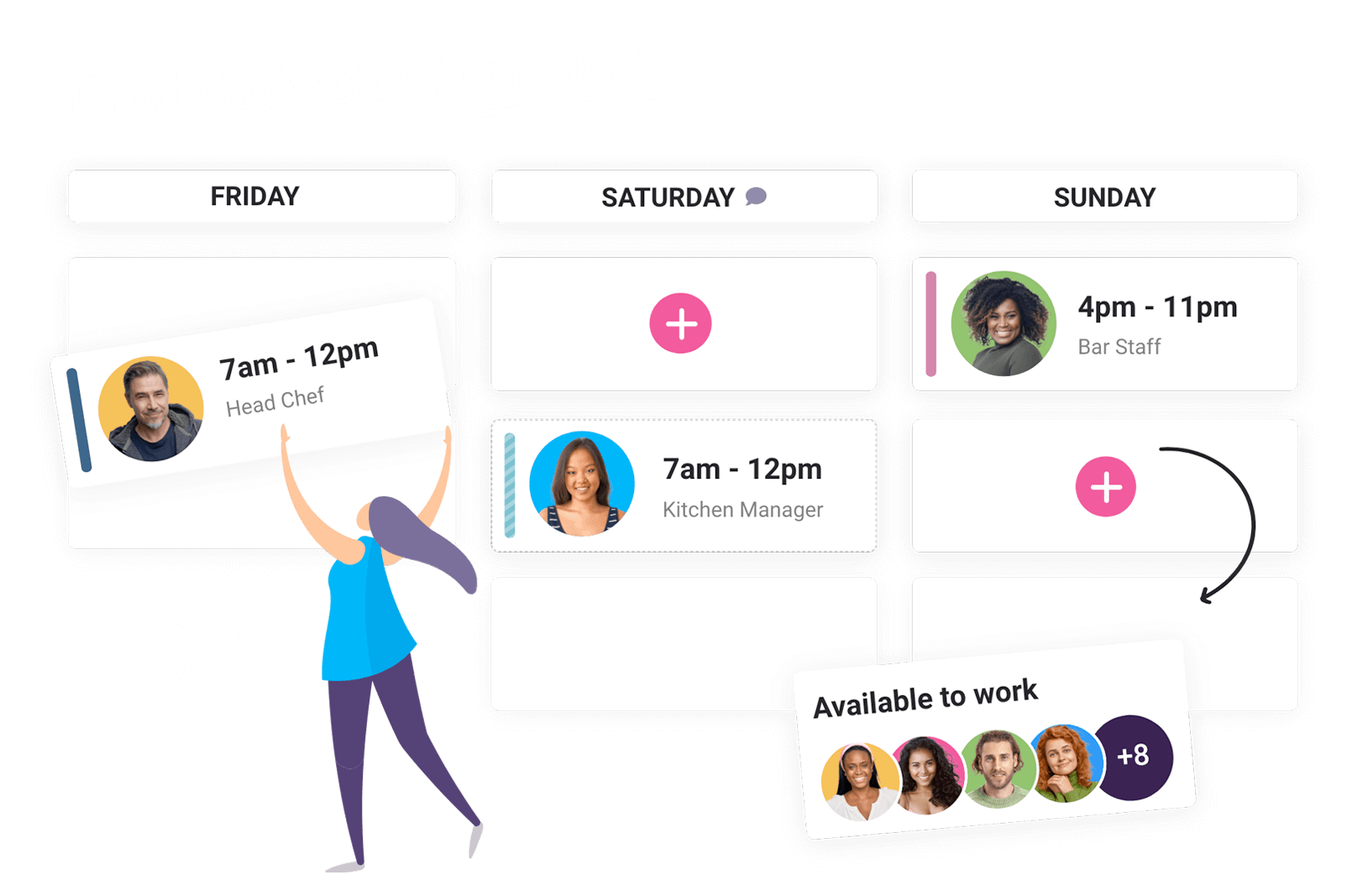
Shiftie provides a digital interface for creating and managing work schedules. Managers can assign shifts to employees, adjust schedules when needed, and reuse recurring shift patterns. Schedules are presented in calendar-style views, allowing users to see coverage across days or weeks.
The system is designed to reduce reliance on manual scheduling documents by keeping all shift information in one place.
Time Tracking and Timesheets
Employees can record their working hours by clocking in and out through the system. These time entries are automatically compiled into timesheets that managers can review. Adjustments can be made if corrections are required before records are finalised.
Time tracking functions are often used to support payroll preparation, although payroll processing itself is usually handled separately.
Availability and Absence Recording
Shiftie allows employees to indicate when they are available or unavailable for work. Managers can reference this information while creating schedules, which may help reduce conflicts between assigned shifts and actual availability.
Absences such as sickness can also be recorded, providing visibility into attendance patterns over time.
Leave Management
The platform includes tools for managing employee leave, such as holidays or planned time off. Leave balances and requests can be stored within the system, helping managers track upcoming absences alongside shift schedules.
This feature is particularly relevant for organisations that need to coordinate staffing levels while accounting for planned leave.
Employee Records and Team Information
Shiftie offers basic employee record management, including contact details, role information, and stored documents. While not a full human resources information system, this functionality allows organisations to keep essential workforce data connected to scheduling and attendance records.
Common Use Cases
Shiftie is generally used in environments where staffing needs change regularly and manual coordination is inefficient. Common scenarios include:
- Hospitality venues managing rotating shifts across different service periods
- Retail businesses coordinating part-time staff with varying availability
- Healthcare or care organisations ensuring coverage across multiple shifts
- Visitor attractions or events operating with seasonal staffing patterns
- Small to medium-sized organisations transitioning from spreadsheets to digital tools
In these contexts, the tool is typically used by operational managers rather than large HR departments.
Potential Advantages
The following points describe potential advantages commonly associated with workforce scheduling software like Shiftie. These are not guaranteed outcomes and depend on how the tool is implemented and used.
- Centralised Scheduling: Keeping shifts, availability, and attendance in one system may reduce fragmentation across documents and platforms.
- Improved Visibility: Managers can see who is scheduled, who is available, and who is absent without checking multiple sources.
- Reduced Manual Data Entry: Automated timesheets may lower the need for repeated manual calculations of hours worked.
- Employee Access: Staff members can view schedules and record time digitally, reducing reliance on physical notice boards.
These benefits are situational and vary based on team size, training, and organisational processes.
Limitations & Considerations
It is important to consider possible limitations when evaluating Shiftie or similar tools:
- Learning and Adoption: Teams unfamiliar with digital scheduling systems may require onboarding time and internal guidance.
- Feature Scope: While suitable for scheduling and attendance, the platform may not replace advanced HR systems or payroll software.
- Dependence on Internet Access: As a cloud-based tool, reliable internet connectivity is required for consistent use.
- Customisation Constraints: Some organisations may require highly specialised workflows that fall outside standard scheduling features.
- Support and Scaling: Smaller software providers may have limitations in support availability or enterprise-level customisation.
Organisations should assess whether these factors align with their operational needs.
Who Should Consider Shiftie
Shiftie may be suitable for:
- Organisations with shift-based or variable staffing models
- Teams seeking to replace spreadsheets or manual rosters
- Managers needing basic time tracking linked to schedules
- Small to mid-sized operations prioritising operational clarity
Who May Want to Avoid It
The tool may be less suitable for:
- Organisations with fixed, predictable work hours
- Businesses requiring fully integrated payroll and compliance systems
- Enterprises with complex HR reporting or regulatory requirements
- Teams preferring offline or on-premise scheduling solutions
In such cases, alternative workforce or HR platforms may be more appropriate.
Comparison With Similar Tools
Workforce scheduling software varies widely in focus and complexity. Some tools emphasise lightweight scheduling with minimal features, while others extend into payroll, compliance tracking, and advanced analytics.
Compared to broader workforce management platforms, Shiftie appears more focused on operational scheduling and attendance rather than enterprise-level HR automation. This positioning may suit organisations that need practical scheduling tools without extensive administrative overhead.
No single tool is universally better; suitability depends on organisational structure and priorities.
Final Educational Summary
Shiftie is an example of a digital workforce scheduling tool designed to support organisations managing shift-based teams. It brings together scheduling, time tracking, availability management, and basic employee records in a single system. Such tools exist to address the challenges of manual scheduling and fragmented workforce data.
As with any software, its effectiveness depends on how well it aligns with specific operational needs, team size, and internal processes. Readers are encouraged to review multiple options and evaluate tools independently before making decisions.
Disclosure: This article is for educational and informational purposes only. Some links on this website may be affiliate links, but this does not influence our editorial content or evaluations.