
Introduction
In today’s digital landscape, businesses often rely on structured data to identify potential customers and plan outreach strategies. Whether it’s a startup looking for early clients or a sales team scaling outbound efforts, the challenge usually begins with finding accurate and relevant contact information. Manually gathering this data can be time-consuming and inconsistent, especially when dealing with large volumes.
To address this issue, a range of tools has emerged under the category of lead generation and data extraction platforms. These tools aim to simplify how users collect business data, organize leads, and prepare for outreach activities. Instead of switching between multiple sources, users can rely on a centralized system to gather and manage information.
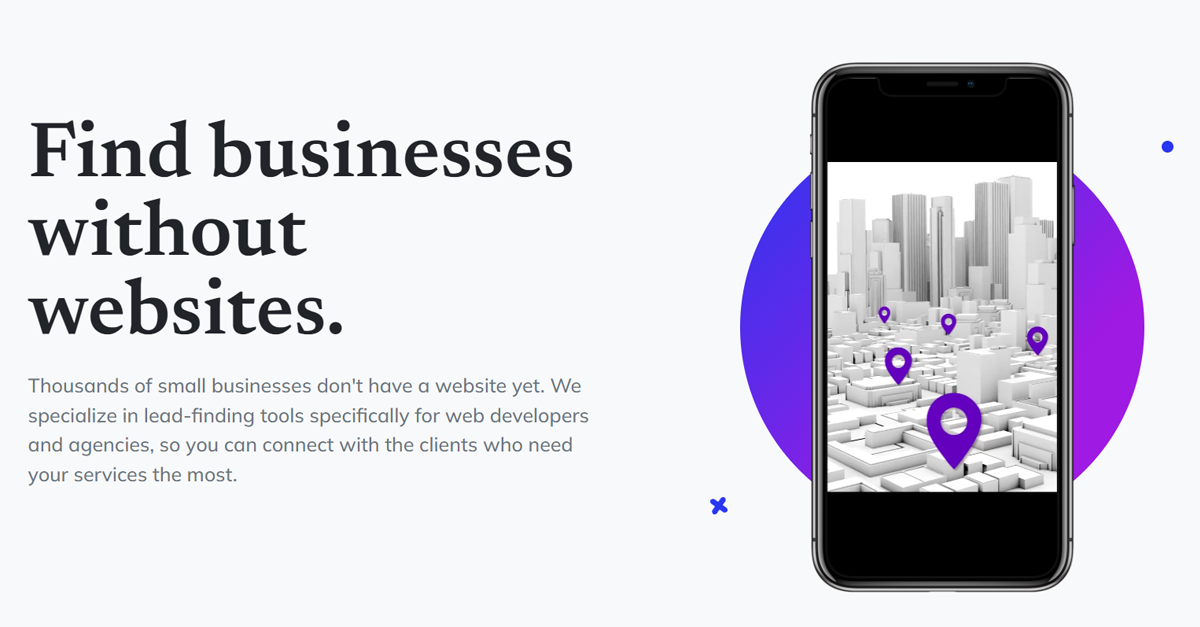
Grape Leads is one such platform that focuses on lead extraction and data collection. It is designed to help users gather business information from various online sources and structure it for further use. This article provides a neutral and easy-to-understand overview of Grape Leads, including how it works, its features, common use cases, and important limitations to consider.
What Is Grape Leads?
Grape Leads is a lead generation and data scraping tool that helps users collect business-related information from online platforms. It falls under the broader category of data extraction and prospecting software.
The platform is primarily used to gather details such as business names, contact information, and other publicly available data. Instead of relying on pre-built databases, Grape Leads focuses on extracting data directly from sources like websites or directories.
It is typically used by:
- Sales professionals building outreach lists
- Marketing teams collecting data for campaigns
- Freelancers offering lead generation services
- Small businesses researching potential clients
Unlike some all-in-one platforms, Grape Leads is more focused on the data collection phase rather than managing outreach or running campaigns. This makes it more specialized in how it fits into a workflow.
Key Features Explained
Grape Leads includes a set of features designed to help users collect and organize data efficiently. These features are functional and focus on simplifying the extraction process.
Data Extraction from Online Sources
The main function of Grape Leads is to pull data from websites and directories. Users can extract business-related details based on specific search inputs.
Custom Search Options
Users can define parameters such as location, niche, or keywords to collect more targeted data. This helps narrow down results to relevant leads.
Bulk Data Collection
The platform supports collecting multiple records at once, which can save time compared to manual methods.
Export Functionality
Extracted data can be downloaded in formats like spreadsheets. This allows users to organize and use the data in other tools.
Simple Interface
The platform is generally designed to be straightforward, making it accessible for users who may not have technical experience with scraping tools.
Common Use Cases
Grape Leads is used in several practical scenarios where data collection is a priority.
Local Business Lead Generation
Users can collect data about businesses in specific locations, which is useful for local outreach campaigns.
Freelance Lead Generation Services
Freelancers often use such tools to gather data for clients who need prospect lists.
Market Research
Businesses can use extracted data to understand competitors or identify trends within a specific niche.
List Building for Outreach
Collected data can be used to create email or contact lists for future campaigns, although outreach itself is handled outside the platform.
Potential Advantages
Direct Data Collection
Instead of relying on static databases, users can gather fresh data from online sources.
Time Efficiency
Bulk extraction reduces the need for manual research and data entry.
Flexibility in Targeting
Custom search options allow users to define exactly what type of data they need.
Ease of Use
The interface is generally simple, making it accessible for beginners.
Limitations & Considerations
Data Accuracy May Vary
Since the tool extracts publicly available data, the quality and accuracy depend on the source.
No Built-In Verification
Unlike some platforms, Grape Leads may not verify email addresses or contact details automatically.
Compliance Responsibility
Users must ensure that the way they collect and use data complies with privacy laws and platform terms.
Limited Features Beyond Extraction
The tool focuses mainly on data collection and does not include advanced CRM or outreach features.
Possible Platform Restrictions
Some websites may limit or block automated data extraction, which can affect results.
Who Should Consider Grape Leads
Grape Leads may be suitable for:
- Users who need bulk data extraction from online sources
- Freelancers providing lead generation services
- Small businesses conducting local market research
- Teams that already have separate tools for outreach
Who May Want to Avoid Grape Leads
This tool may not be ideal for:
- Users looking for an all-in-one sales platform
- Businesses that require verified and highly accurate datasets
- Teams unfamiliar with data compliance requirements
- Those who prefer ready-made contact databases
Comparison With Similar Tools
Grape Leads can be compared with tools like PhantomBuster, Apify, and Scrapy-based solutions.
- PhantomBuster offers automation workflows along with data extraction
- Apify provides more advanced and customizable scraping capabilities
- Database tools (like UpLead) focus on pre-verified data instead of extraction
Grape Leads sits somewhere in the middle, focusing on simplicity rather than deep technical customization or large verified datasets.
Final Educational Summary
Grape Leads is a data extraction tool designed to help users collect business information from online sources. It simplifies the process of gathering leads, especially for users who need bulk data quickly. However, it is important to understand that it focuses primarily on data collection and does not cover verification, outreach, or compliance.
Its usefulness depends on how it fits into a broader workflow. Users who need flexible data collection may find it helpful, while those looking for complete lead management solutions may need additional tools.
Readers should evaluate their specific requirements and consider how such a tool aligns with their workflow before using it.
Disclosure: This article is for educational and informational purposes only. Some links on this website may be affiliate links, but this does not influence our editorial content or evaluations.
