
Introduction
The rapid expansion of e-commerce has introduced both opportunity and complexity for individuals seeking to establish online retail operations. Among the most widely discussed models is dropshipping, a system in which sellers list products without maintaining inventory, relying instead on third-party suppliers for fulfillment. While this approach lowers entry barriers, it introduces operational challenges such as product sourcing, store setup, pricing strategies, and supplier coordination.
To address these difficulties, a growing category of digital tools has emerged: automated store builders and dropshipping management platforms. These systems aim to streamline the technical and logistical components of launching an online store, allowing users to focus more on strategy rather than infrastructure. DropGenius belongs to this category, offering a consolidated environment for building and managing dropshipping stores.
What Is DropGenius?
DropGenius is an automated e-commerce tool designed to assist users in creating and managing dropshipping stores. It can be classified as a dropshipping automation platform with integrated store-building capabilities. Rather than requiring manual setup across multiple services, DropGenius combines store creation, product sourcing, and basic operational workflows into a unified interface.
The platform typically integrates with established e-commerce ecosystems, enabling users to generate storefronts pre-populated with products. It leverages automation to reduce the time required to launch a store, particularly for users with limited technical experience.
From a functional standpoint, DropGenius operates at the intersection of:
- E-commerce store builders
- Dropshipping automation software
- Product research and sourcing tools
Its primary role is to simplify early-stage e-commerce setup while maintaining compatibility with broader online retail infrastructure.
Key Features Explained
Automated Store Creation
One of the defining components of DropGenius is its ability to generate a ready-to-use online store. Instead of building a website manually, users can initiate a process that produces a structured storefront, often including product listings, categories, and basic design elements.
This feature reduces dependency on web development knowledge and shortens the time required to begin operations.
Product Sourcing Integration
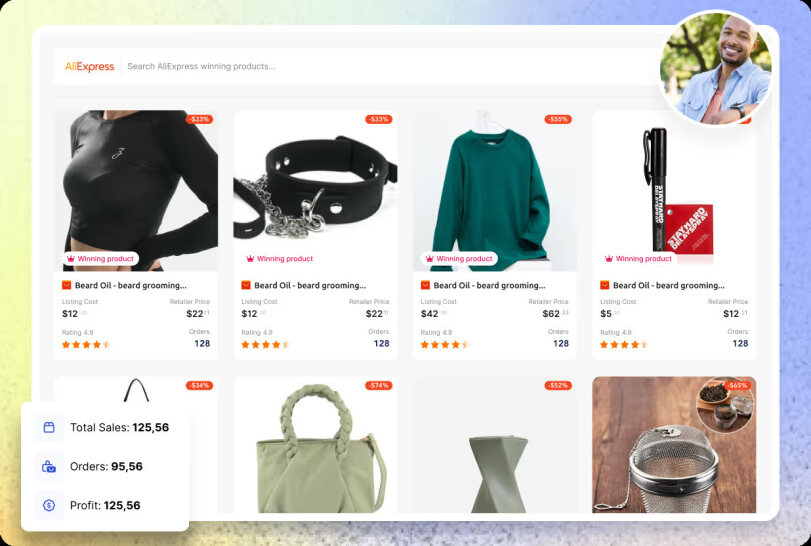
DropGenius typically includes tools for identifying and importing products from third-party suppliers. These products can be added directly to the store, often with pre-filled descriptions, images, and pricing suggestions.
The integration of product sourcing into the same environment minimizes the need for external research tools.
AI-Assisted Product Selection
Some implementations of DropGenius incorporate algorithmic or AI-driven recommendations. These systems analyze trends, demand signals, or supplier data to suggest products that may perform well in the market.
While not predictive in a guaranteed sense, such features aim to support decision-making by narrowing down product choices.
Pre-Designed Store Layouts
Instead of requiring users to design storefronts from scratch, DropGenius often provides templates optimized for general usability. These layouts are structured to accommodate product listings, navigation, and basic branding elements.
Templates can help maintain consistency and usability, particularly for users unfamiliar with design principles.
Supplier and Fulfillment Connectivity
The platform may connect directly with supplier networks, enabling order forwarding and fulfillment tracking. This reduces the need for manual coordination between store owners and suppliers.
Such integration is central to the dropshipping model, where fulfillment logistics are handled externally.
Pricing and Margin Tools
DropGenius may include features that assist with pricing decisions, such as automatic markup calculations or margin estimations. These tools are intended to help users maintain profitability while remaining competitive.
Dashboard and Analytics
Basic analytics tools may be available to track store performance, including sales data, order volume, and customer activity. While not as advanced as dedicated analytics platforms, these features provide a foundational overview of operations.
Common Use Cases
Entry-Level E-Commerce Entrepreneurs
Individuals entering the e-commerce space often face technical and logistical barriers. DropGenius can be used to reduce setup complexity, making it easier to establish an initial store.
Side Projects and Experimental Stores
Some users employ platforms like DropGenius to test niche markets or product categories without committing extensive resources. The ability to deploy stores quickly supports experimentation.
Small-Scale Retail Operations
For small businesses looking to expand into online retail without investing heavily in infrastructure, DropGenius offers a simplified entry point.
Educational and Learning Purposes
Students and learners exploring e-commerce concepts may use such tools to understand workflows like product sourcing, pricing, and order fulfillment.
Multi-Store Management
Users managing multiple niche stores may use automation tools to reduce repetitive tasks associated with launching and maintaining each store.
Potential Advantages
Reduced Technical Barrier
DropGenius minimizes the need for coding or advanced web development skills. This allows a broader range of users to participate in e-commerce.
Time Efficiency
Automated processes significantly shorten the time required to launch a store. Tasks that would otherwise take days or weeks can be completed in a shorter timeframe.
Centralized Workflow
By combining store creation, product sourcing, and management tools, DropGenius reduces reliance on multiple platforms.
Scalability Support
Automation can support scaling efforts by handling repetitive tasks such as product imports and order routing.
Accessibility for Beginners
The structured environment and guided setup make it easier for newcomers to understand the mechanics of dropshipping.
Limitations & Considerations
Limited Customization
Automated store builders often rely on templates, which may restrict design flexibility. Users seeking highly customized branding may find these limitations restrictive.
Dependence on Suppliers
As with all dropshipping models, store performance is tied to supplier reliability. Delays, quality issues, or stock shortages can impact customer experience.
Competitive Product Selection
AI-assisted or pre-selected products may also be accessible to other users, potentially increasing competition within the same product niches.
Learning Curve in Strategy
While technical setup is simplified, strategic elements such as marketing, customer acquisition, and retention still require independent effort and knowledge.
Platform Dependency
Relying heavily on a single platform can create dependency risks, particularly if features change or integration limitations arise.
Data Depth Limitations
Built-in analytics may not provide the depth required for advanced decision-making, necessitating external tools for comprehensive insights.
Who Should Consider DropGenius
DropGenius may be relevant for:
- Beginners exploring dropshipping as a business model
- Individuals seeking a simplified store setup process
- Users interested in testing product ideas quickly
- Small-scale operators with limited technical resources
- Learners studying e-commerce systems and workflows
It is particularly suited for those prioritizing ease of use and speed over extensive customization.
Who May Want to Avoid It
Certain users may find DropGenius less suitable:
- Experienced e-commerce professionals requiring full design control
- Businesses focused on strong brand differentiation
- Users needing advanced analytics and reporting tools
- Operators with established supplier networks and custom workflows
- Developers seeking highly flexible, custom-built solutions
For these groups, more customizable or specialized platforms may be more appropriate.
Comparison With Similar Tools
Versus Traditional Store Builders
Traditional e-commerce platforms often provide greater customization but require more manual setup. DropGenius emphasizes automation and ease of use, making it more accessible but potentially less flexible.
Versus Product Research Tools
Dedicated product research tools focus deeply on market analysis and trend identification. DropGenius integrates basic research features but may not match the analytical depth of specialized tools.
Versus Full-Service E-Commerce Platforms
Comprehensive platforms often include advanced marketing tools, analytics, and integrations. DropGenius focuses primarily on store creation and dropshipping workflows rather than full-scale business management.
Versus Manual Dropshipping Setup
Manual setups involve separate tools for store building, supplier sourcing, and order management. DropGenius consolidates these processes, reducing complexity but also limiting granular control.
Final Educational Summary
DropGenius represents a segment of e-commerce tools designed to simplify the process of launching and managing dropshipping stores. By combining automation, product sourcing, and store creation into a single platform, it addresses common entry barriers faced by new online sellers.
However, its strengths in accessibility and efficiency come with trade-offs, particularly in customization and strategic flexibility. Like many automation tools, it is most effective when used as part of a broader understanding of e-commerce principles rather than as a standalone solution.
Evaluating DropGenius requires considering both operational convenience and long-term business goals. For users prioritizing speed and simplicity, it offers a structured pathway into online retail. For those requiring deeper control and differentiation, alternative approaches may be more appropriate.
Disclosure: This article is for educational and informational purposes only. Some links on this website may be affiliate links, but this does not influence our editorial content or evaluations.
