
Introduction
The rapid growth of digital businesses, independent creators, and online services has intensified the demand for visual identity. A logo, often the first recognizable element of a brand, plays a central role in communication, differentiation, and recall. However, traditional logo design has historically required access to professional designers, design agencies, or specialized software, all of which can involve time, cost, and technical expertise.
This gap has contributed to the emergence of AI-powered logo design tools. These platforms aim to simplify the process of creating brand visuals by automating design decisions through algorithms, templates, and user input. Such tools are part of a broader category of AI design generators, which combine machine learning with user-friendly interfaces to lower the barrier to entry in creative production.
Within this category, Logome has positioned itself as an automated logo creation platform that integrates branding elements with a simplified workflow. Understanding how such tools function, where they are applicable, and their limitations is important for users evaluating digital design solutions.
What Is Logome?
Logome is an AI-based logo design tool that enables users to generate logos and related branding materials using automated design systems. It falls under the category of AI graphic design software, specifically focusing on logo generation and brand identity creation.
The platform typically operates by asking users to input basic information such as a company name, industry, and stylistic preferences. Based on this input, Logome’s algorithm generates multiple logo variations. These designs often incorporate predefined templates, font combinations, and icon libraries.
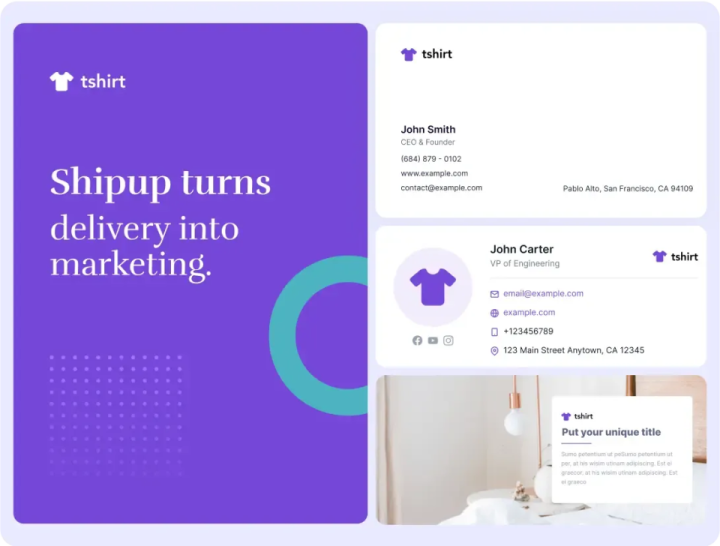
In addition to logo generation, Logome may provide extended branding assets such as business card layouts, social media visuals, and basic brand kits. This positions it as more than a standalone logo generator, aligning it with broader branding tool ecosystems.
Key Features Explained
AI-Based Logo Generation
At the core of Logome is its automated design engine. By processing user inputs, the system produces logo variations without requiring manual design skills. This feature is typical of AI logo generators and relies on pattern recognition from existing design datasets.
Template-Driven Customization
Users can modify generated logos through template editing tools. These often include adjustments to:
- Font styles
- Color schemes
- Icon placement
- Layout structures
While customization is available, it generally operates within predefined constraints rather than offering full creative freedom.
Brand Kit Creation
Logome extends beyond logo creation by offering a basic brand kit. This may include:
- Coordinated typography
- Color palettes
- Social media templates
- Stationery mockups
Such features aim to maintain visual consistency across multiple platforms.
Industry-Based Design Suggestions
The tool often categorizes design styles based on industry inputs. For example, a technology-related query might yield minimalist, modern logos, while a retail-related input could produce more vibrant and illustrative designs.
Cloud-Based Accessibility
Being a web-based platform, Logome allows users to access their designs without installing software. This aligns with the broader trend of SaaS design tools, enabling cross-device usability.
Common Use Cases
Startup Branding
Early-stage startups frequently require quick visual identity solutions. Logome is often used to generate initial branding assets before investing in more customized design work.
Freelancers and Independent Creators
Individuals managing personal brands, such as content creators or consultants, may use Logome to produce simple logos that align with their niche.
Small Business Identity Design
Local businesses, including retail shops and service providers, may use AI logo makers to create branding materials without hiring professional designers.
Prototype and Concept Development
Designers and agencies may use tools like Logome for rapid prototyping. This allows them to explore multiple visual directions before refining a final concept.
Educational and Learning Purposes
Students and beginners in graphic design may use such platforms to understand layout, typography, and color combinations in a structured environment.
Potential Advantages
Reduced Time Requirements
One of the primary advantages of Logome is the speed of output. Logo variations can be generated within minutes, which contrasts with traditional design workflows that may take days or weeks.
Accessibility for Non-Designers
The interface is typically designed for users without prior design experience. This democratizes access to branding tools and enables broader participation in visual content creation.
Cost Efficiency
Compared to hiring professional designers or agencies, AI logo generators generally involve lower upfront costs. This makes them relevant for users operating with limited budgets.
Consistency Across Assets
The inclusion of brand kits helps maintain uniformity across different branding elements. This is particularly useful for users managing multiple platforms or communication channels.
Iterative Experimentation
Users can generate multiple logo variations and experiment with different styles quickly. This supports exploratory design without significant resource investment.
Limitations & Considerations
Limited Originality
AI-generated logos often rely on existing templates and design patterns. As a result, there is a possibility of visual similarity between outputs, especially within the same industry category.
Restricted Customization Depth
Although editing tools are available, they typically do not match the flexibility of professional design software. Advanced customization, such as custom illustrations or unique typography, may be limited.
Dependency on Input Quality
The quality of generated logos depends heavily on the accuracy and clarity of user input. Vague or inconsistent inputs may lead to less relevant design outputs.
Branding Depth Constraints
While Logome provides basic brand kits, it may not offer the depth required for comprehensive brand strategy development, such as storytelling, positioning, or audience analysis.
Intellectual Property Considerations
Users should be aware of licensing terms and originality concerns when using AI-generated designs. Ensuring that a logo does not closely resemble existing trademarks is an important step.
Who Should Consider Logome
Early-Stage Entrepreneurs
Individuals launching new ventures may find Logome useful for creating initial branding assets quickly.
Budget-Conscious Users
Those who cannot allocate significant resources to professional design services may explore AI logo tools as an alternative.
Non-Technical Users
People without design software experience may benefit from the simplified interface and guided workflow.
Content Creators and Influencers
Personal branding efforts often require logos for social media profiles, thumbnails, or merchandise. Logome can support these basic needs.
Who May Want to Avoid It
Established Brands
Organizations with established market presence often require highly customized branding strategies, which may exceed the capabilities of automated tools.
Professional Designers Seeking Full Control
Designers who require precise control over every visual element may find template-based systems restrictive.
Businesses in Competitive Visual Markets
Industries where differentiation is heavily dependent on unique design—such as luxury brands or creative agencies—may prefer bespoke design solutions.
Users Requiring Legal Assurance
Those needing strong guarantees regarding trademark uniqueness and intellectual property protection may require additional verification beyond AI-generated outputs.
Comparison With Similar Tools
The AI logo design space includes several platforms that share functional similarities with Logome. These include tools such as Looka, Tailor Brands, and Canva’s logo generator.
Logome vs Looka
Looka emphasizes brand kits and marketing assets alongside logo creation. While both platforms use AI, Looka often integrates additional branding services, whereas Logome focuses on streamlined logo generation and basic brand identity.
Logome vs Tailor Brands
Tailor Brands extends into business formation services and brand management tools. Logome remains more narrowly focused on design generation rather than operational business support.
Logome vs Canva Logo Maker
Canva offers broader design capabilities beyond logos, including presentations and social media graphics. In contrast, Logome is more specialized in automated logo creation with integrated brand kits.
Differentiation Factors
Key differences among these tools typically include:
- Depth of customization
- Range of branding assets
- Pricing structures
- Integration with other services
Logome’s positioning appears centered on simplicity and rapid generation rather than comprehensive design ecosystems.
Final Educational Summary
Logome represents a segment of AI-driven design tools aimed at simplifying the process of creating logos and basic branding materials. By combining automated design generation with template-based customization, it addresses the needs of users seeking quick and accessible visual identity solutions.
The platform’s strengths lie in its ease of use, time efficiency, and ability to produce multiple design variations with minimal input. These characteristics make it relevant for startups, freelancers, and individuals exploring branding without extensive resources.
However, limitations related to originality, customization depth, and strategic branding scope highlight the importance of understanding its role as a supplementary tool rather than a complete design solution. For users requiring unique, high-level branding or detailed creative control, traditional design processes may still be more appropriate.
In the broader context of AI design tools, Logome reflects the ongoing shift toward automation in creative workflows. Its functionality illustrates how technology can streamline certain aspects of design while also emphasizing the continued relevance of human creativity and strategic thinking.
Disclosure: This article is for educational and informational purposes only. Some links on this website may be affiliate links, but this does not influence our editorial content or evaluations.
