
Introduction
Digital marketing environments rely heavily on specialized software tools that help organizations manage online campaigns, measure engagement, and optimize conversion pathways. Among these tools, landing page builders have emerged as a distinct category designed to support focused marketing experiences separate from traditional websites.
The need for dedicated landing page platforms grew as digital advertising became more sophisticated. Paid traffic sources—such as search advertising, social media promotions, and display networks—require highly targeted pages tailored to specific audiences and campaign goals. Traditional website builders often lack the flexibility required for rapid campaign testing, audience segmentation, and performance tracking.
To address these needs, several software platforms now provide specialized tools for designing, publishing, and analyzing landing pages. These tools often combine visual page editing, campaign management, analytics integration, and experimentation features within a single environment.
One such platform operating in this category is Instapage. The following article examines the platform from an educational perspective, focusing on its functionality, typical use cases, and practical considerations within the broader context of landing page technology.
What Is Instapage?
Instapage is a cloud-based landing page platform designed to help organizations create standalone web pages intended for marketing campaigns. Unlike general website builders that support multi-page sites and navigation structures, landing page tools concentrate on pages built for a specific objective, such as collecting leads, promoting a product, or encouraging event registrations.
Within the software ecosystem, Instapage is typically categorized as:
- Landing page builder software
- Conversion optimization platform
- Digital campaign experience tool
- Marketing experimentation environment
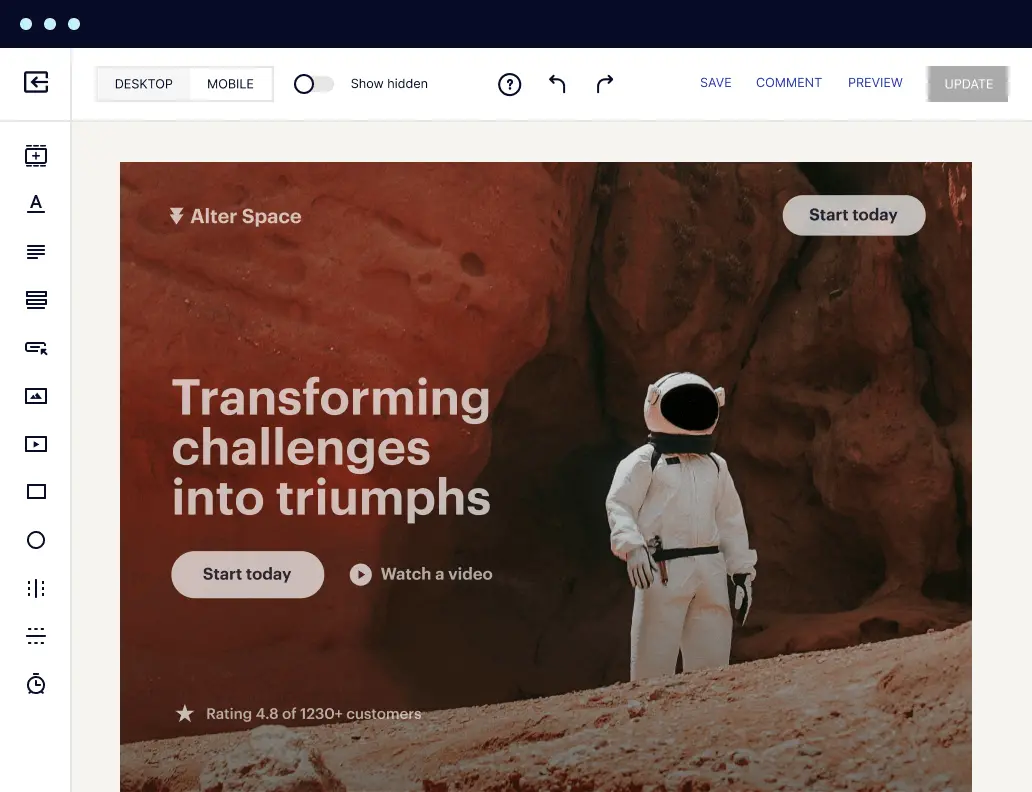
The platform enables users to design pages using a visual interface rather than traditional web development workflows. Elements such as text blocks, images, forms, buttons, and videos can be placed within a page layout through drag-and-drop editing.
In addition to design capabilities, the platform includes features related to page publishing, visitor analytics, and performance experimentation. These components allow teams to measure how different page variations perform across traffic sources.
Because of this combination of design and measurement features, landing page tools like Instapage often sit between website management systems and advertising platforms within a marketing technology stack.
Key Features Explained
Landing page platforms generally include a range of tools intended to simplify the creation and evaluation of campaign pages. Instapage includes several notable feature areas that reflect common practices in this software category.
Visual Page Editor
A central component of the platform is its visual editing environment. Instead of writing HTML or CSS code, users interact with page elements directly within a graphical interface.
The editor allows users to:
- Add sections and layout blocks
- Insert media elements such as images and videos
- Create forms for collecting user data
- Adjust spacing, alignment, and typography
Design changes are typically reflected immediately within the editor, allowing users to preview how a page might appear before publishing.
Template Library
Landing page platforms often provide template collections intended to help users start with predefined layouts. Templates usually reflect common campaign goals, including:
- Lead generation pages
- Webinar registration pages
- Product promotion pages
- Event announcements
- email list sign-up pages
Templates serve primarily as structural starting points. Users may adjust design elements, messaging, or page components according to campaign requirements.
A/B Testing Capabilities
One feature commonly associated with landing page platforms is experimentation. Instapage allows users to create multiple versions of a page in order to compare performance.
A typical A/B test may involve variations in:
- Headlines
- images
- call-to-action placement
- form length
- page layout structure
Visitor traffic can be divided between page versions, allowing teams to analyze differences in conversion behavior.
Collaboration Tools
Marketing campaigns often involve multiple stakeholders, including designers, marketers, and content editors. The platform includes collaborative features that allow team members to review or comment on page designs before publishing.
Collaboration systems can help reduce communication gaps between departments responsible for design, marketing strategy, and technical implementation.
Analytics Integration
Landing page tools generally rely on analytics data to evaluate campaign effectiveness. Instapage can connect with external analytics platforms as well as internal reporting dashboards.
Performance metrics commonly tracked include:
- page views
- conversion rates
- form submissions
- visitor engagement metrics
These measurements help organizations understand how users interact with campaign pages.
Page Publishing Options
Once a page design is complete, it must be made available to visitors through a hosting or publishing system. Instapage allows pages to be published through several methods, including:
- custom domains
- content management system integrations
- embedded page hosting environments
These publishing options enable organizations to maintain consistency with their existing website infrastructure.
Common Use Cases
Landing page platforms support a range of digital marketing activities. Instapage is frequently used in contexts where organizations need targeted campaign pages separate from their main website.
Paid Advertising Campaigns
Digital advertising campaigns often require customized pages that align closely with ad messaging. Instead of directing traffic to a general website homepage, advertisers can direct users to a dedicated landing page tailored to a specific campaign.
Such pages may include:
- product promotions
- service inquiries
- promotional offers
- limited-time campaigns
Lead Generation
Many businesses use landing pages to collect visitor information for follow-up communication. Lead generation pages typically include forms where visitors submit details such as email addresses or company information.
Collected leads may then be managed within customer relationship management systems.
Event Registration
Organizations hosting webinars, workshops, or conferences often rely on landing pages to gather participant registrations. These pages provide event details while capturing registration data through form submissions.
Product Announcements
Companies launching new products sometimes create standalone promotional pages designed to highlight specific product features, pricing information, or demonstration materials.
These pages may be used in combination with email campaigns or advertising initiatives.
Campaign Experimentation
Marketing teams frequently test different messaging strategies or design layouts. Landing page software enables these experiments by allowing multiple versions of a page to run simultaneously.
Potential Advantages
Several characteristics of landing page platforms may provide practical benefits for organizations managing digital campaigns.
Rapid Page Creation
Visual editing tools can significantly reduce the time required to build and modify pages. Users without extensive coding experience may still produce functional landing pages.
Focused Conversion Design
Landing pages differ from traditional web pages because they typically focus on a single objective. By minimizing navigation options and distractions, these pages may help clarify the intended visitor action.
Integrated Testing Environment
Experimentation tools allow teams to compare design variations using measurable data rather than assumptions. This approach can contribute to more evidence-based decision making.
Campaign Flexibility
Because landing pages exist independently from a main website structure, they can be created or removed as campaigns evolve. This flexibility is particularly useful for short-term marketing initiatives.
Cross-Team Collaboration
Platforms with shared editing and commenting tools enable marketing, design, and analytics teams to coordinate more effectively during campaign development.
Limitations & Considerations
Despite their advantages, landing page platforms also present certain practical limitations that organizations should evaluate before adopting them.
Platform Dependence
Because landing page builders operate within proprietary environments, users rely on the platform’s infrastructure and feature availability. Migrating designs to other systems may require additional adjustments.
Cost Structure
Specialized marketing software may involve subscription pricing. Organizations must evaluate whether the platform’s features align with their marketing scale and budget considerations.
Learning Curve
Although visual editors simplify page creation, teams still need time to understand layout controls, testing workflows, and analytics interpretation.
Integration Complexity
Connecting landing page platforms with external tools—such as email marketing software, advertising networks, or customer databases—may require configuration work.
Overlapping Tools
Some website builders and marketing automation systems already include landing page functionality. Organizations should assess whether a dedicated platform provides additional value beyond existing tools.
Who Should Consider InstaPage
Landing page platforms are most relevant for organizations that regularly run digital marketing campaigns requiring targeted pages and measurable conversion pathways.
Typical users include:
- digital marketing teams managing advertising campaigns
- marketing agencies supporting multiple client campaigns
- SaaS companies conducting product trials or demos
- e-commerce businesses promoting seasonal offers
- event organizers managing registrations
Organizations with frequent campaign testing requirements may particularly benefit from platforms that provide integrated experimentation features.
Who May Want to Avoid It
Not every organization requires specialized landing page software. Certain scenarios may make other tools more appropriate.
Examples include:
Small organizations that primarily maintain informational websites may find a general website builder sufficient.
Companies with strong internal web development teams might prefer building custom landing pages directly within their existing website infrastructure.
Organizations that rarely run paid marketing campaigns may also have limited need for dedicated landing page platforms.
Comparison With Similar Tools
Instapage operates within a broader ecosystem of landing page builders and marketing optimization tools. Several platforms offer overlapping functionality in this category.
Common alternatives include:
- dedicated landing page builders
- website builders with integrated campaign page features
- marketing automation platforms with landing page modules
Key differences between tools in this category often involve:
- editor flexibility
- testing capabilities
- analytics integrations
- collaboration features
- publishing infrastructure
Some platforms emphasize ease of use and template design, while others focus on advanced experimentation or enterprise-level marketing workflows.
Organizations evaluating landing page software typically compare these factors alongside pricing models and integration compatibility with existing marketing systems.
Final Educational Summary
Landing page platforms have become an established component of digital marketing technology. Their primary purpose is to provide focused environments for designing campaign-specific pages, measuring user interactions, and conducting experimentation to evaluate performance.
Instapage represents one example of this software category. The platform combines visual page editing, template systems, testing capabilities, and analytics integration within a cloud-based interface.
These tools can support marketing teams working with paid advertising, lead generation initiatives, product promotions, and event registrations. At the same time, organizations must weigh factors such as cost, integration complexity, and overlap with existing tools before selecting a dedicated landing page platform.
Understanding how landing page software fits within the broader marketing technology ecosystem can help teams determine whether such tools align with their operational requirements and campaign strategies.
Disclosure
Disclosure: This article is for educational and informational purposes only. Some links on this website may be affiliate links, but this does not influence our editorial content or evaluations.
