
Introduction
Digital businesses rely heavily on measurable user actions. Whether the goal is completing a purchase, submitting a form, downloading a document, or subscribing to a service, these measurable actions are commonly described as conversions. As online ecosystems expanded, organizations increasingly needed ways to observe how visitors interact with websites, marketing campaigns, and landing pages.
The broader field addressing this need is known as conversion optimization and analytics. Tools in this category collect behavioral data, track user journeys, measure campaign performance, and help organizations understand which elements influence user decisions.
However, interpreting digital behavior is not straightforward. Website traffic alone does not reveal why users abandon a page, ignore calls to action, or disengage from a checkout flow. To bridge this gap, specialized analytics platforms emerged to provide deeper insights into visitor activity, funnel performance, and engagement patterns.
Conversion Wax belongs to this category of conversion tracking and optimization platforms. Its purpose is to help organizations observe how digital interactions translate into measurable outcomes and to provide data that can inform website improvements and marketing strategies.
This article examines Conversion Wax from an educational and analytical perspective, focusing on its features, common applications, limitations, and role within the broader ecosystem of conversion rate optimization tools.
What Is Conversion Wax?
Conversion Wax is a conversion analytics and marketing performance monitoring platform designed to track user behavior and measure conversion-related activity across digital properties. Tools in this space typically gather data about how visitors move through a website, how marketing campaigns contribute to conversions, and where friction may exist in the user journey.
At a basic level, platforms like Conversion Wax operate by collecting event-based data. This may include actions such as:
- Page visits
- Button clicks
- Form submissions
- Scroll activity
- Checkout steps
- Landing page engagement
By organizing these events into structured datasets, the platform allows analysts, marketers, and website administrators to examine conversion funnels, visitor behavior, and campaign effectiveness.
Within the broader landscape of marketing technology, Conversion Wax can be classified under several overlapping categories:
- Conversion tracking software
- Website analytics platforms
- Marketing attribution tools
- Conversion rate optimization (CRO) software
These systems aim to transform raw behavioral data into information that supports decision-making about website design, digital marketing campaigns, and user experience improvements.
Key Features Explained
Conversion Wax incorporates several functional components commonly associated with conversion optimization platforms. While implementation details vary across software systems, the following features typically define how such tools operate.
Conversion Tracking Mechanisms
A fundamental capability of Conversion Wax is the ability to track defined conversion events. A conversion event represents a meaningful action performed by a website visitor.
Examples may include:
- Completing a checkout process
- Signing up for a newsletter
- Registering for a webinar
- Submitting a contact form
Tracking these events allows organizations to measure conversion rates across different traffic sources, marketing channels, and landing pages.
Funnel Analysis
Conversion funnels describe the sequence of steps users follow before completing a target action. Funnel analysis tools within Conversion Wax organize visitor behavior into stages.
A typical example might involve:
- Landing page visit
- Product page view
- Add-to-cart action
- Checkout initiation
- Order completion
By visualizing how users move through these stages, analysts can identify where drop-offs occur and which parts of the user journey may require adjustments.
User Behavior Insights
Another core element of conversion analytics platforms is behavioral observation. Conversion Wax gathers interaction data that can help explain how users navigate a site.
This may include metrics such as:
- Time spent on pages
- Interaction frequency with interface elements
- Navigation paths across pages
- Scroll depth
Such behavioral signals can assist analysts in understanding how page structure, layout, and content influence user engagement.
Campaign Attribution Tracking
Digital marketing typically involves multiple channels, including search engines, social media, email campaigns, and paid advertising. Attribution tracking connects conversions to the marketing sources that influenced them.
Conversion Wax may categorize incoming traffic through parameters associated with campaigns, enabling analysts to compare performance across channels such as:
- Organic search traffic
- Paid advertising campaigns
- Email marketing
- Social media referrals
This allows organizations to evaluate how different marketing strategies contribute to conversion outcomes.
Data Reporting and Analytics Dashboards
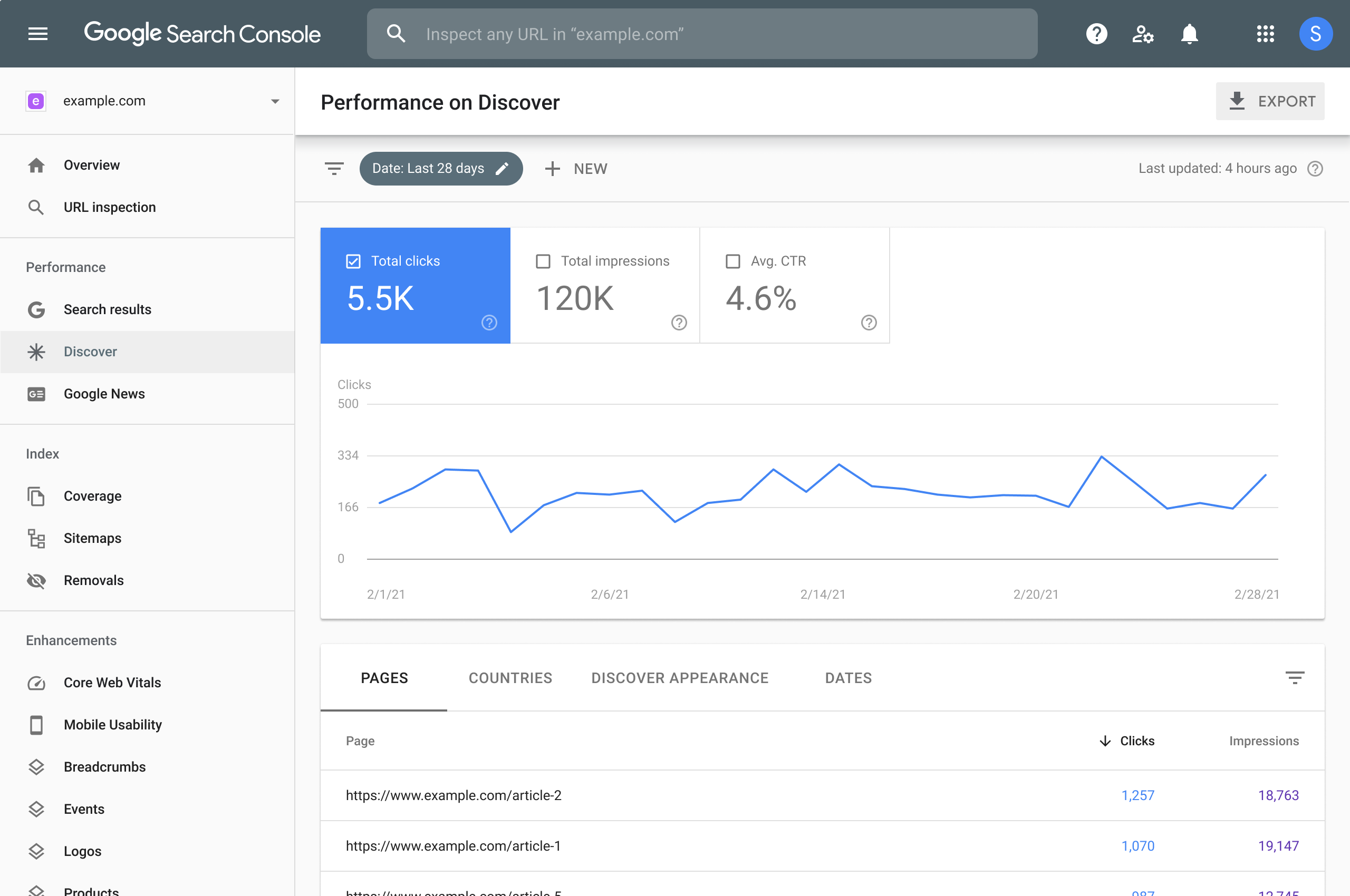
Data collected through event tracking and attribution systems is typically presented through dashboards or reporting interfaces. Conversion Wax organizes information into visual summaries that may include:
- Conversion rate metrics
- Traffic source breakdowns
- Funnel completion rates
- Campaign performance comparisons
These reporting tools are intended to assist analysts in interpreting complex datasets without requiring manual aggregation.
Integration With Digital Marketing Systems
Conversion analytics platforms often integrate with external services such as:
- Content management systems
- Advertising platforms
- customer relationship management software
- marketing automation systems
These integrations enable data exchange between platforms, allowing organizations to align conversion insights with broader marketing and sales operations.
Common Use Cases
Conversion Wax can be applied across multiple digital environments where measurable user actions occur. While implementations vary depending on industry and organizational structure, several common use cases appear frequently.
Website Conversion Rate Optimization
One of the most common uses involves conversion rate optimization (CRO). Organizations examine behavioral data to understand how website design affects conversion outcomes.
Examples include evaluating:
- Landing page layout
- Form length and structure
- product presentation
- checkout process complexity
Data collected through platforms like Conversion Wax may guide design adjustments aimed at improving user experience.
Digital Marketing Performance Analysis
Marketing teams often rely on conversion tracking tools to evaluate campaign effectiveness. Conversion Wax can help identify which channels generate traffic that results in meaningful engagement or completed conversions.
This information may be used to analyze marketing activities such as:
- paid search campaigns
- social media advertising
- email marketing programs
- affiliate traffic sources
E-commerce Funnel Monitoring
Online retail environments involve multi-step purchasing processes. Conversion analytics platforms provide visibility into each stage of the purchase funnel.
By monitoring these stages, e-commerce teams may observe where potential customers abandon transactions and examine factors contributing to that behavior.
Lead Generation Tracking
Organizations that rely on lead generation—such as service providers, consultants, or software vendors—often track form submissions and inquiries.
Conversion Wax can measure how frequently website visitors submit lead forms and which marketing channels produce the most qualified inquiries.
Content Engagement Analysis
Some organizations use conversion analytics to evaluate how informational content influences user behavior. For instance, analysts may examine whether visitors who read educational articles later perform actions such as subscribing to updates or downloading resources.
Potential Advantages
Platforms like Conversion Wax may offer several analytical benefits when implemented effectively.
Improved Visibility Into User Behavior
Conversion tracking systems provide structured insights into how visitors interact with digital environments. This visibility helps organizations understand the relationship between user experience and measurable outcomes.
Data-Driven Website Improvements
By identifying areas where users abandon processes or disengage from content, analysts can make informed decisions about design modifications.
Cross-Channel Marketing Evaluation
Attribution tracking allows organizations to compare how different marketing channels contribute to conversions. This can support evaluation of campaign performance across multiple traffic sources.
Structured Reporting for Decision-Making
Dashboards and reports allow stakeholders to monitor conversion trends over time. These structured visualizations simplify the process of interpreting large datasets.
Limitations & Considerations
While conversion analytics tools provide valuable insights, several limitations should be considered.
Data Interpretation Complexity
Collecting behavioral data does not automatically produce clear conclusions. Analysts must interpret patterns carefully to avoid incorrect assumptions about user intent.
Implementation Requirements
Accurate conversion tracking often depends on proper configuration of event tracking systems, tagging frameworks, and integration settings. Incomplete implementation may produce incomplete or misleading datasets.
Privacy and Data Regulations
User behavior tracking involves collecting information about website interactions. Organizations must ensure that their data practices comply with privacy regulations and consent requirements applicable in their jurisdictions.
Dependence on Traffic Volume
Statistical insights from conversion analytics become more reliable when sufficient traffic volume exists. Smaller websites may experience limitations in the interpretability of collected data.
Who Should Consider Wax
Conversion Wax may be relevant to organizations that rely on measurable digital interactions and require structured analytics to understand visitor behavior.
Groups that commonly explore such tools include:
- Digital marketing teams
- E-commerce operators
- growth analysts and CRO specialists
- SaaS companies monitoring sign-up funnels
- publishers tracking subscriber conversions
These users typically require detailed reporting on how website visitors transition from initial visits to completed actions.
Who May Want to Avoid It
Certain organizations may find limited value in conversion analytics platforms depending on their operational context.
Examples include:
- small websites with minimal traffic volume
- projects without defined conversion events
- organizations lacking resources for data analysis
- static informational websites with no measurable user actions
In such environments, basic traffic analytics tools may provide sufficient insight without the complexity associated with full conversion tracking platforms.
Comparison With Similar Tools
Conversion Wax exists within a crowded ecosystem of website analytics and conversion optimization platforms. Comparable tools typically provide overlapping capabilities, though implementation approaches vary.
General Website Analytics Platforms
Some analytics systems focus primarily on traffic measurement and page performance metrics. These platforms emphasize visitor counts, session duration, and page views rather than detailed conversion funnel analysis.
Conversion Rate Optimization Platforms
Other tools specialize specifically in CRO. These systems often include features such as A/B testing, experimentation frameworks, and heatmap visualization in addition to conversion tracking.
Marketing Attribution Platforms
Attribution tools concentrate on identifying which marketing channels contribute to conversions across multiple touchpoints. They may emphasize cross-channel reporting rather than detailed on-site behavioral tracking.
Conversion Wax appears to operate in the intersection of these categories by combining elements of:
- event-based conversion tracking
- marketing attribution analysis
- user behavior observation
Organizations often evaluate such platforms based on integration capabilities, reporting flexibility, and compatibility with existing marketing technology stacks.
Final Educational Summary
Conversion Wax represents a category of digital tools designed to help organizations measure and analyze conversion-related behavior across websites and marketing campaigns. By collecting event data and organizing it into funnels, dashboards, and attribution reports, the platform contributes to a broader understanding of how user interactions translate into measurable outcomes.
Within the digital analytics ecosystem, tools like Conversion Wax play a role in supporting data-informed decision-making about website design, marketing performance, and user experience optimization. Their usefulness depends heavily on proper implementation, sufficient traffic data, and the analytical capacity of the teams interpreting the results.
While conversion analytics platforms can reveal patterns in user behavior, they are most effective when combined with broader research methods such as usability testing, customer feedback, and qualitative analysis. Understanding why users behave in certain ways often requires multiple forms of evidence beyond behavioral metrics alone.
As digital environments continue to evolve, conversion measurement tools remain a core component of modern marketing and analytics infrastructure. Conversion Wax contributes to this ecosystem by providing structured insight into how visitors engage with online platforms and how those interactions relate to defined goals.
Disclosure
This article is for educational and informational purposes only. Some links on this website may be affiliate links, but this does not influence our editorial content or evaluations.
